

 Toute l'actualité
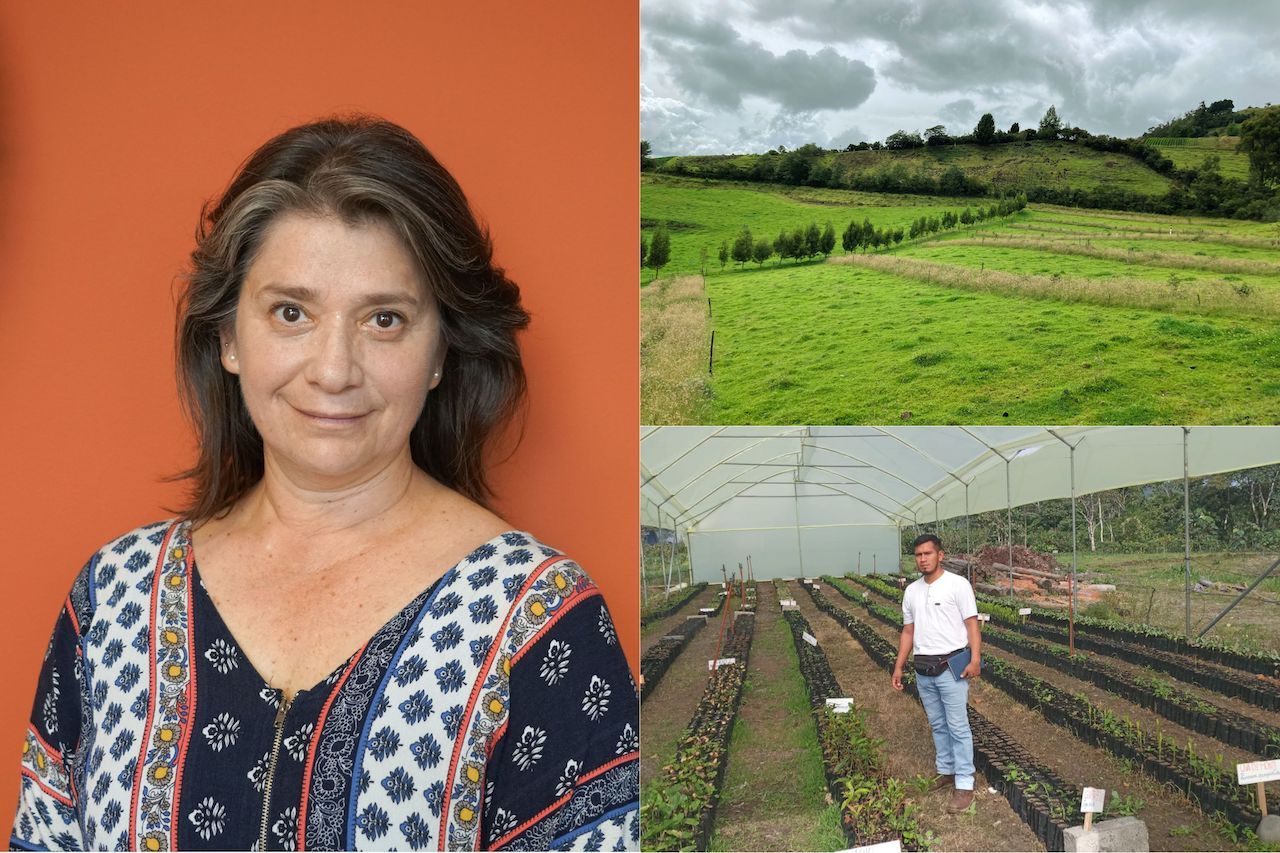
As a strategic aspect of Reforest'Action's international development, our global network of Project Officers allows us to deploy our expertise as close as possible to the areas where we operate and to our local project leaders. Based in Quito, Ecuador, our Project Officer Adriana Burbano is in charge of monitoring Reforest'Action's projects in Ecuador and Colombia and searching for new projects. Interview.
Her commitment to the environment...
For me, being committed to the environment is not just a matter of protecting our planet, but above all of protecting the people who live on it. We live in a world where strong inequalities are apparent between human beings. This is why I use my work with the people of the Ecuadorian Amazon and the Andes Mountains in Colombia to find strategies, solutions and alternatives based on their knowledge, and to improve their ability to maintain the forests and the ecosystem services that come from them.
Her background before Reforest'Action...
I trained in the field of tourism with a degree in ecotourism. I also obtained a master's degree in social sciences with a specialization in environmental studies. During my previous professional experience, I interacted with many actors such as NGOs, governmental institutions and the private sector in order to find solutions to the main threats that can affect the Ecuadorian Amazon region, such as logging, poaching, and the change of land use for infrastructure construction and agribusiness development. On the other hand, I had the opportunity to work with local communities in the Ecuadorian Amazon region to support agroforestry and agroecology processes in order to innovate solutions to the main threats related to climate change impacts.
Her missions and responsibilities for Reforest'Action...
I am responsible for the implementation of forestry projects in Colombia and Ecuador. In concrete terms, this consists of accompanying each stage of the development of these projects and carrying out audit missions to ensure their long-term follow-up. My action in the field allows me to follow the evolution of reforestation and restoration actions through, for example, the verification of nurseries and planted plots. I also support the development of carbon projects.
Her vision of the Amazon forest...
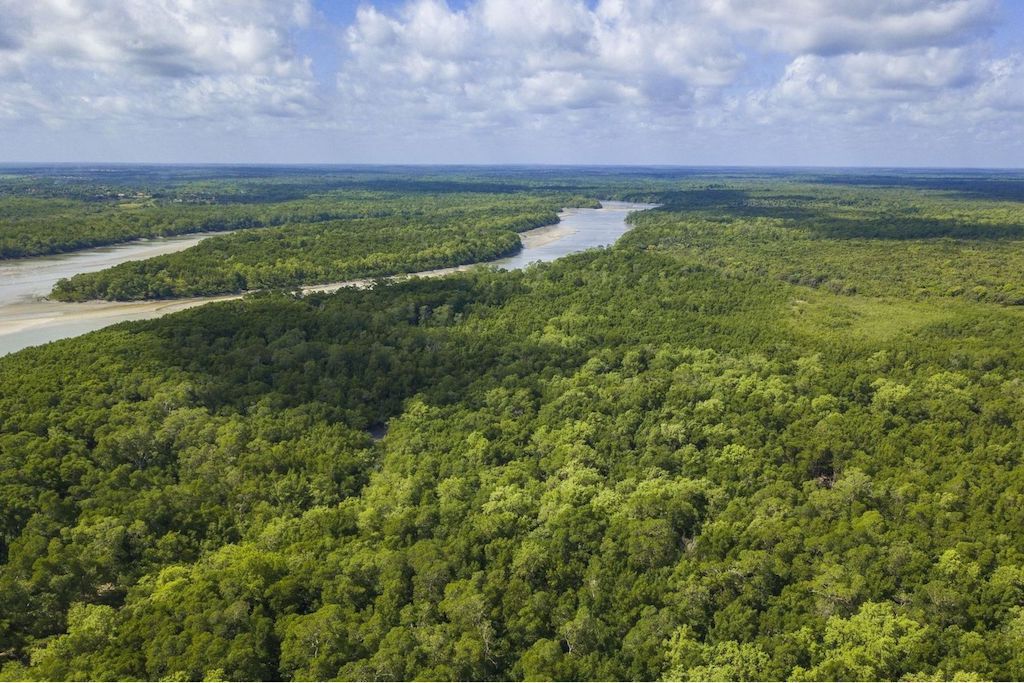
The Amazon rainforest is home to the richest biodiversity of any ecosystem on the planet. The 400 or so new species discovered in the Amazon are rapidly disappearing due to the increasing global demand for resources. The economy, primarily focused on the exploitation of natural resources, minerals and agribusiness, has already resulted in the replacement of about 20% of the original forest cover with pasture and agricultural crops, to the detriment of the well-being of the local population. The forest cover of the Ecuadorian Amazon and its ancestral knowledge are constantly threatened by intensive forest exploitation. Deforestation and forest degradation in the Ecuadorian Amazon are responsible for nearly half of Ecuador's greenhouse gas emissions. The loss of forest cover throughout the region affects the carbon sequestration capacity of trees and the food security of the people, threatening the livelihoods of more than 600,000 indigenous people who live in the region. At the same time, the páramo ecosystem in the Andes is unique in the world. It is named the richest mountain ecosystem in the world because of its biodiversity, and it provides in Colombia more than 60% of the potable water supply in Colombia. This ecosystem is at risk because of climate change and anthropogenic pressure (extension of pastures for dairy selection and potato cultivation).
The forestry projects for which she is responsible...
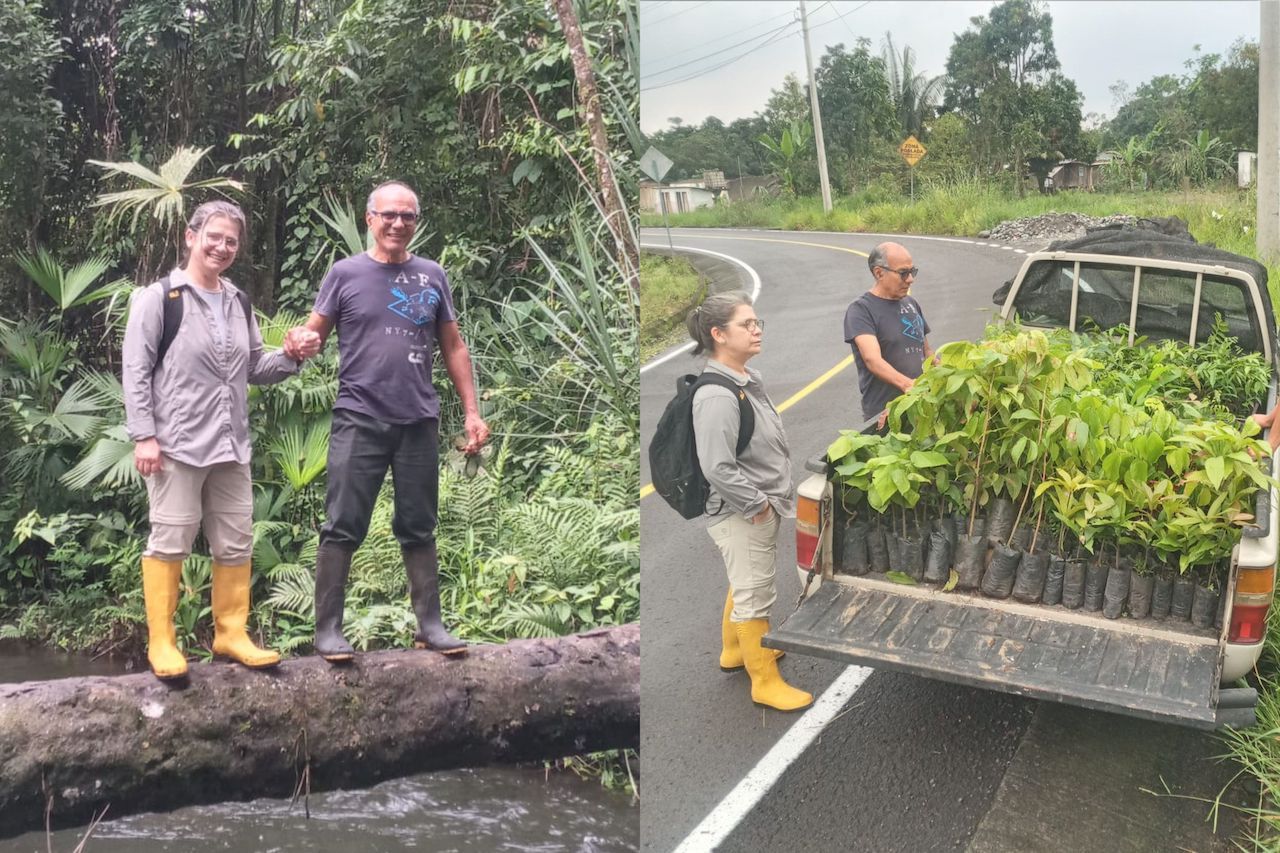
I am in charge of monitoring the Cuencas Sagradas project in Ecuador, where our local partner is helping to restore forest ecosystems, promote natural medicine and traditional and sustainable agroforestry techniques. A total of 300,000 native trees will be planted, including fruit trees and species with high commercial value. I am also in charge of the project led by our partner Impulso Verde in Colombia, which aims to restore more than 340 hectares of degraded forest areas in Alto-Andean and Páramo, through reforestation and silvopastoralism, by planting 550,000 endogenous trees of forty different species.
The added value of her local presence in the supervision of projects...
A very important factor in achieving Reforest'Action's objectives at the local level is to know the cultural, social, political, economic and environmental context. The Ecuadorian Amazon presents a very complex reality in which non-renewable resource extraction projects are considered strategic for the Ecuadorian state. This means that extractive activities such as logging, oil exploitation and mining have caused severe damage to the rainforests and an accelerated process of degradation and land use change. Likewise, the socio-economic conditions of the local and indigenous populations that depend on these resources are increasingly severe and make them vulnerable to these processes. Identifying the context, the indigenous nationalities, their needs and their main commitments to preserve their territory, their ancestral knowledge and culture and, above all, to achieve resilience in the face of climate change, are essential efforts.