


 Toute l'actualité
In West Africa, where agriculture is largely based on smallholder family farms highly dependent on climatic conditions and local resources, restoring degraded agricultural land cannot rely on isolated technical interventions. It requires a profound transformation of both farming practices and ecological balances. It is within this context that the Wawa project, developed by Reforest’Action and APAF in Togo, takes shape. Built on in-depth fieldwork, grounded in the observation of local agricultural practices and continuous dialogue with communities, the project leverages agroforestry as a driver of soil regeneration, production diversification, and increased farm resilience. By combining agronomic expertise with strong local anchoring, it proposes an approach in which ecosystem restoration is intrinsically linked to improving rural livelihoods.
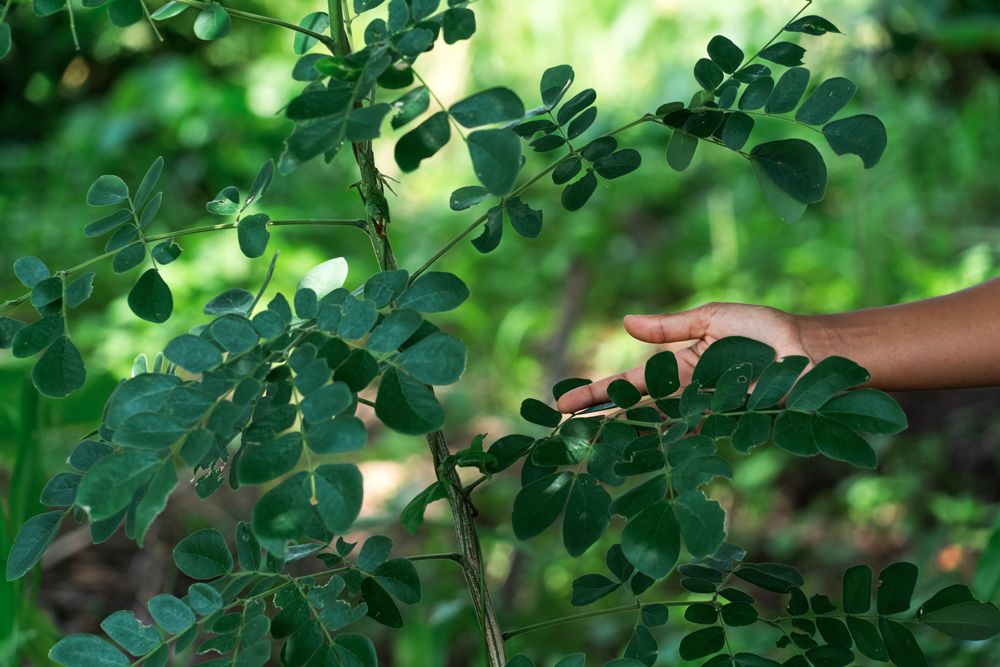
Agricultural systems under increasing pressure
In West Africa, agriculture is a cornerstone of territorial stability. It employs nearly 60% of the workforce and provides the vast majority of food consumption, with local production covering around 90% of caloric intake, according to the French Committee for International Solidarity. This dual economic and food security role places agricultural systems at the heart of rural stability.
However, this central role exists within structurally constrained systems. The agricultural landscape is dominated by small-scale family farms, often under five hectares. This fragmentation limits investment capacity, market access, and the ability to adapt to shocks, while also slowing the large-scale adoption of sustainable practices.
These structural constraints are compounded by the progressive degradation of natural resources. Soils subjected to intensive use cycles or extensive practices such as slash-and-burn agriculture quickly lose fertility. Limited storage and processing infrastructure further exacerbates post-harvest losses and reduces locally captured value. As a result, farmers operate in an environment marked by high economic and social vulnerability.
Climate change intensifies these pressures. Increased rainfall variability, more frequent droughts, and extreme weather events directly affect both subsistence and cash crops. Already under strain, agricultural systems must now contend with growing uncertainty.
In this context, the challenge goes beyond improving yields. It lies in rethinking agricultural systems to ensure their long-term viability, their capacity to absorb shocks, and their ability to maintain both productive and social functions. This transformation requires restoring soils, diversifying production, and reintroducing ecological mechanisms capable of sustaining fertility and resilience.
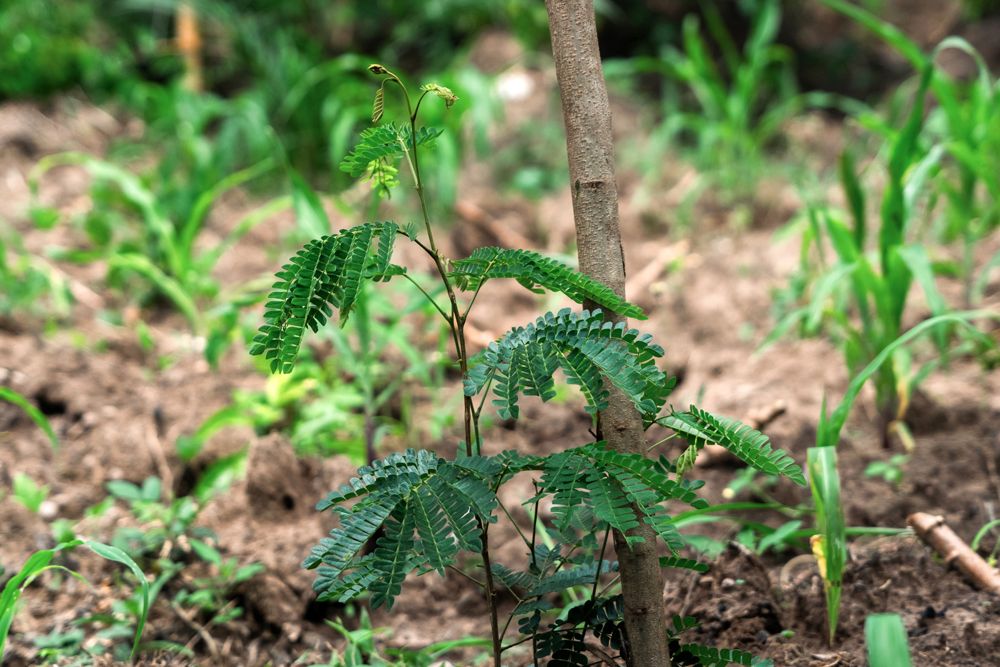
An agroforestry project to address land degradation
Moving beyond soil depletion dynamics
Slash-and-burn agriculture, historically widespread in Togo and within the Wawa project area, is a form of shifting subsistence farming based on alternating cultivation cycles. It involves clearing small forest plots by cutting vegetation and then burning the dried biomass to produce a layer of ash. This ash temporarily enriches the soil, enabling the cultivation of local food crops such as maize, yams, taro, squash, and okra.
Within systems characterized by low land pressure, this practice historically contributed to a certain agronomic balance, particularly when fallow periods allowed sufficient soil and vegetation regeneration. However, current dynamics—population growth, limited access to land, and intensified land use—are significantly reducing these fallow periods.
As a result, the rapid leaching of ash and nutrients, combined with weed invasion, leads to accelerated soil degradation. After two to three cropping cycles, yields decline sharply, forcing farmers to abandon cultivated plots. These lands are then left fallow under conditions that no longer ensure full regeneration before reuse.
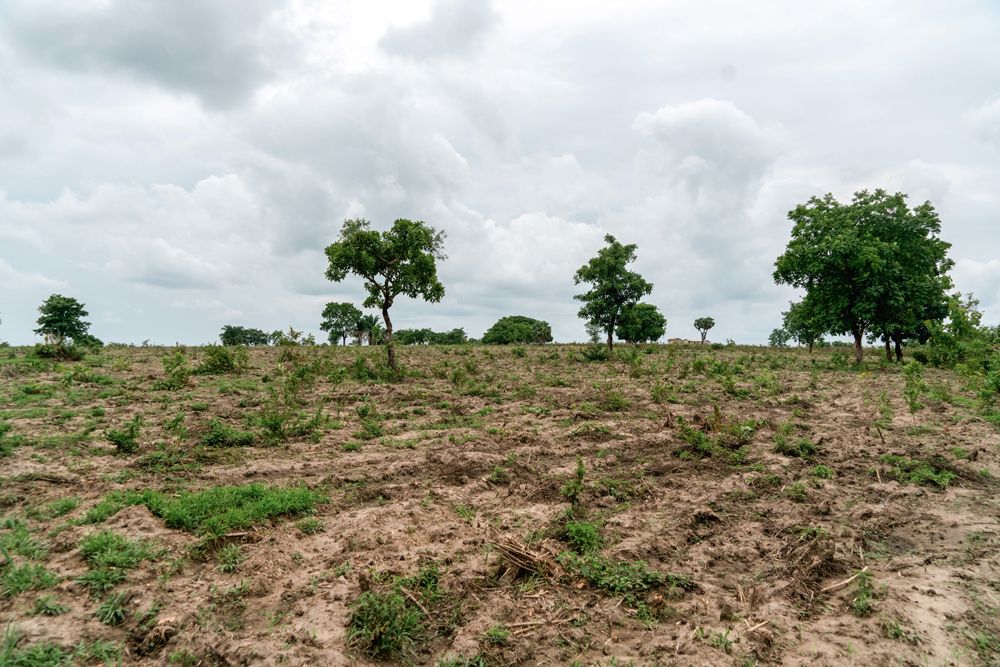
In this context, developing soil fertility strategies based on biological processes—such as agroforestry—rather than fire or chemical inputs has become a key lever for land restoration. More broadly, it is essential to enable communities to access sufficient, healthy, and sustainable agricultural production.
In Togo, the Wawa project embodies this approach. Deployed across 594 hectares through our local partner APAF (Association for the Promotion of Fertilizer Trees), it builds on traditional African agricultural practices, reinterpreting and adapting them to current climatic conditions. The project involves 15 villages across the Wawa, Akébou, and Kloto prefectures, where access to food security and sustainable incomes remains closely tied to the restoration of degraded agricultural land.
Activating biological soil fertility mechanisms
Agroforestry is one of the core pillars of the Wawa project. By integrating trees and crops within the same agricultural plots, it offers a viable alternative to conventional farming systems. It contributes to land restoration, biodiversity conservation, food production, and crop support, while enabling diversification of agricultural systems. In doing so, it strengthens resilience and adaptive capacity in the face of climate change.
The selection of species is critical, and it is precisely here that the project’s approach stands out. Since agricultural productivity depends on the soil’s ability to regenerate its fertility, the project design incorporates species capable of biologically fixing nitrogen—such as Fabaceae—as well as mobilizing and recycling essential nutrients like phosphorus and potassium, while producing significant biomass.
These “fertilizer trees,” as defined by Hugues Dupriez and Philippe De Leener in 1993, do not compete with the food or cash crops grown beneath their canopy. Their value lies in their ability to enrich topsoil layers, improve soil texture, and enhance soil structure.
These natural processes reduce reliance on synthetic nitrogen fertilizers while improving both the quality and quantity of agricultural production.
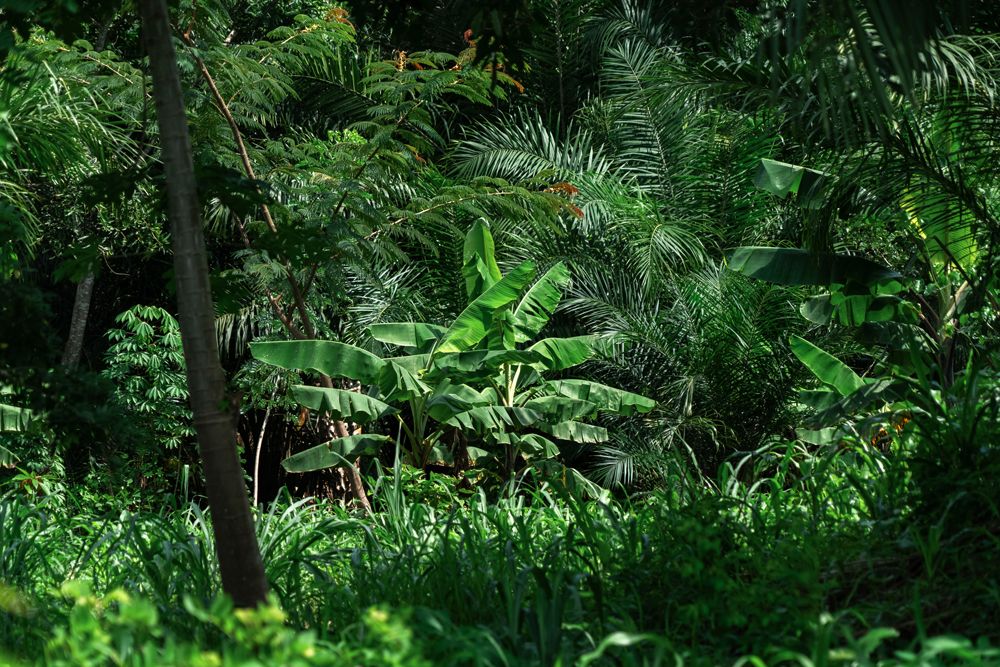
Designing systems adapted to local uses and territories
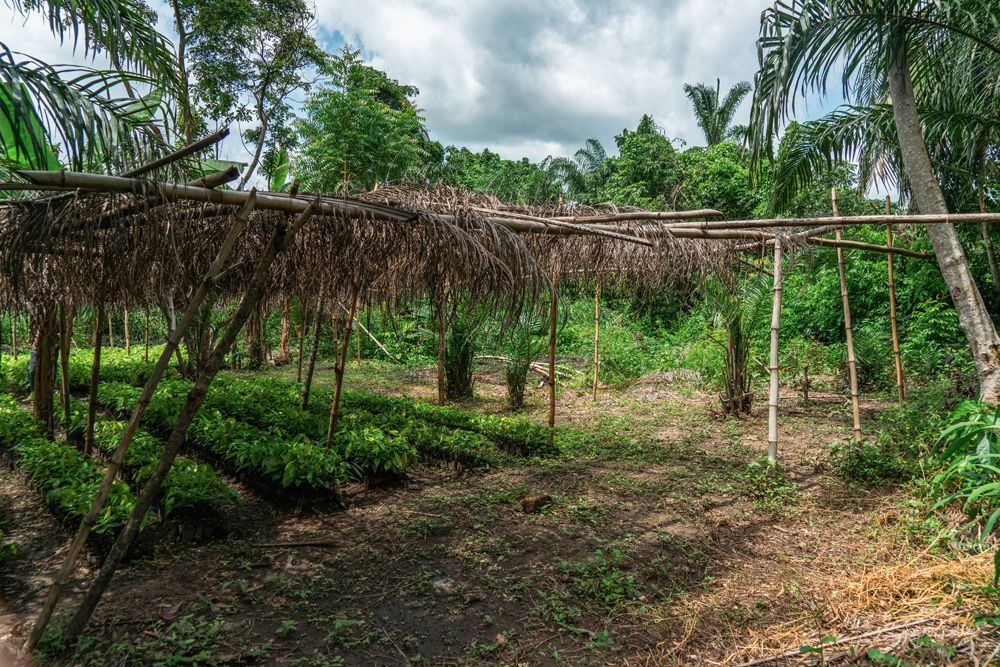
As part of a broader transition in agricultural practices, the project deploys several agroforestry models based on a diversity of species—fertilizer, fruit, and forest trees—tailored to local agricultural uses and ecological dynamics.
In subsistence crop systems (maize, yams, taro, okra), integrating trees helps restore natural resources, strengthen ecological balances, and enhance resilience to climate impacts. Species complementarity supports production diversification, improves nutritional quality, and stabilizes incomes, while reducing dependence on external inputs through natural soil fertilization.
In perennial cash crop systems (cocoa, coffee, cashew), agroforestry plays a key role in regulating growing conditions. Trees provide essential shade and humidity, protect soils from direct sun exposure, and mitigate the effects of drought. When properly managed, shade also contributes to pest regulation by limiting both fungal diseases associated with excessive humidity and insect proliferation linked to the absence of tree cover.
Additionally, the establishment of woodlots on communal or public land—representing around 10% of planted trees—addresses complementary needs. These areas provide timber and fuelwood resources while integrating fruit species for local consumption, supporting both sustainable resource management and community income generation.
Community engagement as a driver of lasting transformation
Farmers’ ownership of practices
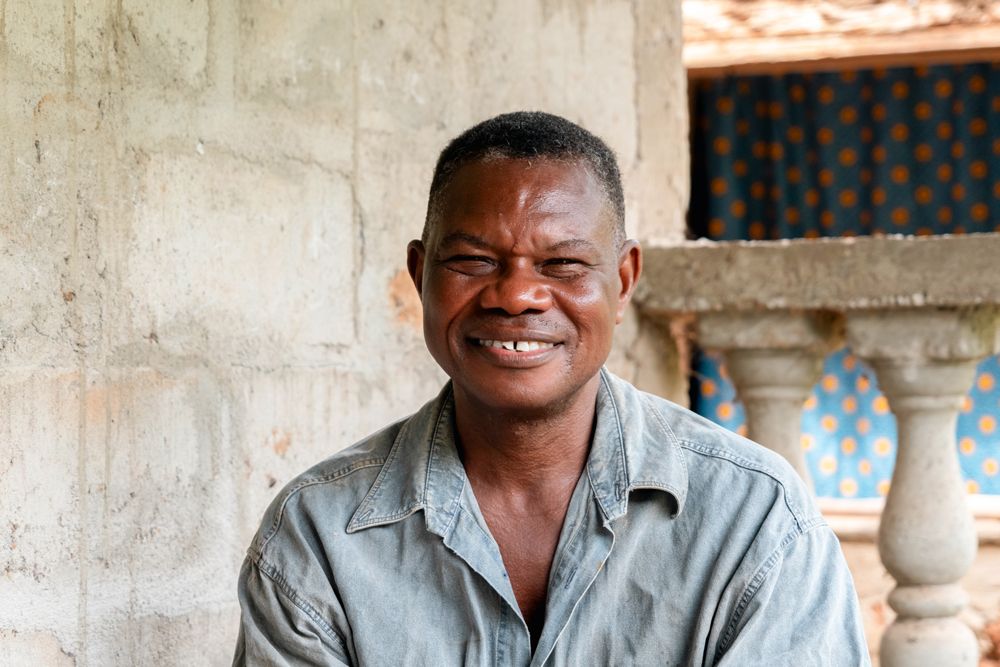
The Wawa project is built on strong community involvement at every stage of implementation. Farmers receive training in agroforestry practices and actively participate in integrating trees into their production systems, fostering rapid and lasting ownership of the proposed models.
Field observations conducted during Reforest’Action’s second audit mission in January 2025 highlight strong beneficiary engagement. Farmers report high satisfaction with the project and its early impacts, particularly in terms of improved soil fertility and crop performance. Some have gone further by independently replacing dead seedlings or extending agroforestry practices beyond initial project plots.
Scaling practices across territories
This ownership translates into a gradual transformation of agricultural practices at the territorial level. In several villages, farmers report reduced reliance on slash-and-burn practices and growing interest in tree-based systems.
By combining capacity building, strong engagement, and observable changes in practices, the project creates the conditions for the long-term diffusion of agroforestry models. This dynamic is essential to securing impacts over time and enabling the scaling of more resilient agricultural systems.
A robust carbon performance framework
A methodology and tool validated by Bureau Veritas
Since 2023, Reforest’Action has developed a methodology and simulation tool for ex-ante carbon sequestration, providing estimates of a project’s carbon storage potential over 30 years. This approach enables optimization of project design to maximize climate impact.
The methodology and tool were validated by Bureau Veritas Certification in October 2023. They comply with the core standards of the voluntary carbon market, aligned with international frameworks and regulatory requirements, including Article 147 of France’s Climate and Resilience Law. Bureau Veritas is authorized to verify ex-ante carbon calculations, ensuring third-party credibility.
Carbon projections aligned with ESG strategies
In August 2025, the Wawa project’s 30-year carbon sequestration projections were verified by Bureau Veritas through an audit assessing:
- Quantification: Carbon storage calculated using a verified tool aligned with ISO 14064-3:2019 and international standards
- Additionality: Demonstration that sequestration would not occur without the project, through comparison with a baseline scenario
- Permanence: Risk mitigation strategies and a 20% buffer applied
- Verifiability: Full transparency of data
- Sustainability: Multifunctional design maximizing environmental and socio-economic benefits
- Uniqueness: Registration in an internal registry ensuring traceability
The audit validated the project’s initial estimate of 92,243 tCO₂ sequestered over 30 years for the 2021–2022 planting season.
After five years, a field verification audit—also conducted by Bureau Veritas—will assess actual implementation, ecosystem health, and compliance with project conditions.
The Wawa project fully meets corporate requirements for transparency and ESG reporting (CSRD, SBTi, CDP) within a voluntary carbon contribution framework.
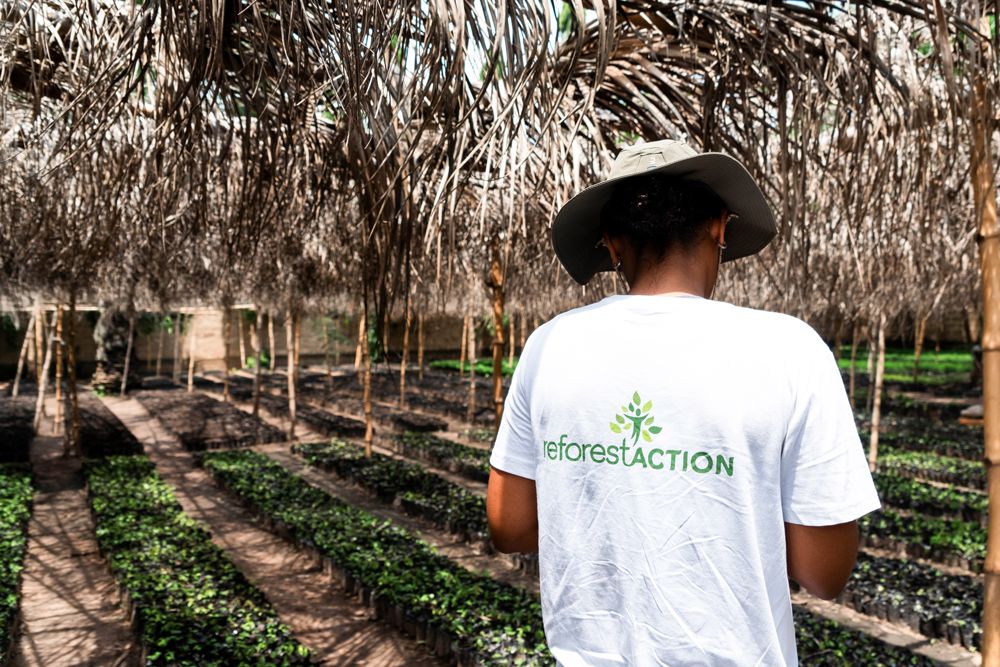
Restoring agricultural land requires a fundamental transformation of production systems, grounded in the reactivation of ecological processes that sustain long-term productivity. In Togo, the Wawa project exemplifies this approach by leveraging agroforestry to move beyond soil depletion dynamics, restore fertility, and align agricultural practices with local realities.
Through this project, Reforest’Action demonstrates its ability to design and deploy integrated agroforestry systems based on a deep understanding of agronomic and social contexts, while anchoring implementation in strong territorial dynamics. The combination of scientific expertise, local engagement, and rigorous carbon performance frameworks provides a robust foundation for delivering credible and lasting impact.
At a time when the resilience of agricultural systems has become a strategic global challenge, projects like Wawa offer concrete, scalable solutions. They pave the way for models that reconcile ecosystem restoration, food security, and long-term value creation—while enabling companies to engage in measurable, transparent, and standards-aligned climate and nature strategies.