

 Toute l'actualité
Long regarded as little more than a medium for production, soils are now emerging as living ecosystems at the intersection of climate, water, agricultural and economic challenges. Their degradation weakens value chains, intensifies physical risks and places productive systems under growing strain. Conversely, their regeneration opens new pathways for resilience, performance and long-term value creation. As the third edition of the World Living Soils Forum approaches on June 2–3, Reforest’Action calls for soils to be recognized as a strategic lever upon which the long-term viability of economic models increasingly depends.
Recognizing Soil as a High-Value Ecological System
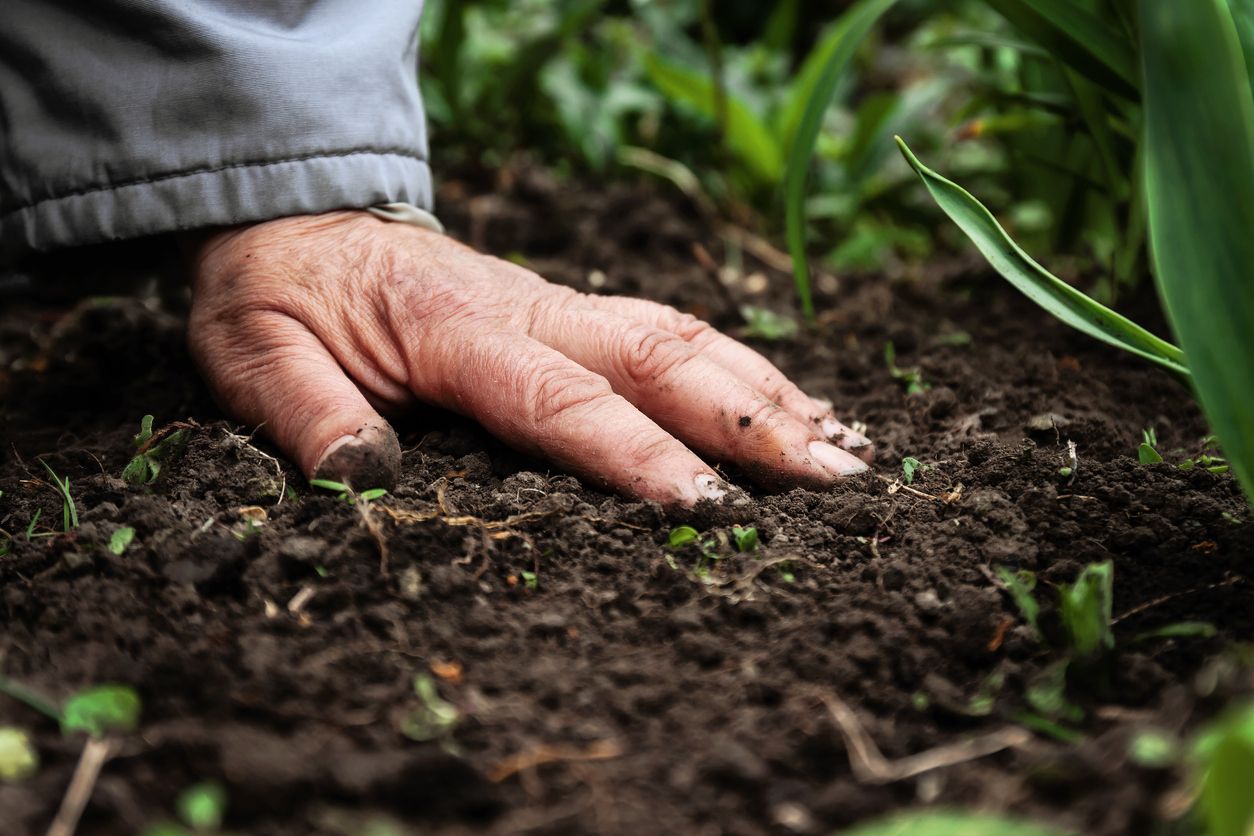
For decades, soils were treated as scenery: the surface on which to produce, build, plant and cultivate. Their value was measured primarily through yield potential, load-bearing capacity or land availability. That perspective is now obsolete. Soils are neither inert substrates nor resources that can be renewed in the short term. They are complex ecosystems — slow to form, quick to degrade, and deeply interconnected with the fundamental balances that sustain life.
According to the FAO, it can take up to 1,000 years to generate just 2 to 3 centimeters of soil, while erosion and unsustainable practices can compromise fertility within a single generation. Economically, the stakes are immense: more than half of global GDP — approximately $44 trillion in economic value — depends moderately or highly on nature and its services, including living soils, water, pollination and climate regulation.
Against a backdrop of climate instability, increasing water scarcity, mounting pressure on agricultural resources and tightening regulatory requirements, soil health is becoming a governance issue in its own right. It directly affects supply continuity and water resilience, while also shaping climate trajectories, biodiversity outcomes and, more broadly, companies’ ability to secure their business models in a world increasingly exposed to ecological disruption.
Soil: The Invisible Infrastructure of Life
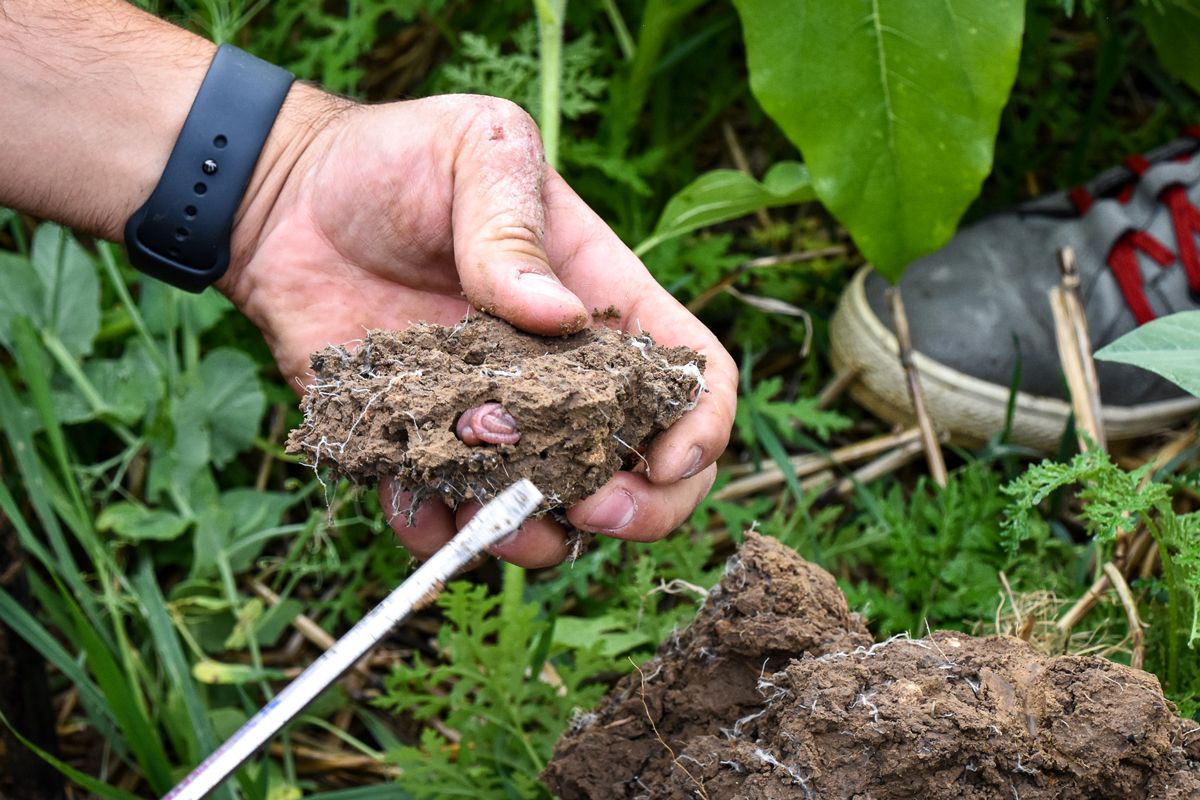
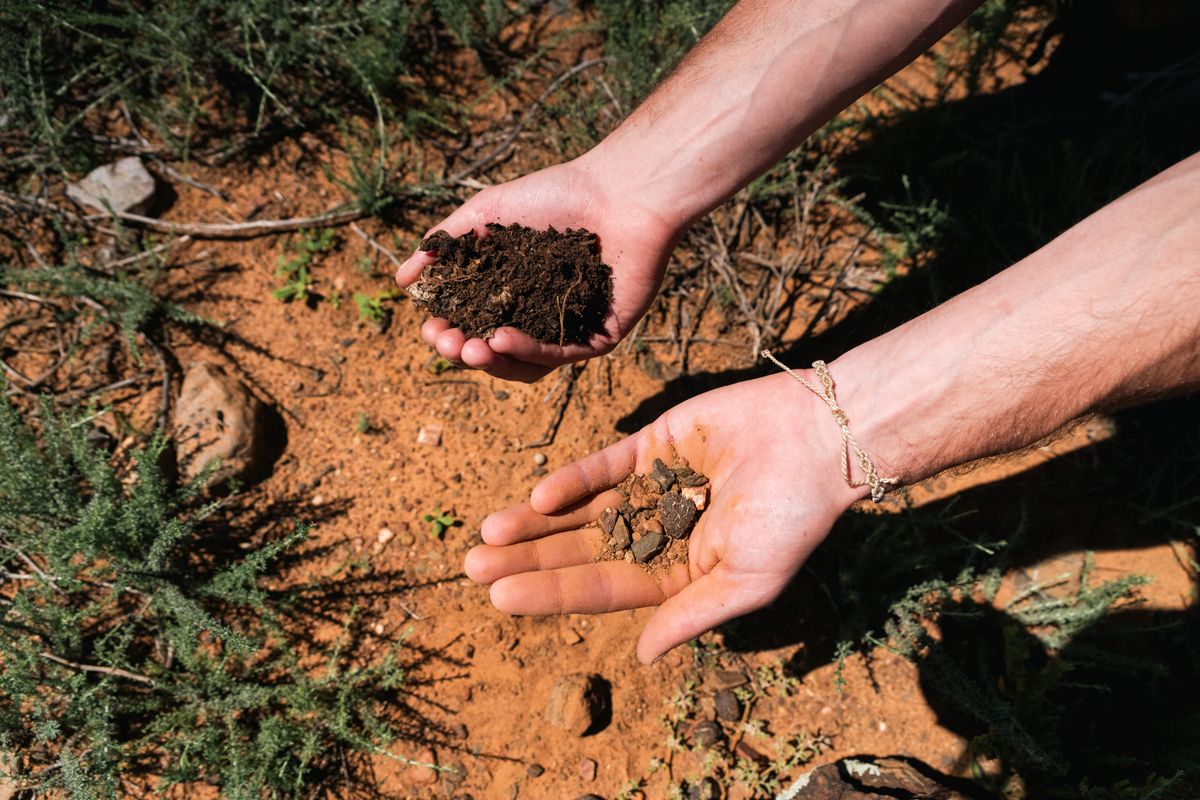
A living soil is an organized system. It combines mineral matter derived from weathered rock, organic matter in transformation, water, air, roots, fungi, bacteria, microfauna and macrofauna. Its functioning is based on interactions: between organic matter and minerals, roots and microbiota, porosity and infiltration, vegetation cover and thermal regulation, underground biodiversity and aboveground productivity.
Soil biodiversity remains largely invisible, yet it is decisive. The FAO estimates that soils host more than 25% of the planet’s biodiversity, while over 40% of living organisms in terrestrial ecosystems are connected to soils during their life cycle. This underground biodiversity enables essential functions: nutrient cycling, soil structuring, water availability for plants, degradation of certain contaminants, pathogen resistance, fertility and agricultural productivity.
Soil health therefore cannot be reduced to a carbon content measurement or a one-off chemical analysis. It depends on a soil’s capacity to simultaneously maintain its physical, chemical and biological functions. The Intergovernmental Technical Panel on Soils defines soil health as the ability of soils to sustain the productivity, diversity and environmental services of terrestrial ecosystems.
This definition fundamentally changes the way restoration must be approached. Restoring soil does not simply mean enriching it. It means recreating the conditions that allow ecosystems to function: permanent soil cover, plant diversity, erosion control, organic matter inputs, reduced disturbance, improved porosity, restored ecological connectivity, the reintroduction of trees into agricultural landscapes and long-term stewardship.
Soils, Water and Climate: One Interconnected System
Soil health is inseparable from the water cycle. At the scale of an ecosystem, rainfall may infiltrate the ground, be temporarily stored in the soil’s available water reserve, be absorbed by plants, evapotranspired, recharge aquifers or run off across the surface. The balance between these flows depends on soil texture, structure, depth, vegetation cover, organic matter content, topography and rainfall intensity. Reforest’Action has already documented this interdependence between soils and water: healthy soils can promote infiltration, reduce runoff, support vegetation during periods of water stress and limit erosion risks.
This issue becomes increasingly critical in the context of climate change. More intense rainfall events falling on bare, compacted or degraded soils are more likely to result in runoff, mudslides, fine particle loss, nutrient leaching and declining water quality. Conversely, covered, structured and organic-rich soils are better able to absorb and retain water, slow its circulation and support vegetation during dry periods. Organic matter plays a central role in this process: it helps retain water and nutrients, improves water availability and reduces erosion and leaching.
Soils also lie at the heart of the carbon cycle. Soil organic carbon represents the largest terrestrial carbon reservoir; globally, the top 30 centimeters of soil contain more carbon than the atmosphere and vegetation combined. This makes soils both a major climate lever and a critical point of vigilance. A soil can store carbon when organic inputs exceed losses caused by decomposition, erosion or runoff — but it can also release carbon when degraded, drained, left bare or intensively tilled.
For companies, this reality requires moving beyond a siloed carbon approach. Soil carbon is a valuable indicator, but it cannot be separated from biodiversity, water, productivity, the permanence of practices, soil depth or pedoclimatic context. High-integrity projects must therefore seek multifunctional ecosystem improvement rather than the optimization of a single metric.

A Vital Resource Under Severe Degradation
The soil crisis is global. The Global Land Outlook 2022, relayed by the FAO, indicates that up to 40% of the planet’s land is degraded, directly affecting half of humanity. The FAO also estimates that erosion removes between 25 and 40 billion tonnes of topsoil every year, reducing agricultural yields and undermining soils’ capacity to store and recycle carbon, water and nutrients.
In Europe as well, the issue is gaining scale. The European Commission estimates that 60% to 70% of soils in the European Union are in an unhealthy state, threatened by erosion, compaction, organic matter loss, contamination, salinization, artificialization and biodiversity decline. The entry into force of the first European Soil Monitoring and Resilience Law on December 16, 2025 marks a turning point: Member States will be required to establish monitoring and assessment systems for soil health within a framework aimed at achieving healthy soils across Europe by 2050.
This regulatory signal is significant. For decades, air, water and climate benefited from more structured governance frameworks than soils. Soils are now becoming an object of measurement, public policy, reporting, investment and governance. For companies exposed to agricultural, forestry, food, cosmetics, textile, energy or land-related value chains, this evolution turns soil health into a strategic issue.
Why Companies Must Address Soil Health
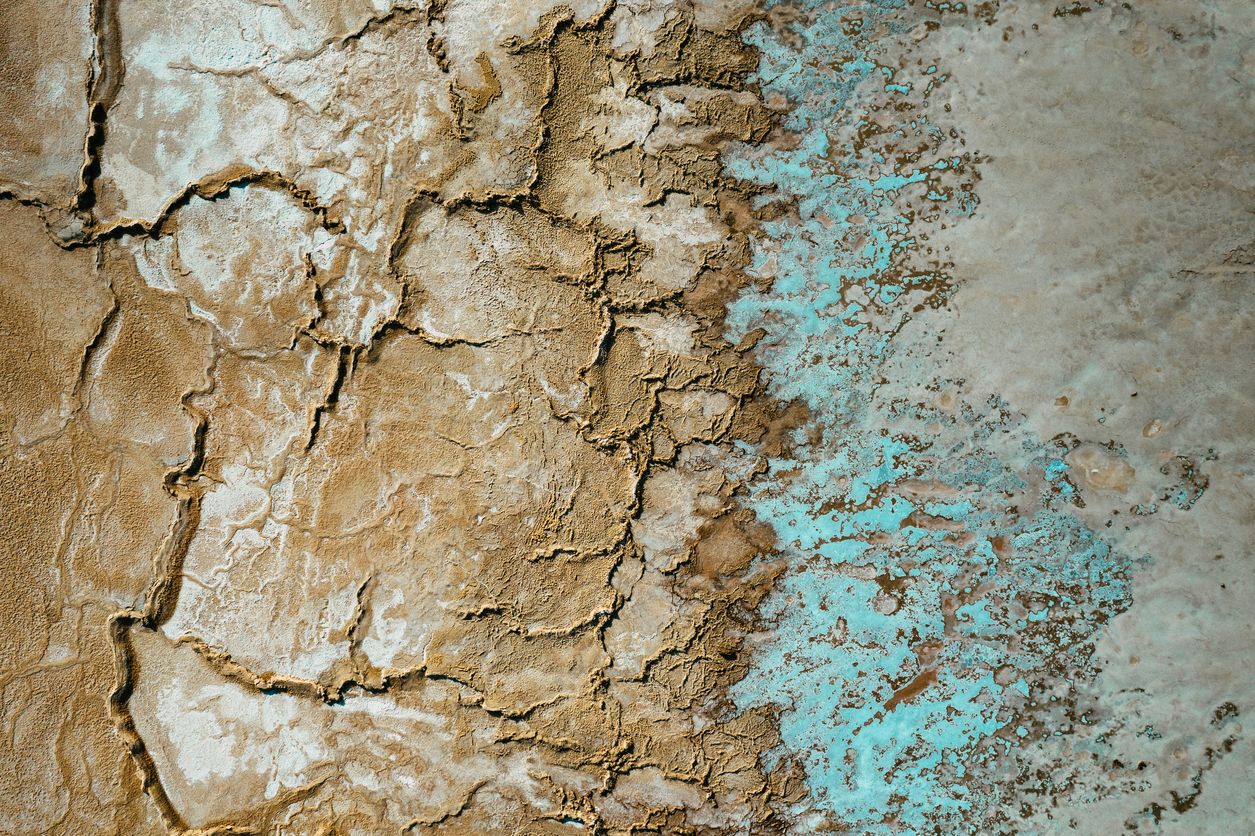
For businesses, the issue is no longer merely environmental. It is first and foremost operational, because soil degradation undermines the productivity of agricultural systems. Eroded, compacted, organic-poor or biologically depleted soils become more vulnerable to droughts, excess water, disease, fertility loss and yield volatility. In sectors already exposed to climate shocks, this vulnerability affects supply security, raw material quality and procurement costs.
It is also financial, as dependencies on nature — and the risks associated with their degradation — are becoming increasingly visible to investors, insurers and regulators. The TNFD encourages companies and financial institutions to assess, disclose and act upon their nature-related dependencies, impacts, risks and opportunities. Within the European Union, biodiversity and ecosystem-related requirements are also embedded in the ESRS standards, particularly regarding the identification of material impacts and risks.
Finally, it is reputational. Corporate commitments related to climate, biodiversity, water and regenerative agriculture are subject to growing scrutiny. Companies must demonstrate that their actions are localized, additional, measurable, credible and adapted to territories. When it comes to soils, credibility lies less in commitments themselves than in the effective transformation of practices, restoration trajectories, the robustness of indicators and the ability to monitor impacts over time.
From Compensation to Regeneration: A Paradigm Shift
Restoring soils requires transforming production systems in ways that strengthen their capacity to regenerate. This is the essence of regenerative agriculture: reorganizing agricultural systems around the functioning of living ecosystems by restoring the biological, vegetative and hydrological balances that underpin fertility.
The levers are well known, though their relevance depends on local contexts: permanent soil cover, diversified crop rotations, reduced mechanical tillage where possible, integration of legumes, organic amendments, agroforestry, hedgerows, grass strips, grazing management, wetland restoration, assisted natural regeneration, erosion control and watershed-scale hydrological management.
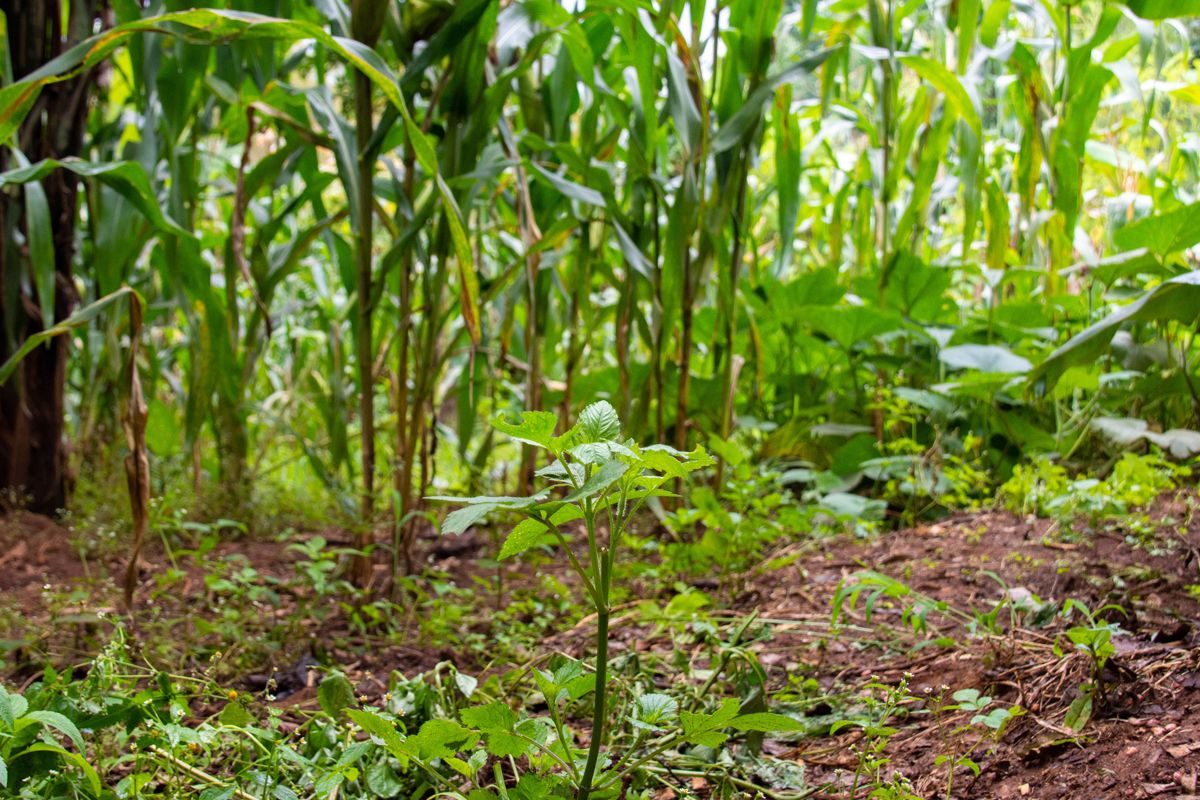
Agroforestry occupies a particularly important place in this transition. By reintroducing trees into agricultural systems, it simultaneously supports multiple functions: carbon storage in biomass and soils, microclimate regulation, protection against wind and erosion, support for functional biodiversity, water infiltration, economic diversification and farm resilience. Reforest’Action highlights that agroforestry and forestry projects can help reduce runoff, promote infiltration, limit pollutant transfers into river systems and improve both water quality and water availability at watershed scale.
This approach is all the more strategic because it reconnects climate, water, biodiversity and business objectives. Where environmental strategies have sometimes remained fragmented, soils force organizations to think systemically. A living soil does not serve a single indicator; it supports the stability of an entire productive landscape.
Acting at the Right Scale: Plot, Value Chain and Watershed
Soil restoration often begins at the plot level, but its effects extend far beyond it. Better-covered and better-structured soils influence water infiltration, runoff, pollutant transfer into waterways, local temperatures, biodiversity, productivity and sometimes even the resilience of an entire watershed. This is why soil strategies must operate across three interconnected scales.
The first is the farm or forestry operation itself. This is where practices change concretely: cover crops, tillage practices, crop rotations, agroforestry, input management, hedgerows, organic matter management and erosion control.
The second is the value chain. At this level, companies can secure supply chains, support producers, structure economic incentives, finance the transition, absorb part of the risk and integrate results into their climate and nature strategies.
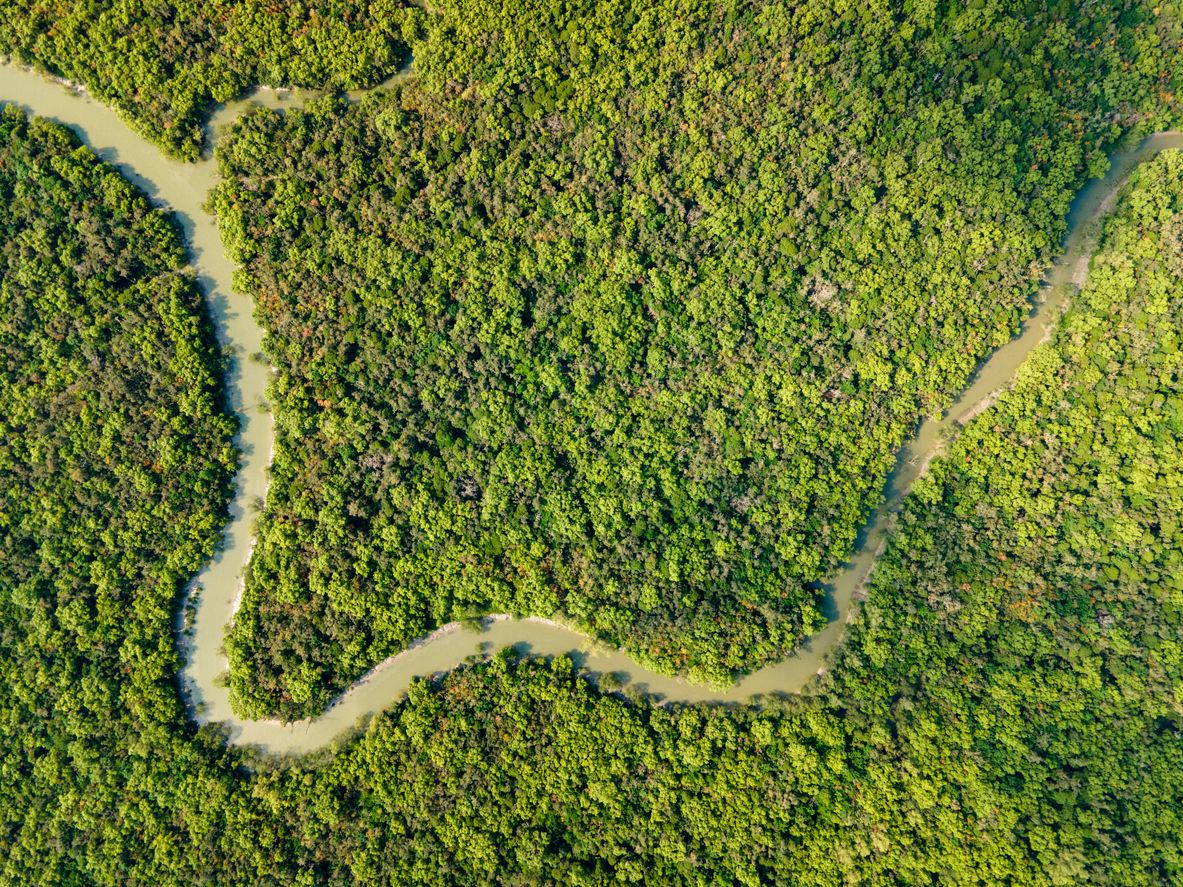
The third is the watershed. Water-related issues in particular cannot be addressed site by site. Reforest’Action therefore deploys a water resilience program designed for companies with significant water footprints or operating in watersheds exposed to scarcity, water stress, flooding or declining water quality. The approach consists of designing targeted forestry and agroforestry projects at watershed scale through diagnostics, identification of priority areas and hydrological impact projections.
This multi-scale intervention logic is decisive. It determines not only the effectiveness of the actions undertaken, but also their coherence over time and space. A soil never regenerates in isolation: it belongs to a broader system of flows — water, carbon and biodiversity — that extends far beyond the boundaries of a single plot or operation. This raises a fundamental question: how can such complex, distributed and evolving systems be managed, and how can organizations ensure that the actions undertaken generate real and lasting impacts?
Measuring to Manage: The Credibility Challenge
Soil restoration raises a decisive question: how can its effects be measured over time? Soil is a slow, heterogeneous and highly localized system. Two neighboring plots may display radically different dynamics depending on land-use history, texture, slope, vegetation cover, depth or moisture conditions. Certain practices may rapidly affect infiltration, vegetation cover or erosion, while impacts on organic carbon, biodiversity or deep soil structure may take much longer to emerge. Measurement systems must therefore combine multiple approaches: field diagnostics, soil analyses, agronomic indicators, hydrological monitoring, satellite data, modeling, producer surveys and longitudinal monitoring.
This is precisely where Reforest’Action seeks to differentiate itself. Since 2010, the company has designed and deployed reforestation and regenerative agriculture solutions rooted in local territories, aligned with business challenges and intended to generate measurable and lasting impacts. Across its projects, impact is approached in a multifunctional way, integrating climate, biodiversity, water, soil and socio-economic dimensions.
Reforest’Action also mobilizes modeling tools to better understand and project the impacts of agroforestry and forestry projects on the soil-water system. Its approach notably relies on recognized frameworks such as the Volumetric Water Benefit Accounting methodology developed by the World Resources Institute, as well as tools designed to estimate hydrological dynamics at territorial scale. At the same time, its MRV platform aims to collect, analyze and report reliable data on project implementation and impacts by combining field data with satellite imagery.
For decision-makers, this measurement requirement is critical. Regeneration cannot remain merely declarative. It must be managed as an operational transformation: baseline diagnosis, reference scenarios, territory-adapted design, impact indicators, long-term monitoring, adaptive management, local governance and reporting.
Structuring Collective Soil Governance
As soil regeneration strategies become more structured across value chains and territories, one reality is becoming increasingly clear: they cannot be carried forward by isolated actors alone. They require frameworks for cooperation, knowledge sharing and cross-sector alignment. The World Living Soils Forum fits precisely within this dynamic. Created in 2022 by Moët Hennessy and co-organized with ChangeNOW, the Forum positions itself as an international gathering dedicated to soil preservation, health and regeneration. Its third edition will take place on June 3–4, 2026 at LUMA Arles, bringing together scientists, farmers, businesses, investors, NGOs, startups and institutional stakeholders around knowledge, innovation and field experience in support of the agricultural and viticultural transition. Yet such collective frameworks can only generate lasting effects if they translate concretely into corporate decision-making.
In this context, Reforest’Action’s contribution is rooted in a strong conviction: soils must be repositioned at the heart of corporate strategies, as the point of convergence between climate, water, biodiversity, agriculture and the economy.
Integrating Soils into Corporate Strategy
For companies, the challenge is no longer understanding why action is needed, but how to concretely integrate soils into strategic decision-making. This first requires mapping dependencies across value chains, identifying areas of vulnerability and prioritizing key watersheds and supply regions. It also means financing and supporting the transition toward regenerative practices, then measuring their impacts in order to integrate them into strategic steering mechanisms.
This transformation also requires acknowledging that soil restoration operates on a long timescale. Biological cycles, organic matter accumulation, horizon structuring, biodiversity recovery and hydrological improvement do not follow the short-term rhythm of annual communications. Credibility therefore depends on duration, transparency and alignment between economic objectives and ecological trajectories.
Reforest’Action operates precisely at this interface: between corporate strategy and territorial realities; between climate, nature and water objectives and agricultural or forestry practices; between transition commitments and impact measurement. Its regenerative agriculture, monitoring and water resilience programs reflect a common approach: designing projects tailored to local contexts, deploying nature-based solutions, monitoring their effects over time and creating value for both businesses and ecosystems.
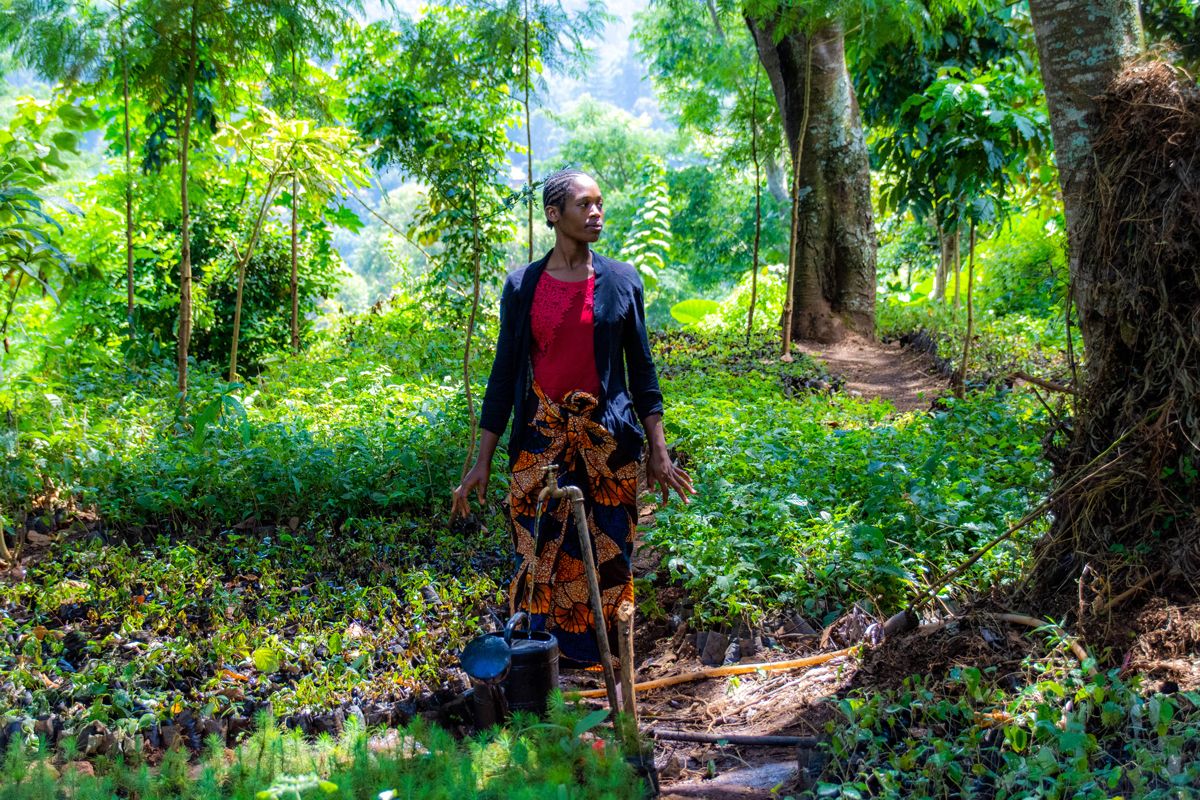
The long-term viability of economic models depends on ecological balances of which soils constitute one of the foundations. In the years ahead, the most resilient organizations will be those that understand that the robustness of their business model also depends on the health of the ecosystems upon which they rely. Soils are among these invisible infrastructures. Their degradation is a risk; their regeneration, an investment. This is where a decisive part of the living economy will be shaped.