


 Toute l'actualité
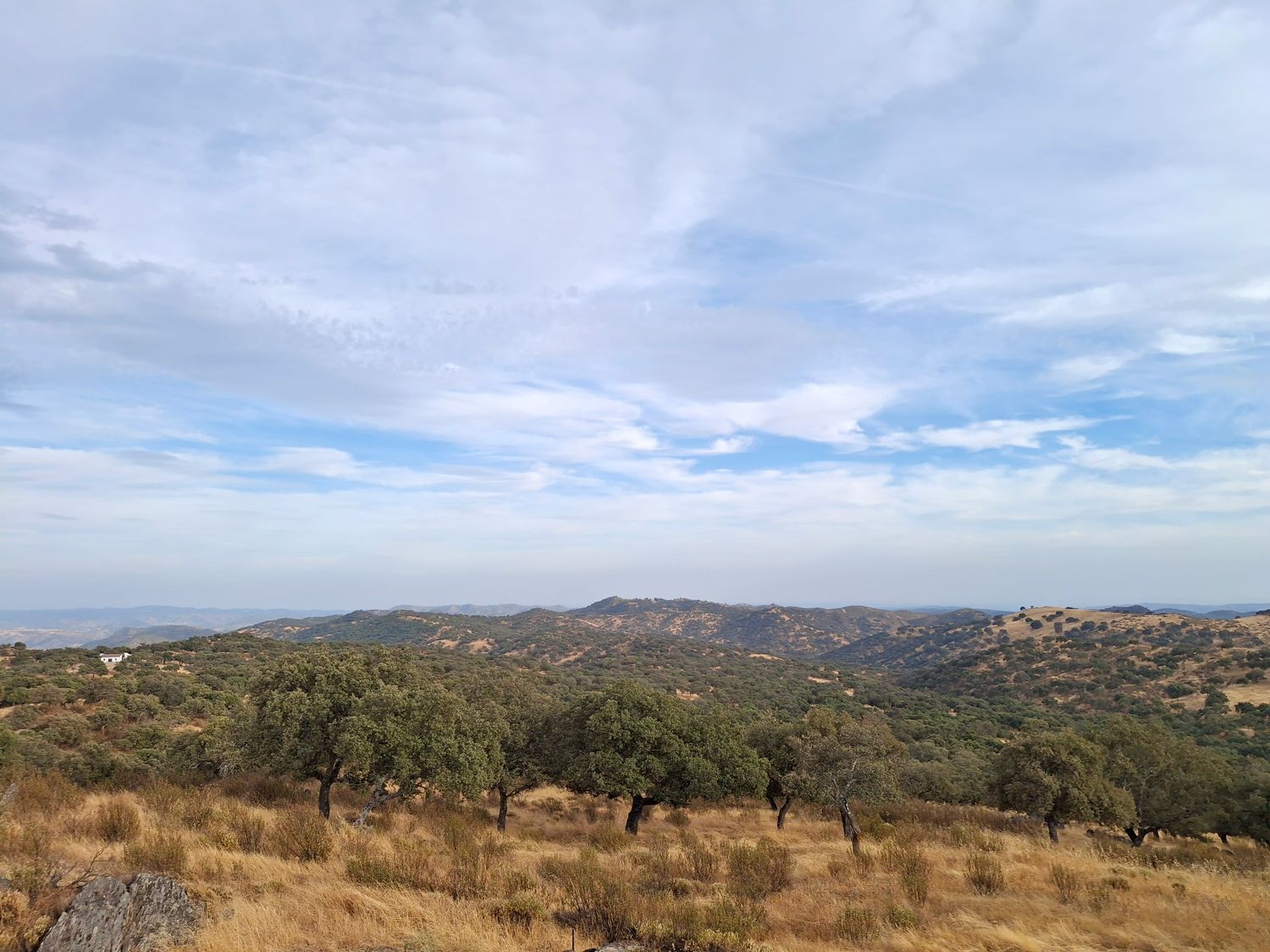
Across the landscapes of western Andalusia, forests unfold as a mosaic of clearings, grasslands and scattered trees, forming the distinctive silhouettes of the dehesas—Mediterranean agroforestry systems where human activity and ecological processes have long evolved in a delicate balance. Over recent decades, however, this equilibrium has begun to erode. Cork oak stands are ageing, natural regeneration is declining, while recurring droughts, pathogens and increasing browsing pressure from wildlife are accelerating the degradation of these forested landscapes. In this context, restoring a dehesa cannot be reduced to planting trees. The challenge lies in reactivating the biological processes that enable forest ecosystems to renew themselves and sustain their biodiversity. It is within this framework that the project led by Reforest’Action and our field partner Sylva Nova, at La Loma, in the heart of the Sierra de Hornachuelos Natural Park, takes shape. Spanning 176 hectares restored between 2023 and 2028, the ambition goes beyond re-establishing tree cover: it is about designing a restoration project in which biodiversity becomes the very foundation of ecological design, guiding every technical choice and field intervention.
Dehesas: A Remarkable Yet Fragile Ecosystem
A High-Value Agroforestry System
La Loma is located within the Sierra de Hornachuelos Natural Park, a territory included in the Natura 2000 network and designated as a Special Protection Area for Birds (SPA). This status reflects the site’s ecological importance, as it hosts one of the most distinctive agroforestry landscapes in Western Europe.
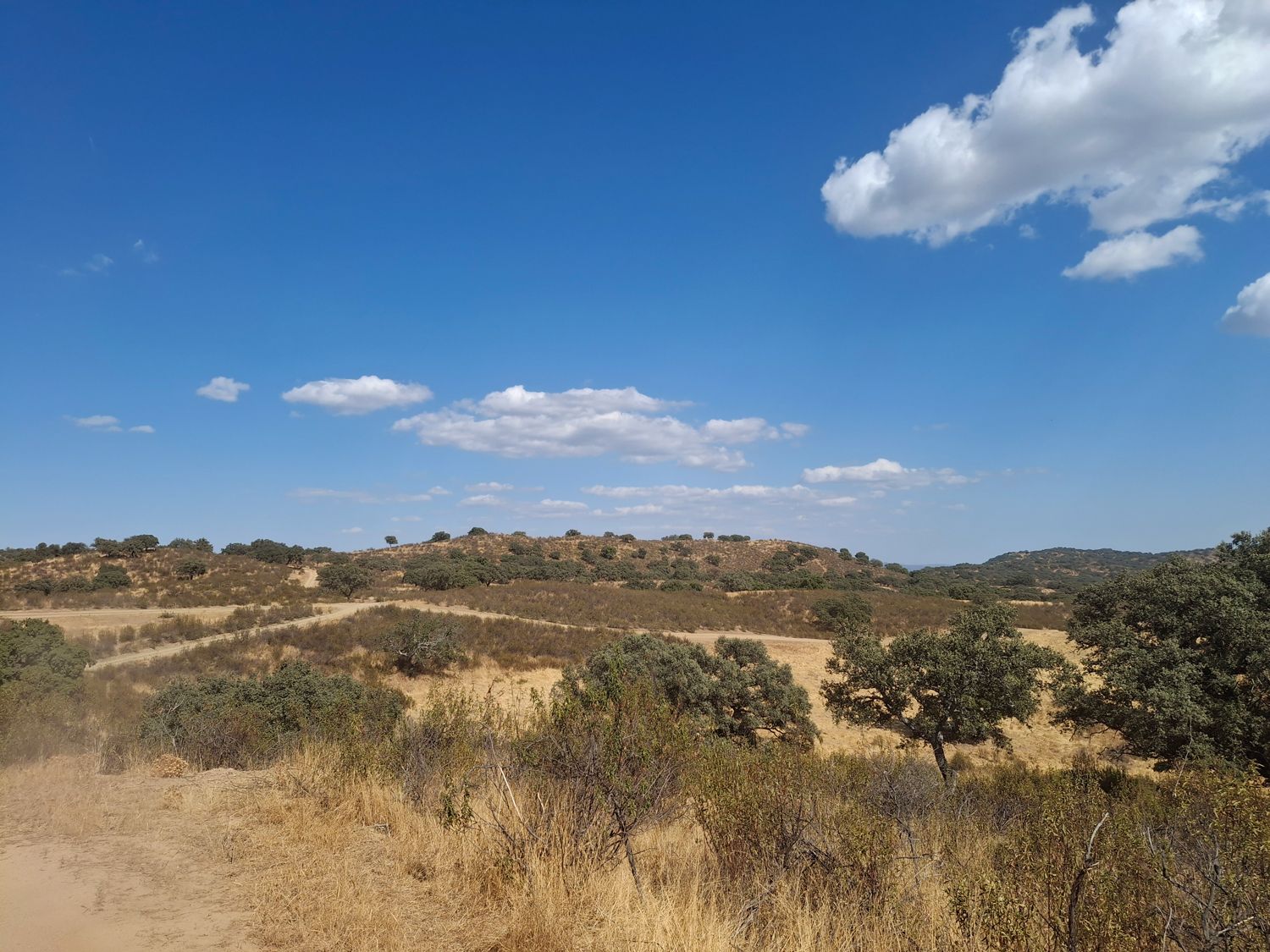
The structure of dehesas is based on a semi-open system in which trees—primarily cork oaks and holm oaks—are interspersed with grazed natural grasslands. This configuration creates a mosaic of habitats highly conducive to biodiversity. The grasslands support a rich Mediterranean herbaceous flora composed of grasses, legumes and aromatic plants, providing the foundation for abundant pollinator communities and complex trophic networks.
Trees, in turn, play a structuring role within the ecosystem. They offer nesting sites, produce essential food resources and contribute to the microclimatic regulation of the landscape. The dehesas of the Sierra de Hornachuelos host a remarkable fauna, including species such as the southern shrike, several lark species and emblematic raptors such as the Spanish imperial eagle. Mammals are also well represented: genets, badgers, wild boar and deer inhabit these open environments, while high rabbit densities can occasionally attract the Iberian lynx, one of Europe’s most endangered felines.
This biological richness stems from an ecological balance shaped over centuries. Extensive agro-pastoral practices have helped maintain open landscapes and sustain habitat diversity. Yet this balance remains fragile.
The Silent Decline of Mediterranean Cork Oak Woodlands
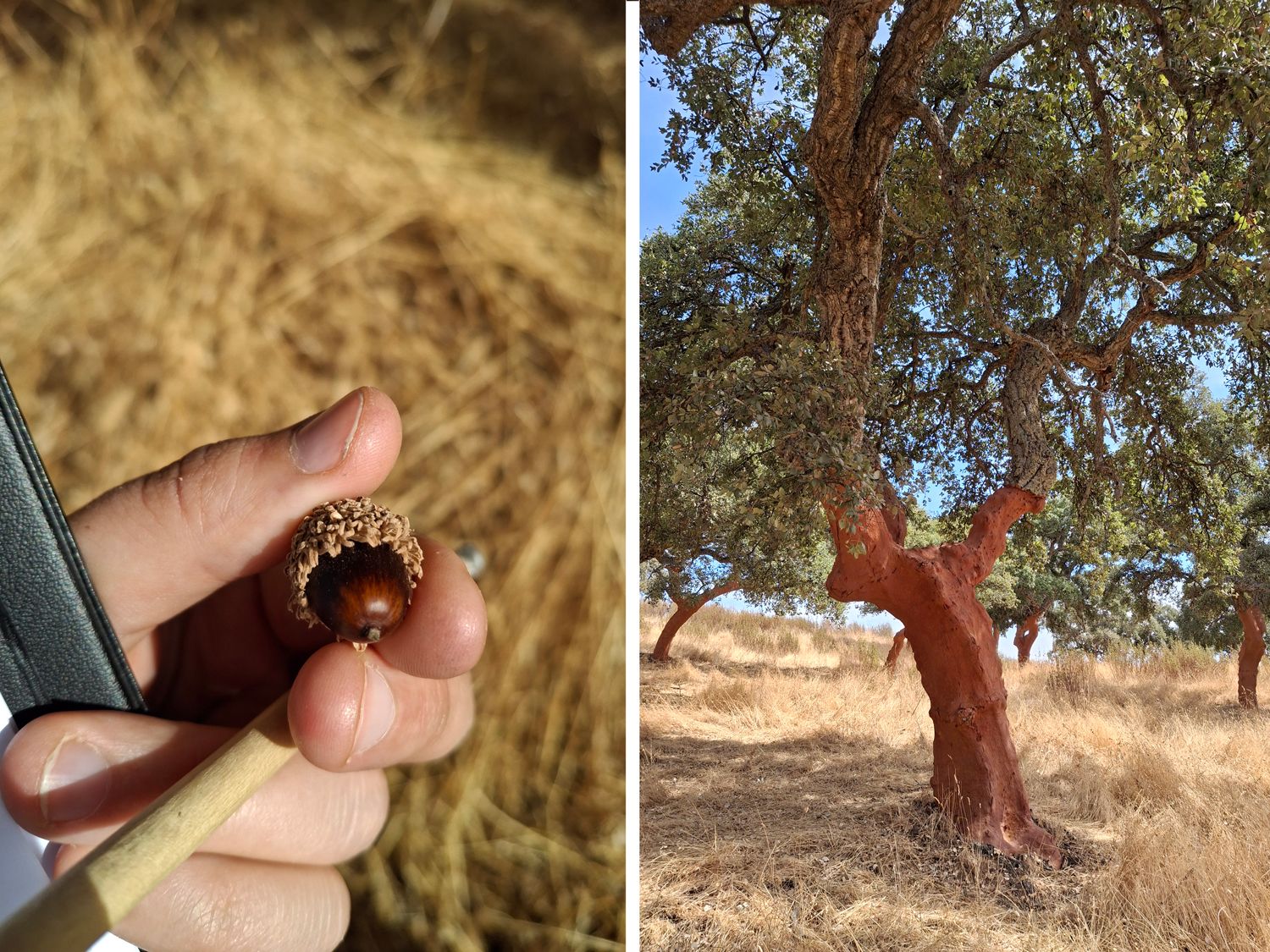
The dehesa landscapes are largely structured around the cork oak (Quercus suber), an emblematic species adapted to Mediterranean climatic conditions and the region’s poor soils. Trees on the La Loma site often reach 150 to 200 years of age, reflecting a forest heritage shaped by generations of human management.
Today, however, these cork oak woodlands are undergoing a gradual decline observed across the western Mediterranean basin. Recurrent droughts weaken the trees and intensify the dieback phenomenon known as seca. At the same time, xylophagous insects colonise trunks and lay their eggs in the bark, progressively weakening older individuals.
Meanwhile, natural regeneration is no longer sufficient to ensure stand renewal. High densities of deer and wild boar lead to massive acorn consumption and browsing of young shoots, preventing seedlings from surviving their most critical early years.
The consequence is gradual yet decisive: tree density declines and the ecological integrity of dehesas deteriorates. Restoring these landscapes therefore requires acting both on forest stands and on the ecological processes that govern their renewal.
The Design of the La Loma Project: Ecological Engineering in Service of Living Systems
Ecological Interactions at the Core of Restoration
In ecosystems such as the dehesa, forests are not merely assemblages of trees but networks of interactions linking vegetation, fauna, soil microorganisms and human activities. Restoring the forest therefore means reactivating the ecological relationships that underpin ecosystem resilience.
At La Loma, biodiversity is conceived as the driving force of restoration: interactions among species play a decisive role in regenerating forest stands. Seed-dispersing birds actively contribute to natural regeneration, while pollinators support plant reproduction. Soil microorganisms enhance nutrient uptake by roots, and insectivorous bats help regulate insect populations. Restoration thus aims not to replace natural processes, but to support their expression by mobilising biodiversity as a lever for ecological regeneration.
Genetic Selection and Cork Oak Regeneration
Within this framework, the La Loma project relies on a design combining three complementary regeneration strategies: sowing germinated acorns, planting nursery-grown young oaks, and promoting natural regeneration through seed dispersal by wildlife. The objective is to activate multiple renewal dynamics simultaneously, thereby enhancing both the resilience and genetic diversity of the stand.
A meticulous process of seed selection is first carried out. Acorns are collected from trees identified on-site as seed trees, selected for their ecological qualities: resistance to pests and pathogens, drought tolerance, cork quality and longevity. Part of these acorns is then raised in nurseries for one year to produce robust saplings for planting, while the remainder is used for direct sowing after germination.
In winter 2026, more than 3,200 germinated acorns were sown across the site at an average density of approximately 64 plants per hectare. In parallel, one-year-old nursery-grown saplings are planted to secure stand establishment. These are often installed near the stumps of dead trees, where existing root systems create favourable conditions for growth and enhance soil biological structure.
Restoration does not rely solely on these direct interventions. The project also harnesses natural seed dispersal processes. A feeding station installed on-site attracts Eurasian jays, whose behaviour of caching acorns in the soil promotes subsequent germination. This process of zoochory could generate up to 125 young trees per hectare, thereby contributing to natural regeneration.
Managing Ecological Pressures
To better understand these ecological dynamics, camera traps have been installed across the site. They allow for monitoring wildlife activity and documenting the role of different species in regeneration processes.
Managing ecological pressures is another essential component of the project. Fencing has been installed to limit damage caused by wildlife, which represents one of the main barriers to natural regeneration.
In this Mediterranean landscape, characterised by hot and dry summers, fire prevention is also integrated into the project design. Firebreaks created through vegetation clearing have been established around restored areas to reduce the risk of fire spread.
Restoring Ecosystem Functions
Restoring soil biological functioning is another key pillar of the project. Mycorrhizal fungi are introduced during planting to promote symbiotic relationships between roots and microorganisms. These associations improve nutrient uptake and increase plant resistance to environmental stress.
Vegetation diversification is also encouraged through the introduction of complementary species, such as wild pear, which enriches food resources for wildlife. The installation of bat boxes further supports insectivorous species that contribute to natural pest regulation.
Preserving a Socio-Ecological System: The Cork Value Chain
The restoration of cork oak woodlands at La Loma also takes into account the long-term perspective of traditional uses associated with cork oak. The tree’s bark provides the raw material for cork, a renewable resource that has structured the rural economies of Mediterranean regions for centuries. Harvested periodically without felling the tree, typically on a nine-year cycle, cork extraction relies on careful forest management aimed at preserving tree vitality and stand sustainability.
By fostering cork oak regeneration and enhancing biodiversity, the La Loma project contributes to maintaining the ecological conditions necessary for the long-term viability of this local value chain. Biodiversity restoration and the sustainability of human activities thus appear deeply interconnected, reflecting the inherently socio-ecological nature of these Mediterranean landscapes.
Together, these actions reflect an approach in which biodiversity constitutes both the ultimate objective and the driving force of restoration.
Measuring Impact: The Global Biodiversity Standard
The Need for Rigorous Biodiversity Assessment
The ecological design of the La Loma project is part of a broader ambition: to demonstrate, in a rigorous and measurable way, the real impact of restoration projects on biodiversity. As reforestation initiatives expand globally, the scientific evaluation of outcomes becomes increasingly critical. Tree planting may be the most visible indicator, but it fails to capture the complexity of ecological processes involved. Restoration requires the re-creation of functional habitats, the return of native species and the re-establishment of biological dynamics that ensure ecosystem resilience.
In this context, robust assessment tools are essential to ensure the credibility and effectiveness of restoration strategies. This is precisely the purpose of The Global Biodiversity Standard (TGBS), the only international standard dedicated to evaluating the biodiversity impact of projects. Developed over several years with the contribution of an international network of botanists, ecologists and conservation experts, this certification provides a rigorous scientific framework for assessing the ecological quality of restoration projects. Officially launched at COP16 of the Convention on Biological Diversity, it is based on the in-depth analysis of habitats, species communities and site-specific ecological dynamics.
Reforest’Action’s Role and the Audit of the La Loma Project
Reforest’Action contributes to the Global Biodiversity Standard by providing environmental analysis tools based on remote sensing, enabling a more refined understanding of ecological dynamics and the monitoring of restoration trajectories over time. The organisation also leads the European Hub of the standard, dedicated to deploying the certification across projects on the continent.
Within this framework, the La Loma project is currently undergoing an audit with a view to certifying its management plan under the Global Biodiversity Standard. By submitting the project to independent assessment by Preferred by Nature, Reforest’Action adopts a transparent scientific approach aimed at ensuring that restoration strategies effectively enhance local biodiversity and restore the ecological dynamics of dehesa landscapes. The La Loma project is set to become the first European project to achieve Global Biodiversity Standard certification.
A Strategic Framework for Corporate Engagement
Beyond scientific evaluation, the Global Biodiversity Standard also represents a strategic tool for companies investing in restoration initiatives. By independently validating the biodiversity impact of forestry and agroforestry projects, it enables organisations to credibly demonstrate their contribution to ecosystem preservation and restoration.
In a context of growing expectations around transparency and environmental accountability, TGBS-certified projects provide a robust framework for structuring biodiversity commitments and strengthening the credibility of corporate sustainability strategies. They also offer strong complementarity with climate initiatives, particularly those aligned with international carbon standards. Healthy, functional ecosystems contribute both to climate change mitigation and to the adaptation of territories and societies to its impacts. The TGBS certification therefore enables companies to anchor their actions within a more integrated approach to climate and biodiversity, recognising the role of restoration projects in the long-term regeneration of ecosystems.
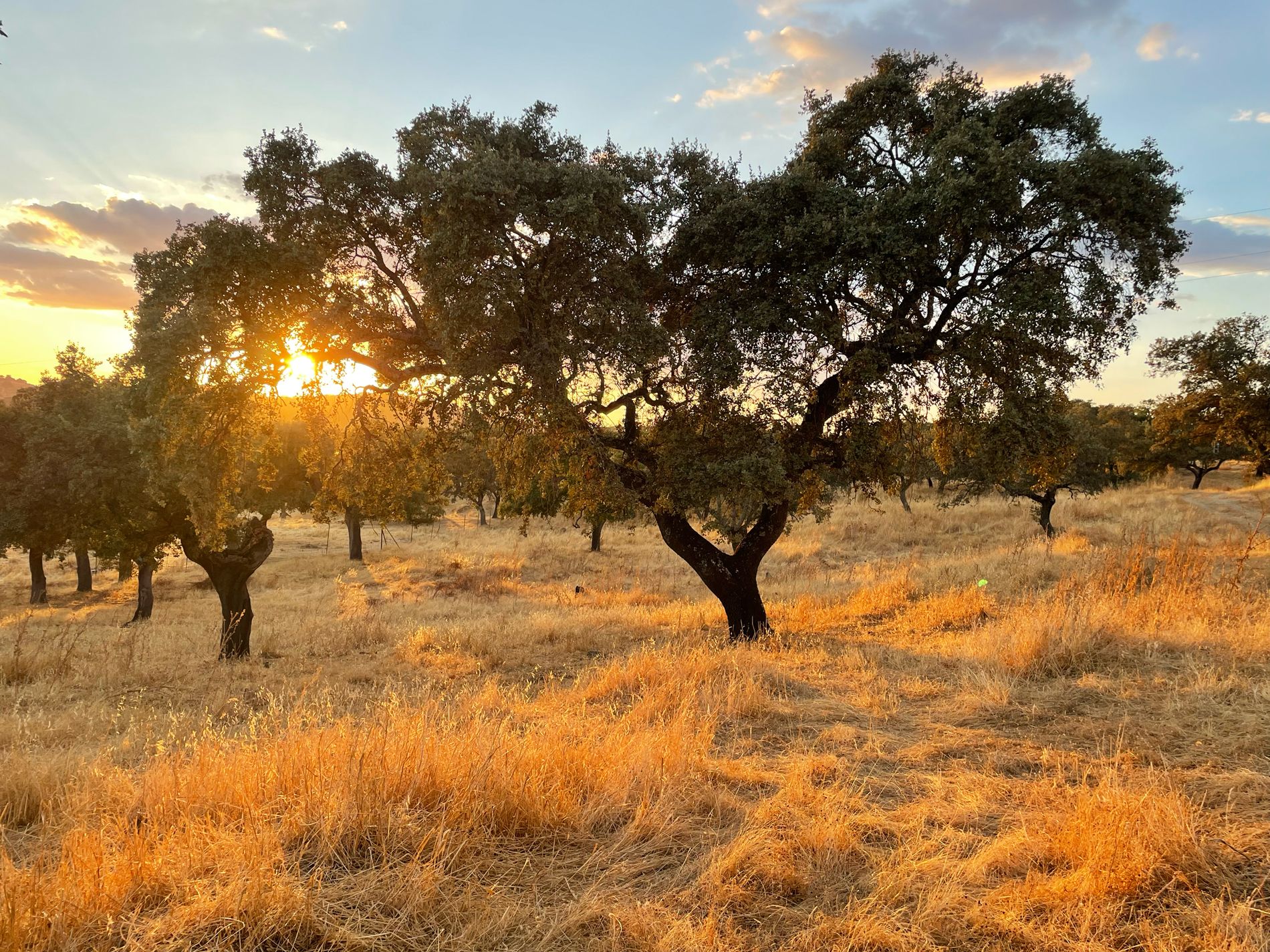
The project in La Loma illustrates a profound shift in forest restoration practices. In a context marked by biodiversity loss and climate change, tree planting alone can no longer be considered sufficient. Restoration now requires a deep understanding of ecosystem functioning and the biological dynamics that underpin it. In this project, every intervention—from seed selection and mycorrhizal inoculation to seed dispersal by birds and protection against browsing pressure—is designed to support the natural processes that enable forests to regenerate. By placing biodiversity at the heart of project design, Reforest’Action demonstrates a demanding and scientifically grounded approach to restoring degraded forests. The objective is not merely to rebuild tree cover, but to restore ecosystems capable of sustaining themselves, evolving over time and supporting life in all its forms. In the Mediterranean landscapes of the Sierra de Hornachuelos, this ambition translates into the gradual reconstruction of a living system, in which the forest regains its capacity for renewal and biodiversity once again becomes the organising principle of the landscape.