


 Toute l'actualité
In the Brazilian state of Acre, deep within the Amazon rainforest, forests have come under increasing pressure in recent years as powerful economic forces continue to drive rapid land-use change. Against this backdrop, French footwear company VEJA, founded in 2004, has spent nearly two decades building a native rubber supply chain that helps keep the forest standing while supporting local livelihoods. To expand the impact of this long-standing commitment, VEJA has partnered with Reforest'Action,the Brazilian NGO SOS Amazônia and the German Agency for International Cooperation (GIZ) to launch HABITAR, a pilot restoration initiative that is restoring 115 hectares of degraded land through Assisted Natural Regeneration (ANR).
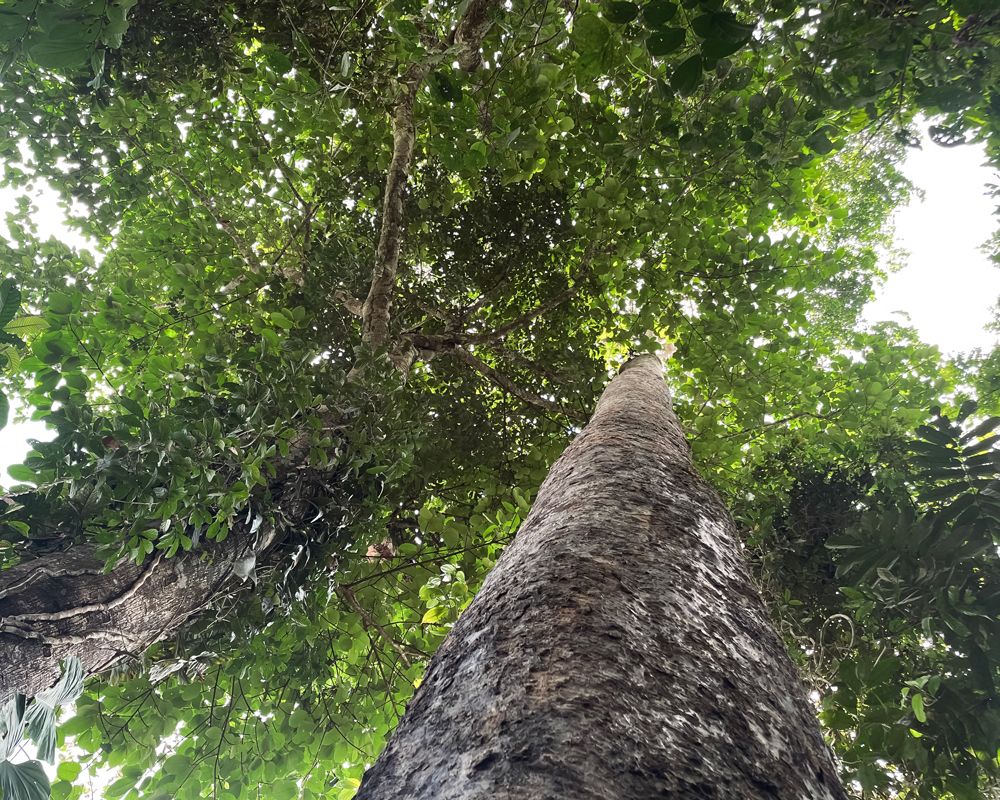
Preserving Forests While Securing Livelihoods
Deforestation continues to accelerate across the Amazon
Over the past five years, deforestation in the Brazilian state of Acre has become an increasingly pressing environmental challenge, reflecting broader trends across the Brazilian Amazon. Forest loss intensified dramatically, reaching record levels: in 2021 alone, approximately 1.3 million hectares of tropical rainforest were cleared across the Brazilian Amazon – the highest level recorded since 2006.
According to Brazil's PRODES monitoring programme (INPE), approximately 153,865 hectares of forest were lost in Acre between 2019 and 2023, including nearly 20,700 hectares in 2023 alone.
Behind these figures lie powerful economic drivers. Growing demand for agricultural land and timber continues to reshape landscapes throughout the region, making forest conversion an enduring structural challenge.
The economic forces behind deforestation: cattle ranching and agricultural expansion
Cattle ranching remains one of the primary drivers of deforestation in Acre. As throughout much of the Amazon Basin, vast areas of native forest have been converted into pasture in response to sustained domestic and international demand for beef. Soy cultivation is also expanding rapidly across the state. Driven by growing global demand, particularly for animal feed in China and Europe, soy production continues to push agricultural frontiers into previously forested landscapes.
A cycle of land degradation that becomes increasingly difficult to reverse
At the local level, these economic dynamics are compounded by land management practices that progressively degrade soil health, including repeated slash-and-burn agriculture and short-cycle shifting cultivation (capoeira).
Over time, this system exhausts soil fertility, creating a low-productivity agricultural model in which secondary forest is periodically burned to temporarily restore nutrient availability.
The long-term consequences are severe. Once forest cover disappears, ecosystems deteriorate rapidly. Rather than creating productive agricultural land, deforestation exposes nutrient-poor, silica-rich parent material that is highly vulnerable to erosion and surface runoff.
These degradation processes are already visible across the landscape, with expanding areas dominated by erosion-indicator species, increasingly sediment-laden waterways and accelerating ecosystem decline.
Making forests a long-term economic asset
Against this backdrop, protecting primary forests is not only an environmental imperative – it is also an economic one. Old-growth forests constitute irreplaceable living infrastructure, delivering a wide range of ecosystem services, including soil stabilisation, water regulation, carbon storage and biodiversity conservation.
Ensuring that these forests remain standing also requires strengthening economic value chains that depend directly on healthy forest ecosystems. Native rubber is a compelling example. When sustainably harvested and fairly valued, it creates a direct economic incentive to conserve forests while providing resilient livelihoods for local communities.
The quality of latex produced by the rubber tree (Hevea brasiliensis) is itself closely linked to the unique characteristics of intact Amazonian forest soils, which are naturally acidic, biologically distinct and rich in partially decomposed organic matter.
Within these demanding ecological conditions, rubber trees produce latex with enhanced protective properties as a defence against pathogens. The more complex and challenging the surrounding ecosystem, the more sophisticated this biological response becomes – and the richer and more resilient the latex tends to be. In other words, the quality of native rubber is intrinsically tied to the health of the forest that sustains it.
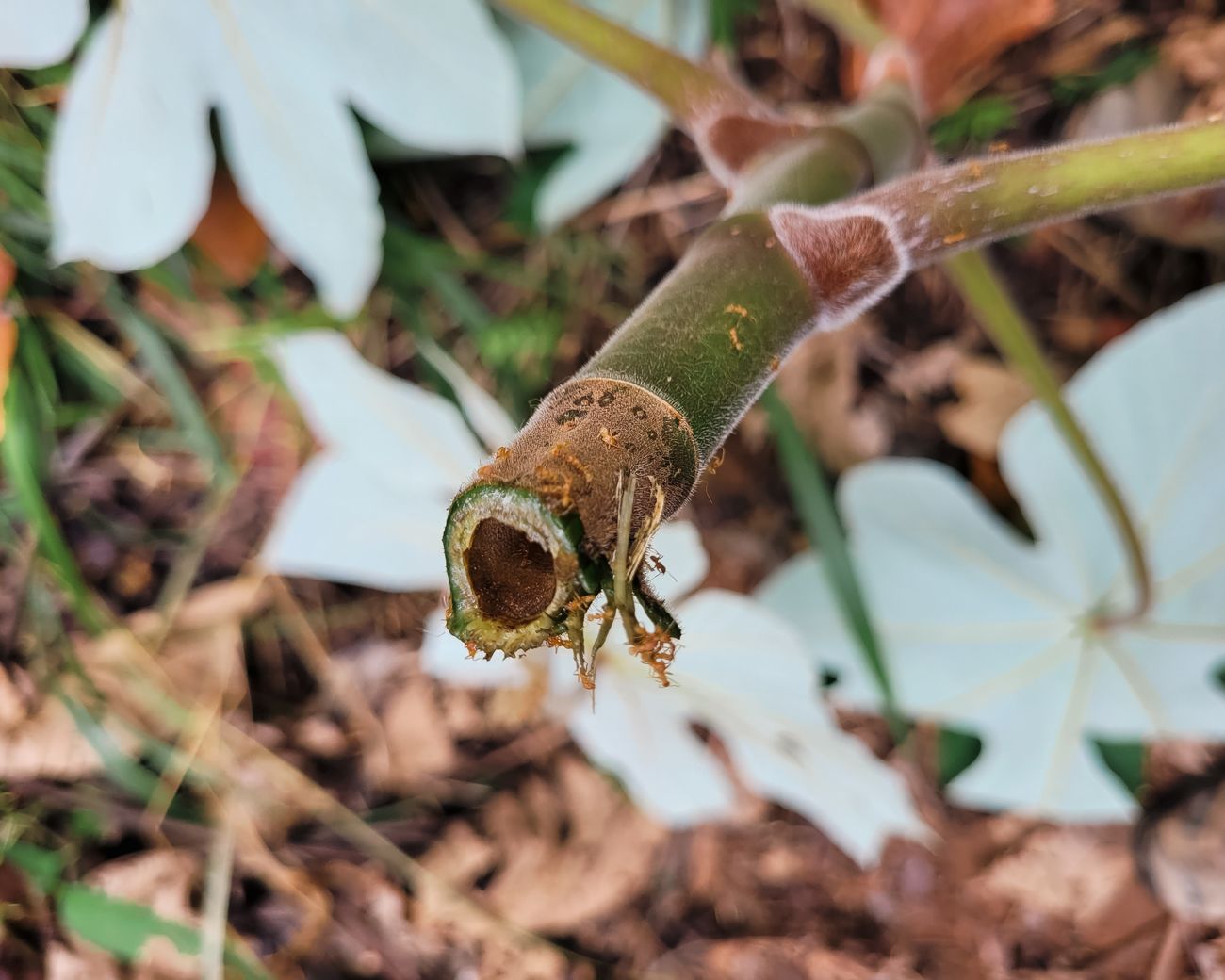
A Nature-Based Response: The HABITAR Project
A long-standing supply chain serving forest conservation
In contrast to extractive production models, VEJA has built a distinctive relationship with the Amazon since its inception through its native rubber supply chain.
Although Hevea brasiliensis is now cultivated across many tropical regions, it is in its original Amazonian habitat that the species reaches its full biological potential, producing latex renowned for its exceptional quality.
Today, VEJA sources its rubber directly from seringueiros – traditional rubber tappers – who harvest latex using techniques that preserve both the trees and the surrounding forest. The company pays above-market prices, complemented by an additional premium, creating stronger economic incentives for sustainable harvesting.
This model helps secure local livelihoods while reinforcing the economic value of standing forests. It also relies on partnerships with local cooperatives such as COOPERACRE, which play a central role in ensuring that value is distributed more equitably across participating communities.
HABITAR: restoring 115 hectares while strengthening community resilience
Building on this long-term commitment, VEJA now seeks to go one step further by helping reverse local deforestation trends. The HABITAR project aims to restore 115 hectares of degraded land through Assisted Natural Regeneration (ANR) while creating new long-term economic opportunities for participating families.
The initiative reflects a broader ambition to develop robust, scalable Nature-based Solutions (NbS), supported by Payments for Ecosystem Services (PES) mechanisms.
Accelerating nature's own capacity to regenerate forests
Assisted Natural Regeneration is founded on a straightforward principle: enabling forests to recover by harnessing their own natural regenerative capacity while removing the barriers that prevent this process from occurring. These barriers include livestock grazing, recurrent fires and competition from invasive vegetation.
The approach combines three complementary interventions:
- protecting regeneration areas from fire and grazing;
- carrying out regular maintenance, including selective weeding and site management;
- introducing enrichment planting where natural regeneration alone is insufficient.
Rather than recreating forests through systematic planting, ANR seeks to restore ecosystems that closely resemble their natural state, promoting higher levels of biodiversity while requiring significantly lower implementation costs.
Research conducted by WRI Brasil highlights ANR as one of the most promising and scalable restoration approaches for the Amazon, provided that appropriate implementation and monitoring frameworks are in place.
Equally important, the model is deeply rooted in community participation. Local families are directly involved in seed collection, planting and the ongoing maintenance of restored areas.
The philosophy deliberately remains low-tech and locally driven. Instead of relying on industrial-scale nurseries, restoration is designed around locally available resources, practical field knowledge and community-led stewardship.
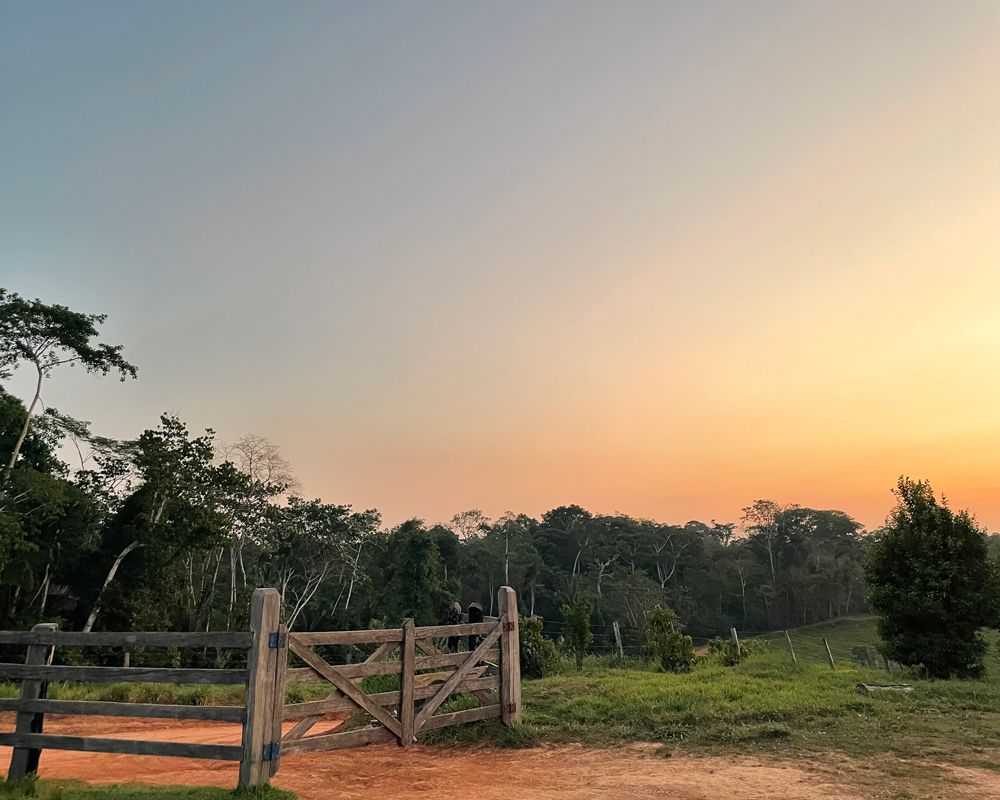
From Concept to Proof of Impact: Deploying a Pilot Project
Before scaling up, HABITAR is being implemented as a pilot initiative designed to validate both the methodology and the operational conditions required for long-term success. Working within carefully selected territories and in close partnership with seringueiro families, this initial phase will refine implementation protocols, adapt restoration practices to local realities and establish a robust monitoring framework. The lessons generated by the pilot will directly inform future deployment and the project's long-term scaling strategy.
Implementation across three priority landscapes
The project is being implemented in the Brazilian state of Acre across three priority areas:
- the Chico Mendes Extractive Reserve;
- the Cazumbá-Iracema Extractive Reserve;
- and the Campo Alegre Settlement Project (Projeto de Assentamento Campo Alegre).
These territories were selected for their environmental and socio-cultural significance, accessibility, restoration potential and exposure to ongoing deforestation pressures.
Local communities at the heart of the project
The pilot programme is supporting 64 rubber-tappers families, selected through partner cooperatives and committed to restoring degraded forest areas. Their participation is fundamental to the project's success.
Families are responsible for removing invasive vegetation, protecting restoration sites from grazing, collecting seeds, planting enrichment species, preventing wildfires, maintaining restored plots and, where necessary, providing supplementary irrigation.
Dedicated technical support accompanies each participating family throughout the process, helping ensure successful implementation while reducing the risk of project abandonment.
Restoring degraded landscapes through economically valuable species
The pilot focuses on restoring capoeira plots – secondary forest areas left fallow after short agricultural cycles. Each participating family contributes a plot of approximately two hectares, representing a total restoration area of around 115 hectares. The project targets an indicative planting density of 350 seedlings per hectare, amounting to approximately 35,000 seedlings across the pilot. Restoration activities are being carried out in two implementation phases between December 2024 and March 2026.
Enhancing Assisted Natural Regeneration with economically valuable native species
To complement natural regeneration, the project introduces a carefully selected mix of tree species with long-term economic potential–including non-timber forest products, valuable timber species and perennial crops. This enrichment strategy is designed to generate sustainable sources of income while strengthening local support for restoration among participating families and partner cooperatives.
The selected species combine key structural components of Amazonian forests with species offering recognised commercial or subsistence value. They include rubber (Hevea brasiliensis), Brazil nut (Bertholletia excelsa), jatobá (Hymenaea courbaril), cumaru (Dipteryx odorata), ipê (Handroanthus albus), copaíba (Copaifera langsdorffii), mahogany (Swietenia macrophylla), amarelão (Buchenavia tetraphylla), native cacao (Theobroma cacao), native açaí (Euterpe precatoria) and Spanish cedar (Cedrela odorata).
Payments for Ecosystem Services: creating long-term incentives for restoration
Restoring degraded land requires significant investments of both time and labour while limiting alternative land-use opportunities. To address these constraints, HABITAR incorporates a Payment for Ecosystem Services (PES) mechanism – implemented here as a Payment for Restoration Services (PRS) – to compensate participating families for both:
- restoration costs, including labour, fencing and site maintenance;
- opportunity costs associated with foregoing alternative land uses.
Payments begin during the first year of implementation and are designed to provide long-term financial support until economically valuable species begin generating income – typically after four years.
By reducing the economic risks associated with restoration, the mechanism helps align conservation objectives with the financial realities faced by rural households.
Monitoring and evaluation: measuring outcomes, generating knowledge and improving practice
The monitoring framework is designed to assess both implementation performance and long-term project impacts. On the one hand, it evaluates whether restoration commitments have been fulfilled and planned activities effectively implemented. On the other, it measures the broader environmental and socio-economic outcomes generated by the project, including biodiversity recovery, carbon sequestration, soil health and community resilience.
To achieve this, the programme combines field-based monitoring with satellite remote sensing, establishing a robust baseline against which changes can be measured over time while generating the evidence required to continuously refine restoration practices.
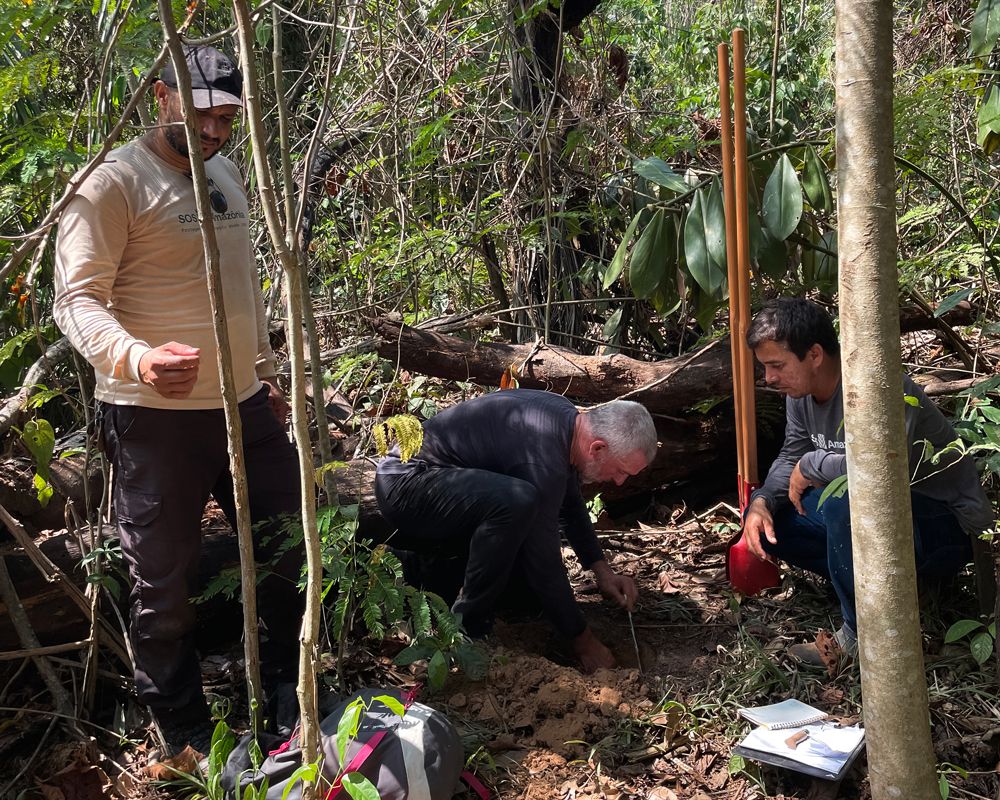
Reforest'Action's Contribution: Measuring Impact and Enabling Scale
Reforest'Action supports the HABITAR project as a strategic partner across two complementary dimensions.
Building a robust, scalable and replicable monitoring framework
One of the project's key ambitions is to develop field-based monitoring methodologies for environmental and socio-economic indicators–including biomass, biodiversity and soil health–that are both scientifically robust and operationally scalable. These methodologies are intended to support future expansion from 64 participating families to several thousand, and from 115 hectares to landscape-scale restoration programmes.
Reforest'Action also contributes to identifying sufficiently robust correlations between field measurements and remote sensing indicators, enabling monitoring systems that remain scientifically credible while becoming increasingly cost-effective at scale.
Supporting an economic model grounded in local realities
Beyond technical expertise, Reforest'Action contributes to strengthening the project's economic model. Its role includes supporting the design of performance indicators, contributing to project evaluation, providing independent technical review of restoration methodologies and implementation strategies, and preparing the conditions required for future scaling with partners pursuing comparable landscape restoration ambitions.
Through the HABITAR project, which Reforest'Action is supporting alongside VEJA and SOS Amazonia in Brazil, the ambition is twofold. From an environmental perspective, the project seeks to restore degraded land, enhance biodiversity, contribute to carbon sequestration and reduce pressure on primary forests by helping rebuild functional landscapes. From a socio-economic perspective, it aims to strengthen the livelihoods of participating families, promote forest-compatible economic activities and reinforce a value chain that delivers fairer remuneration for seringueiros. As such, the pilot is intended to demonstrate that nature-based restoration can become a powerful driver of long-term territorial resilience by reconciling conservation with sustainable development.
More broadly, HABITAR contributes to a wider reflection on a fundamental question: how can restoration be implemented in ways that are both effective, measurable and socially equitable, while strengthening the economic value chains that make standing forests economically viable?
By combining a low-intervention restoration model based on Assisted Natural Regeneration (ANR), a long-term incentive mechanism through Payments for Restoration Services (PRS), and a rigorous monitoring framework integrating both field observations and satellite remote sensing, HABITAR offers a practical pathway towards reconciling ecosystem conservation with community resilience.
Over time, the lessons generated by the pilot may help inform larger-scale restoration initiatives across the Brazilian Amazon, supporting more resilient landscapes and the communities that depend on them.