

 Toute l'actualité
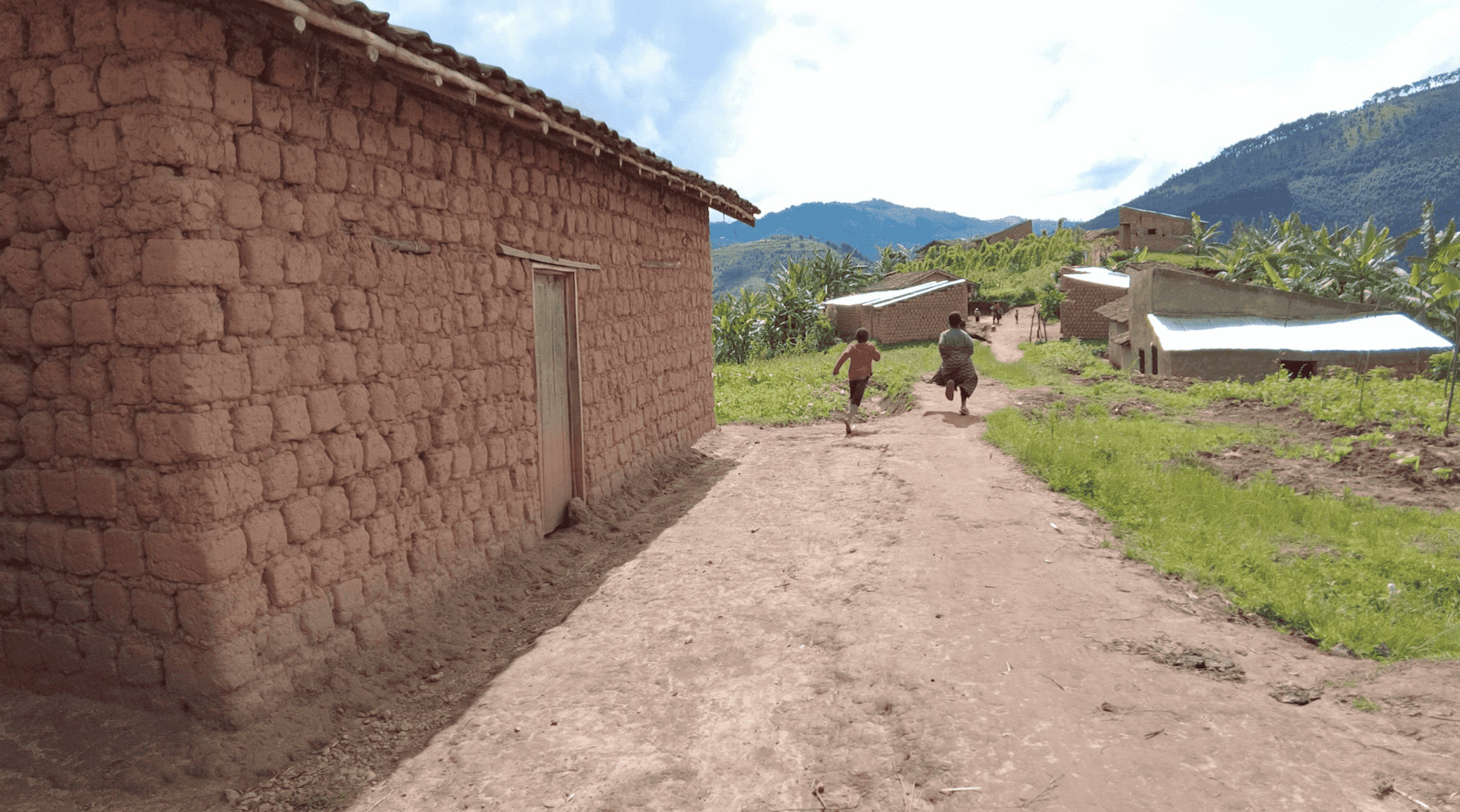
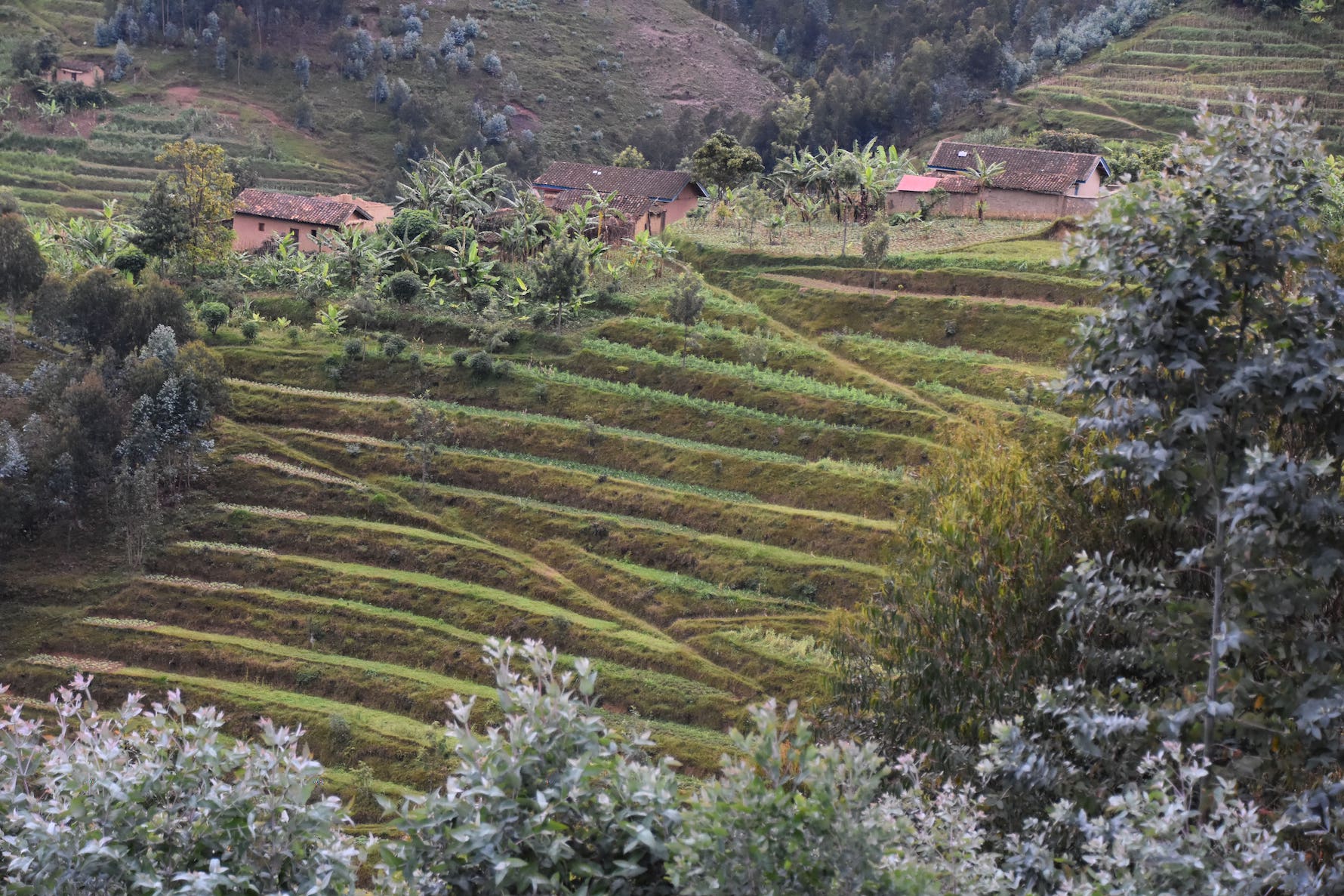
The pilot phase of the MuLaKiLa project in Rwanda was officially launched on March 23, 2023, during a special event in Kigali. Anchored in the lush landscape of the Mukura Forest and Lake Kivu in western Rwanda, this community-based landscape restoration initiative aims to establish sustainable agricultural practices on eroded soils. By integrating various tree species into farmers' crops, the objective of the MuLaKiLa Project is to improve families' resilience in the face of climate change. To achieve this goal, local communities have been involved and consulted from the outset of the project and are already key stakeholders. While the environmental aspect may seem dominant, major socio-economic benefits will emerge from this multi-stakeholder cooperation.
The project, implemented by the Albertine Rift Conservation Society (ARCOS) in collaboration with the Rwandan government and in partnership with Reforest'Action, is part of the Circular Bioeconomy Alliance. AstraZeneca, a CBA member company, enabled the launch of the MuLaKiLa Project by financing its pilot phase.
A project shaped for and by communities
The project design is based on participatory approaches. To carry them through, it is necessary to consider the economic and social context of Rwanda and its 13 million inhabitants. As the second most densely populated country in Africa, more than half of Rwandans live below the international poverty line of $2.15 a day. In light of these realities, the environmental value of sustainable agricultural practices cannot stand on its own when it comes to engaging people. That is why the MuLaKiLa Project makes social issues a major pillar. The integration of agroforestry, native and fruit species into the agrosystems of local farmers is aimed first and foremost at improving their food security. Indeed, restoring 20,000 hectares of degraded land through the plantation of about 4 million indigenous and exotic trees will help restore its fertility, leading to increased agricultural productivity. Only concrete and solid solutions that will enable the population to become more resilient to climate change will ensure that the project is accepted and understood by all local stakeholders.
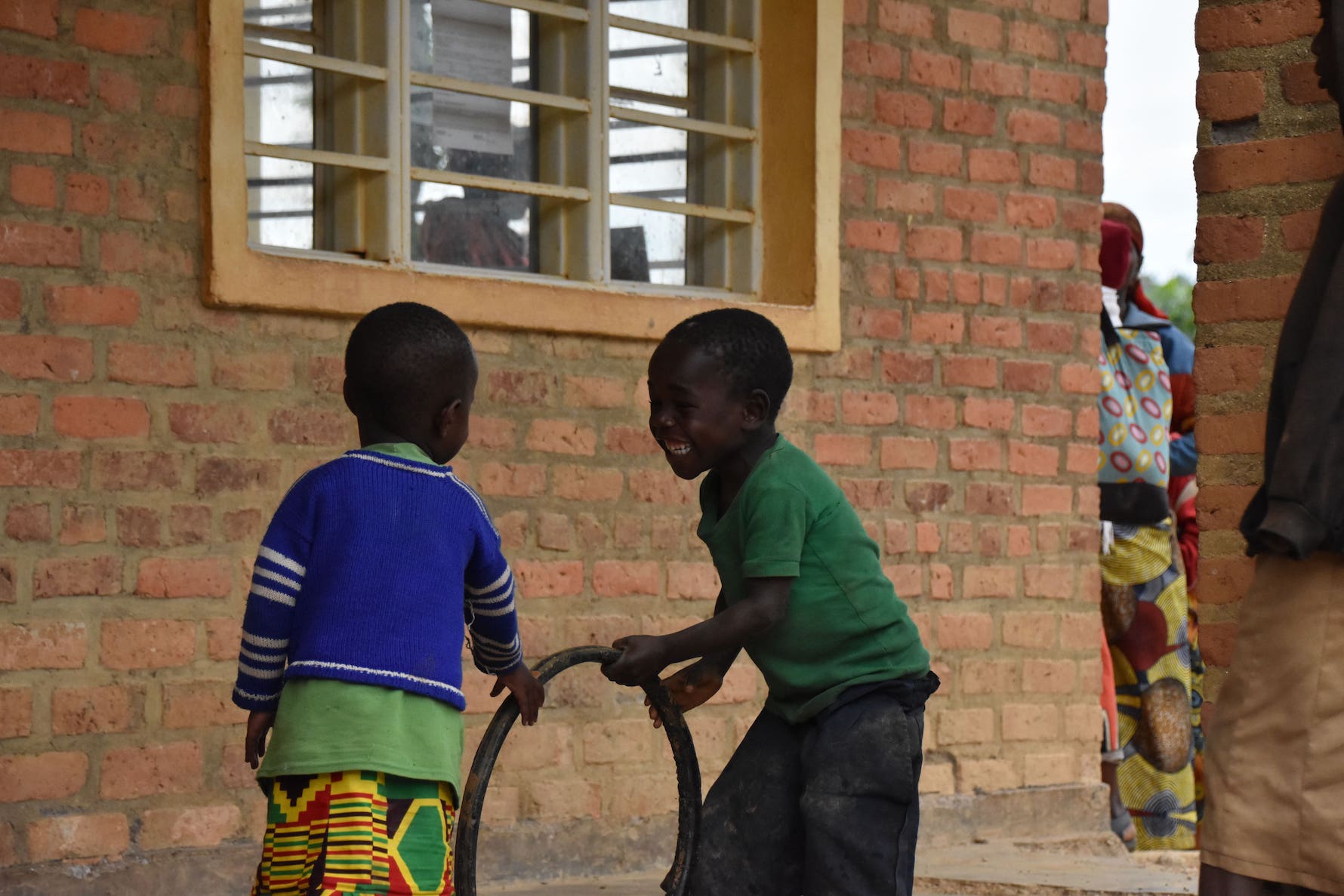
To reaffirm their commitment to the project and its 30-years implementation, sustainability agreements were signed between the farmers, the project leader ARCOS and the local authorities.
The inclusive ARCOS approach: BEST
ARCOS has extensive experience in similar projects and uses an integrated approach that promotes collaboration between stakeholders, long-term community involvement, its empowerment and its active participation throughout the process. This innovative approach, known by the abbreviation "BEST", is based on four pillars. These are: (1) building sustainable institutions, (2) strengthening environmental resilience, (3) sustainable business solutions and (4) transforming and inspiring others. To ensure the mobilization of all project participants, they will receive training in the "BEST" approach devised by our partner in the field.
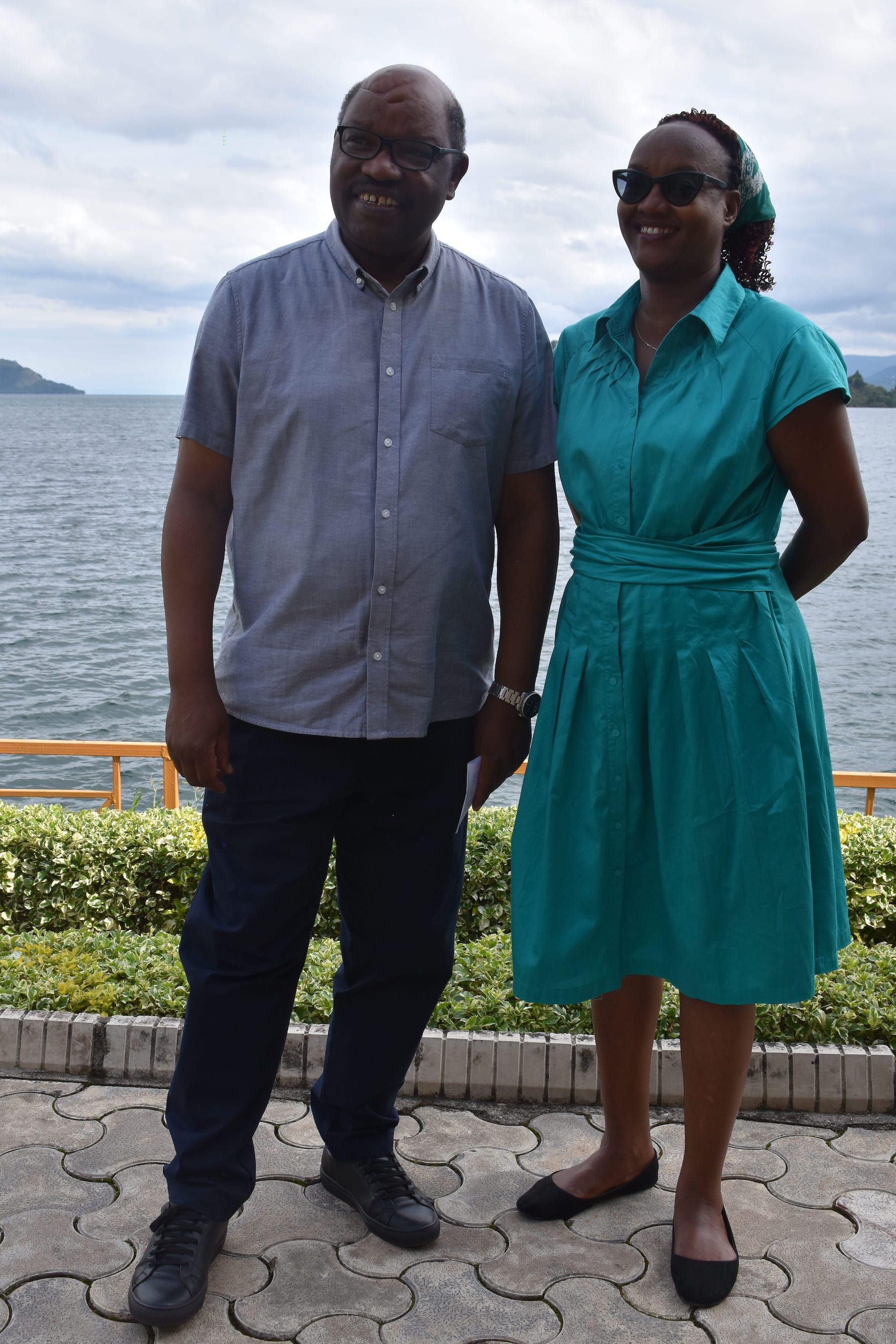
ARCOS also promotes the principle of "Leave no One Behind" (LNOB). In line with this maxim, the organization has taken the initiative to establish "administrative cells", which constitute real transformation units and local levers for action. The MuLaKiLa Project will operate in 40 administrative cells (each comprising 10 villages) within the Rutsiro and Ngororero Districts. In practice, this territorial vision will enhance effective, transparent, and inclusive collaboration, hand in hand with communities.
Mobilizing development mechanisms
Alongside agricultural actions, various financial mechanisms and other economic incentives will be put in place to increase and diversify people's incomes.
Friends of Nature Associations (FNAs)
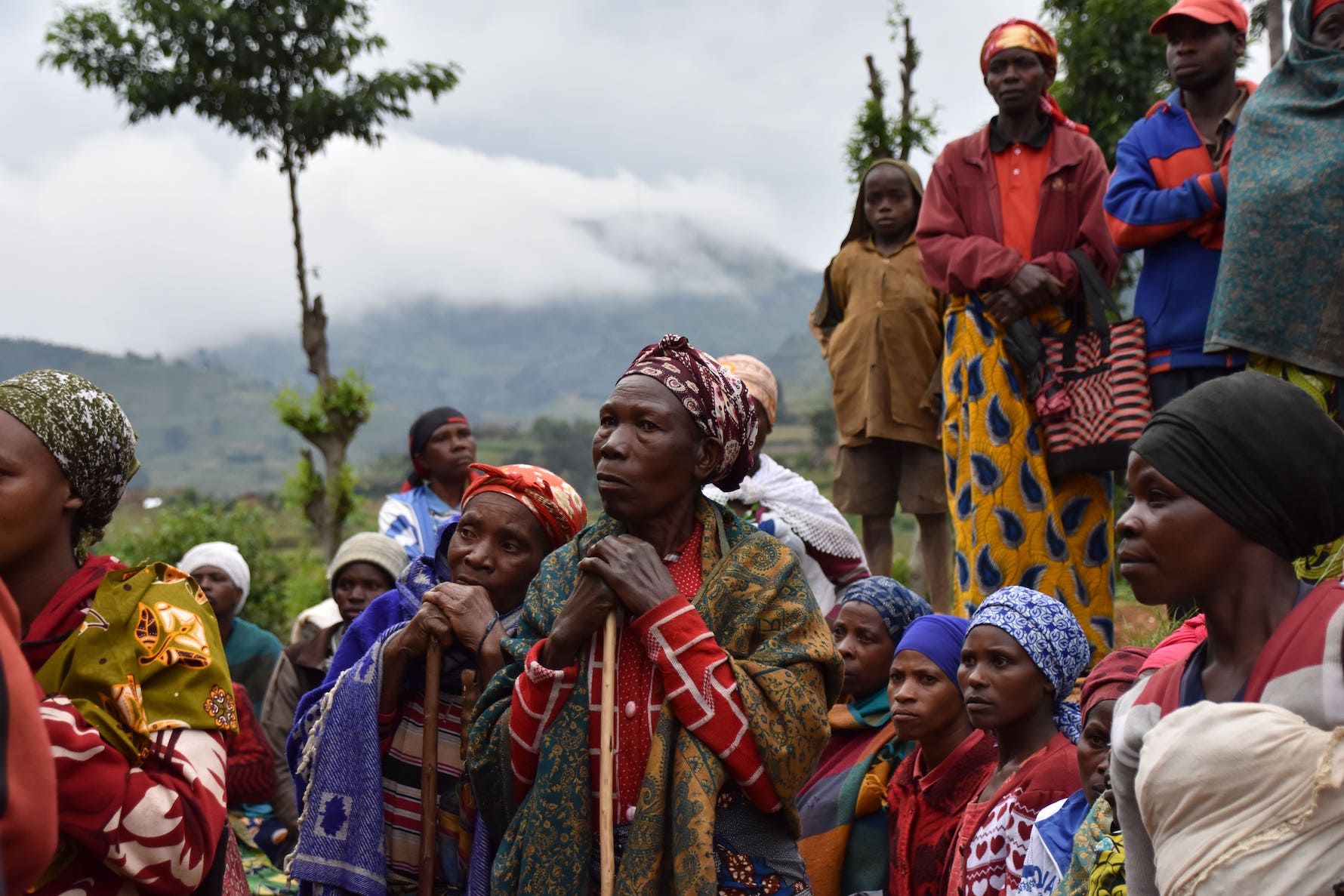
To mobilize and involve farming families in the project, a network of over 1,300 community groups, known as "Friends of Nature Associations" (FNAs), will be created. Each FNA will then be integrated into one of the 40 administrative cells.
Within these micro-societies, everyone will have a role to play, particularly in terms of knowledge dissemination. For example, the "Community Extensionist Officer" (CEO) will receive training on a wide range of technical and economic subjects, such as farm management, forestry, implementing a climate action project or managing savings. This knowledge will then be disseminated via "Community Environmental Advisors" (CEAs) organized in pairs consisting of a young person and a farmer from the same village. Using the same approach, the CEAs will also train other farmers in tree planting and tree maintenance.
More training workshops will be organized to develop additional skills within the communities, and enable them to fully participate in the project: horticulture, sustainable land management (creating terraces, no-till, composting, etc.), nursery maintenance and management, sustainable wood harvesting, etc. In addition, sessions dedicated to sustainable business management will be provided to further empower participants.
A network of local cooperatives
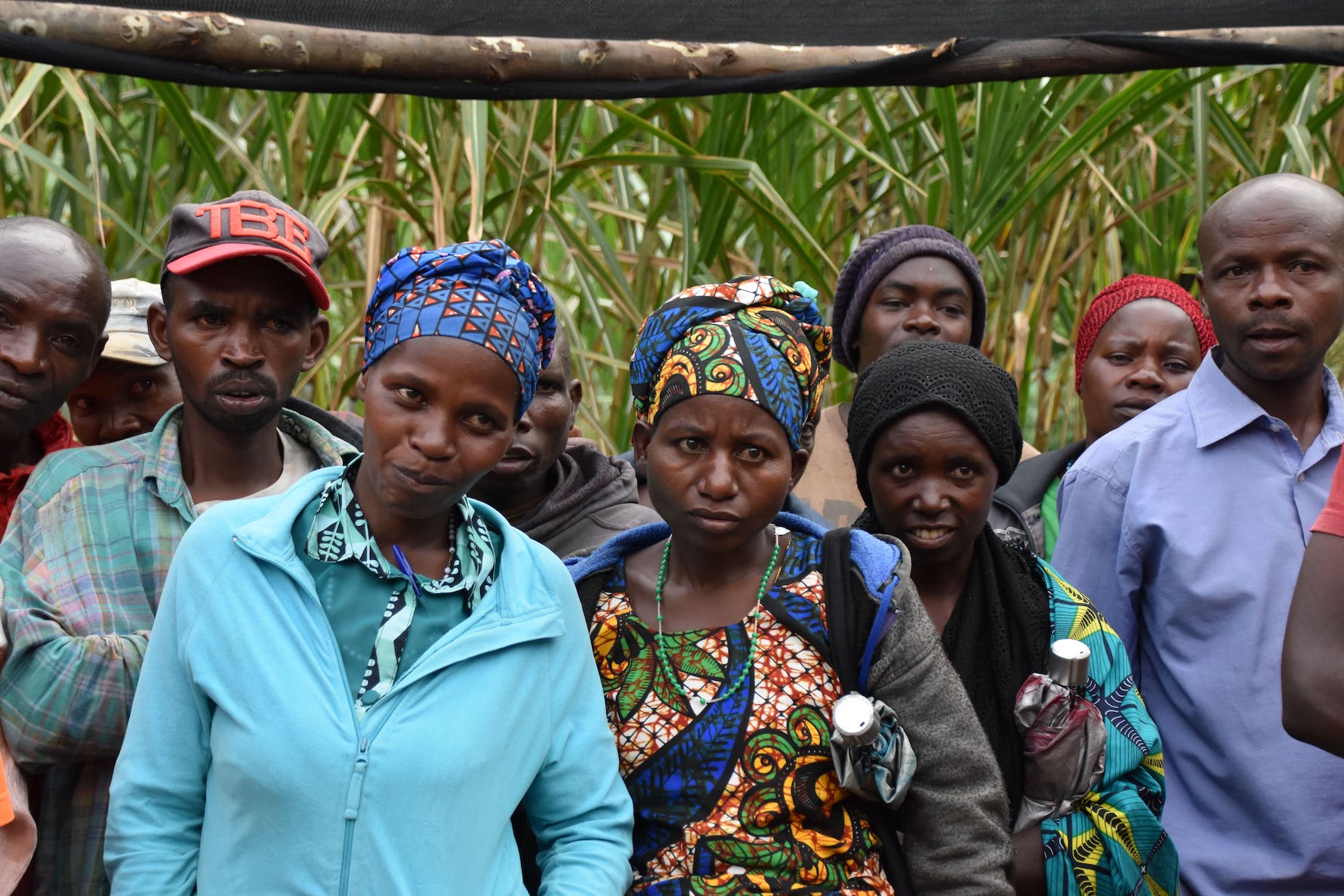
With the aim of improving and diversifying farmers' incomes, the mix of tree species planted in agroforestry takes into account the demand on locally established supply chains, for local consumption or for the export market. To facilitate access to regional markets by community groups, independent farmers will be encouraged to organize themselves in the form of cooperatives, which will make it easier to trade with local agro-industrial companies. The nurseries will be managed by the cooperatives thus formed, in order to strengthen their business model and guarantee the viability of the project.
A Community fund for nature conservation
Village Savings and Credit Associations (VSLAs), or "Umusave Funds" in Kinyarwanda, will be set up in each administrative unit. A revolving community fund, replenished after each withdrawal, will be managed by the communities themselves, with technical assistance from ARCOS and local authorities. Accessible to all VSLAs, this incentive mechanism is designed to provide easier access to financing, with the aim of promoting sustainable agricultural growth. The seasonal nature of farming activities puts people in difficulty during non-harvest periods. To mitigate the impact of seasonality on income generation, the community fund will encourage savings and productive investments, and enable the development of micro-projects through the granting of small loans. Ensuring the financial viability of communities is the only way to guarantee their long-term commitment.
Establishing meaningful dialogue with communities
While the organization of communities and the management of their revenues are fundamental, the establishment of a peer-to-peer dialogue is the foundation of a healthy and balanced relationship.
Conducting focus groups
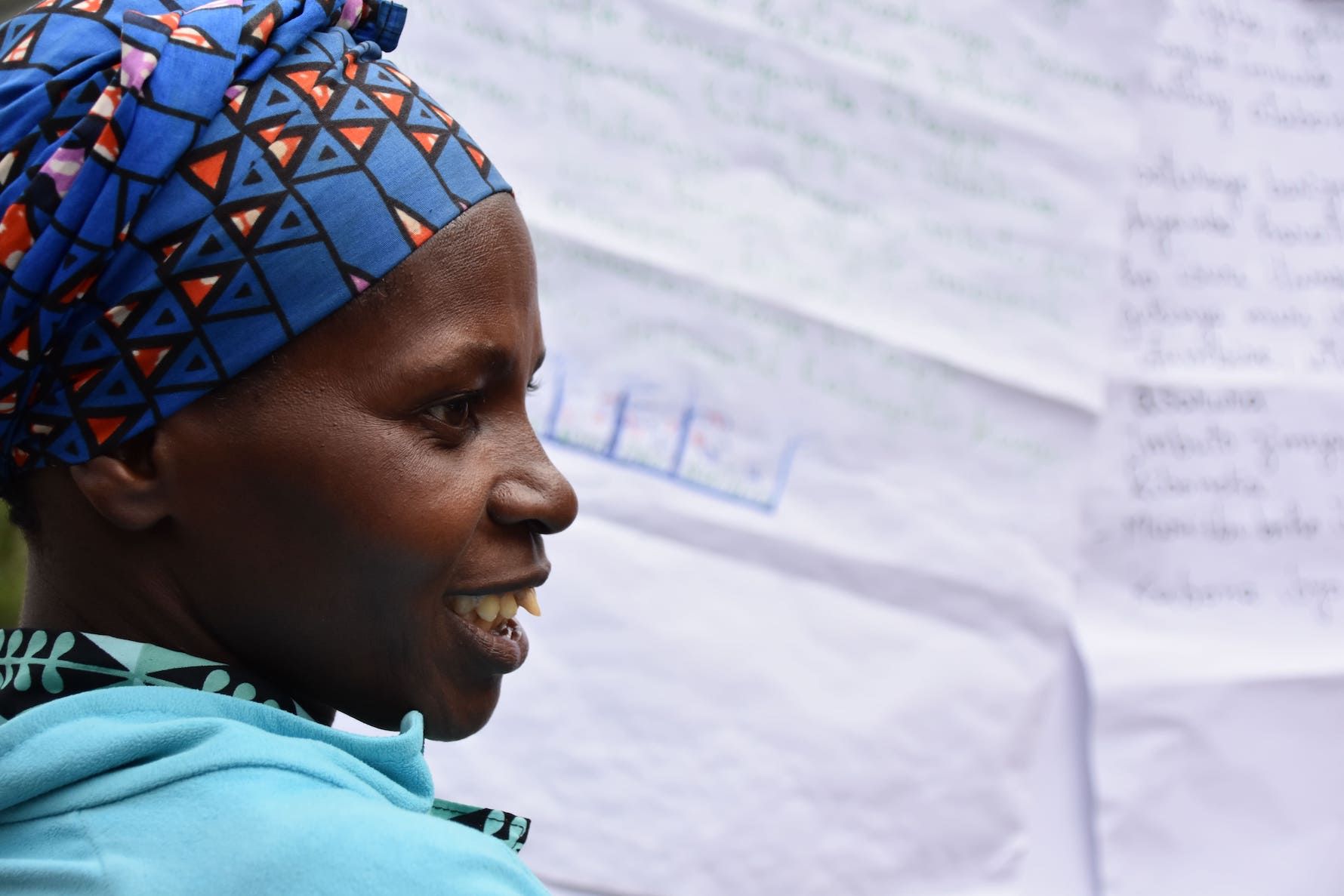
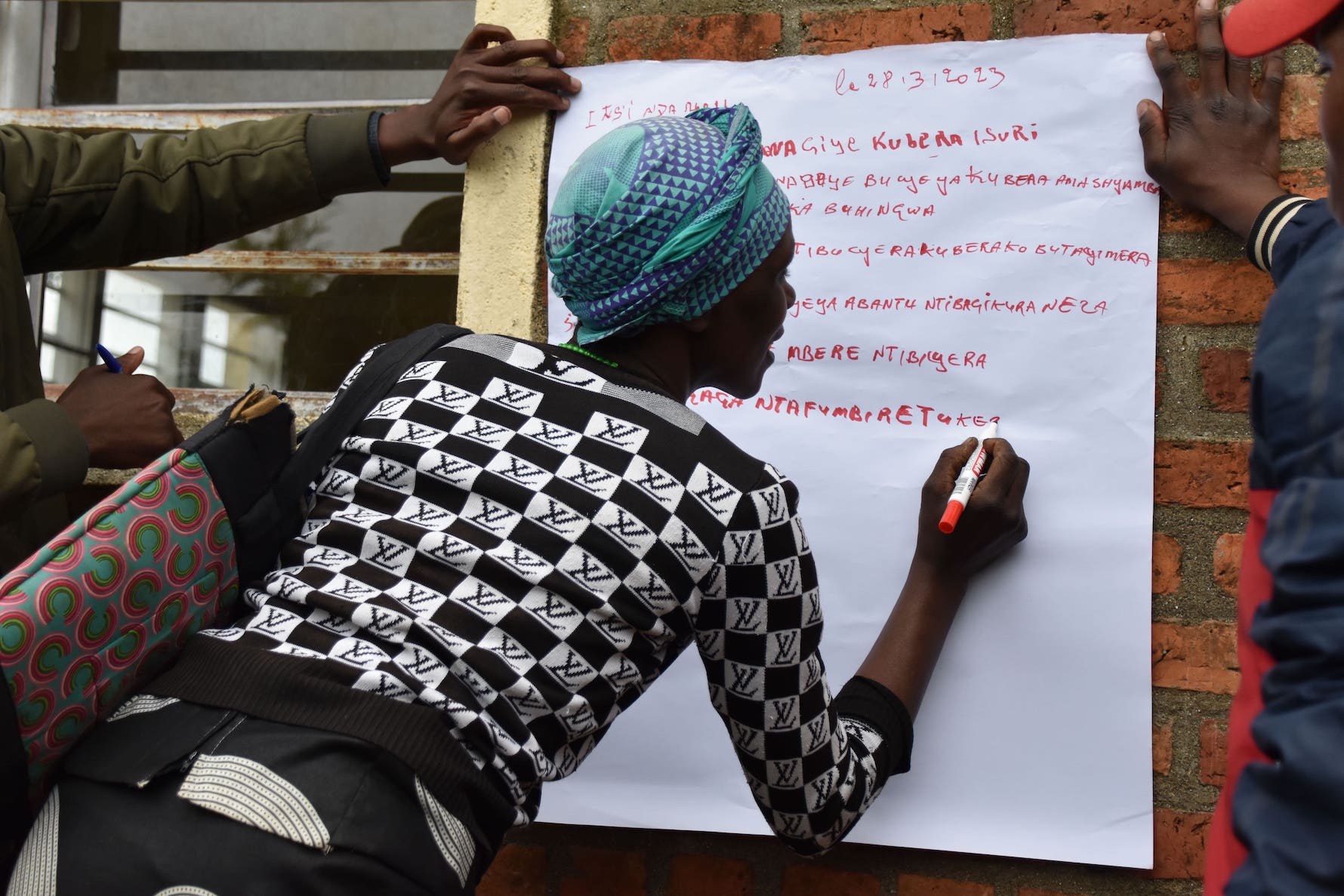
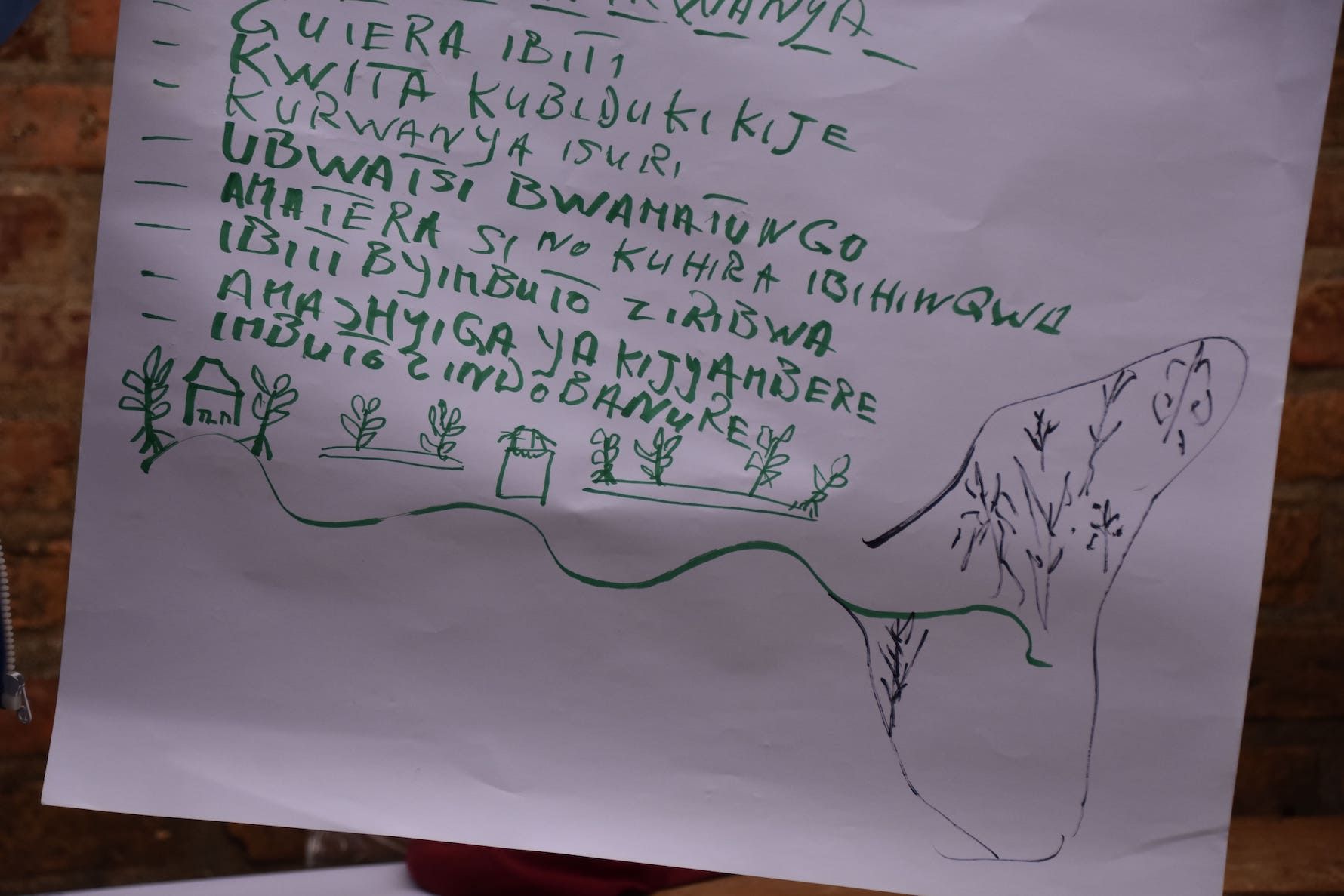
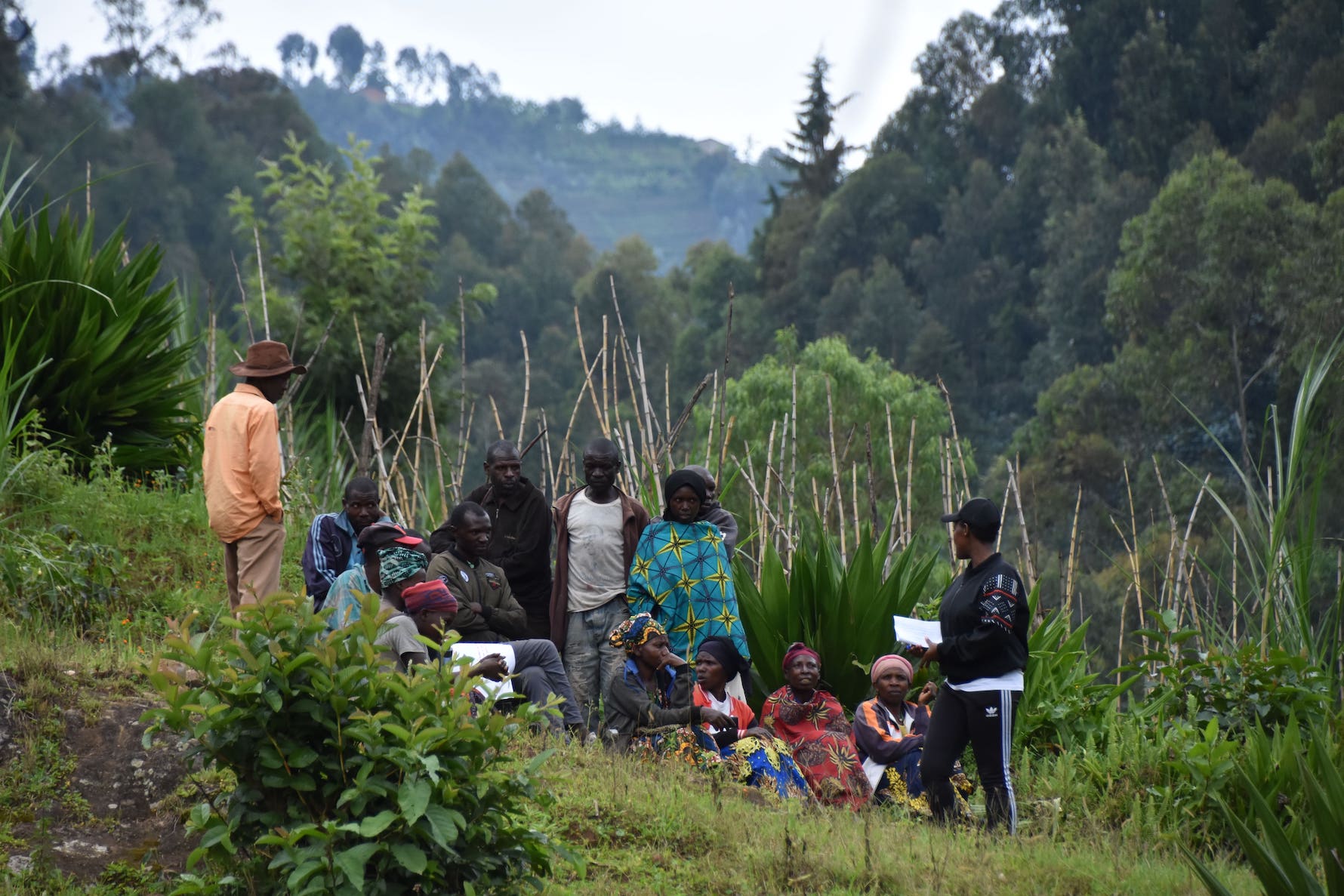
Because there's no question of delivering a "ready-to-use" solution and imposing a way of doing things on the villagers, sharing sessions were organized in March 2023 between the ARCOS and Reforest'Action teams and members of the communities associated with the project. Through the conduct of focus groups, the idea was to get to know the communities, their way of life, their way of using the landscape, but also to understand the challenges they are currently facing. Transcripts of all the discussions made it possible to draw up a list of community needs and expectations, which will be considered in the project's design.
Setting up an incentive system
To motivate and reward participating communities, ARCOS and Reforest'Action jointly suggested the implementation of an incentive mechanism. In return for their commitment to the project's sustainability, notably through the maintenance and monitoring of planted trees, villagers will receive a number of benefits in kind: livestock, fruit trees, cooking stoves, etc. These incentives are even more justified as they will help to improve the living conditions of the local population, while ensuring that the project runs smoothly over the long term.
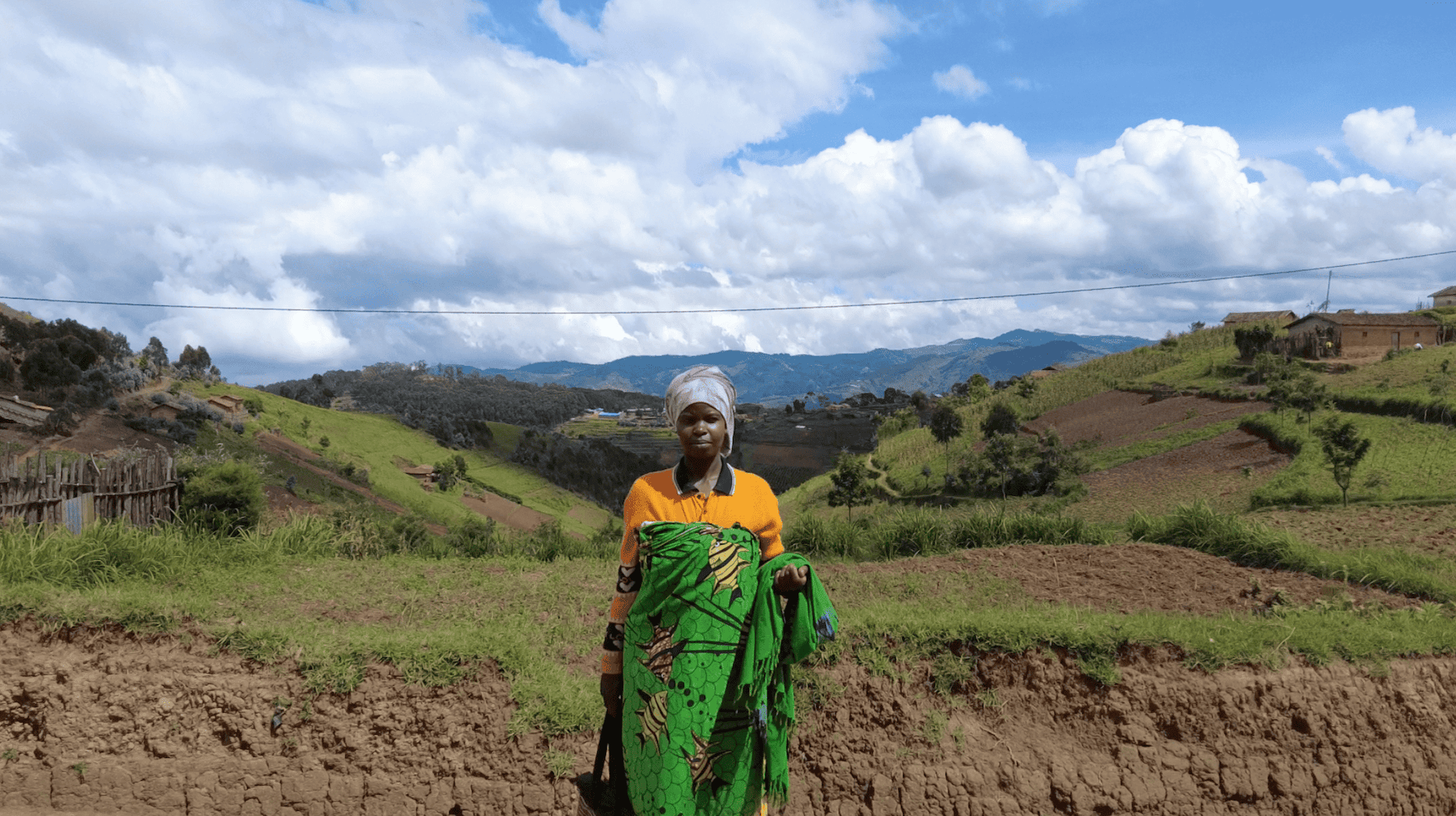
The MuLaKiLa project is one of the largest community landscape restoration projects in Rwanda, supported by a panel of local and international stakeholders. Founded on the values of solidarity, equity and autonomy, the collective action promoted by this initiative is designed to generate measurable socio-economic impacts for the benefit of farming communities across the country's Western Province.