

Anse-D'Ainault - Haiti
Agroforestry
In southern Haiti, Reforest'Action and Kaléos are working together to finance and implement a project to plant and promote organic cocoa.
 2018 - 2019
 Financé

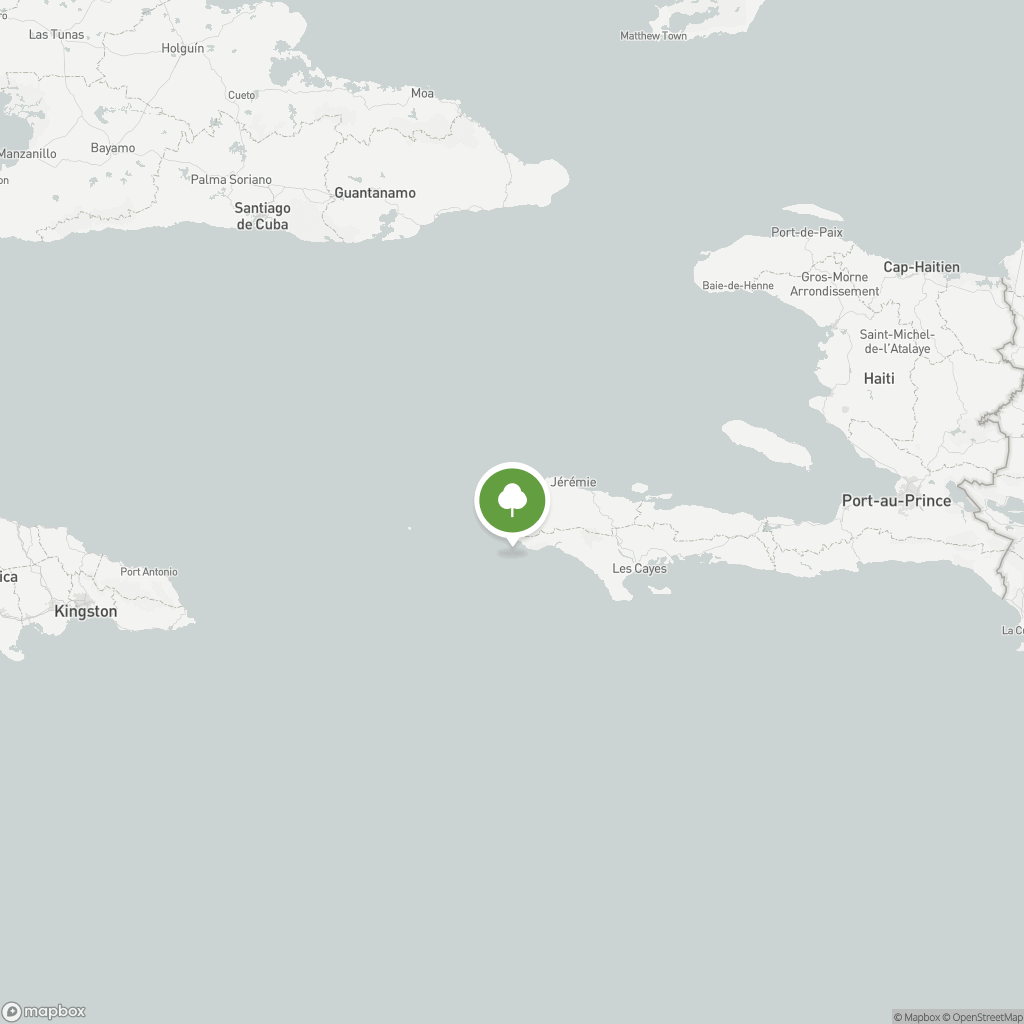


In 1920, 60% of Haiti's territory was covered by forest, compared with just 2% today, making it one of the 30 least forested countries in the world. The massive loss of forest cover is mainly due to the production of charcoal, the main source of energy for the population. This leads to soil erosion, worsening droughts and, finally, desertification, which in turn increases pressure on the trees still standing. On October 4, 2016, Hurricane Matthew swept across the southern strip of Haiti, and the violence of the winds caused considerable damage to the forest ecosystem and crops. The project thus affects nine localities in Haiti's southern department severely affected by Hurricane Matthew, near Macaya National Park, in order to reforest these weakened lands.
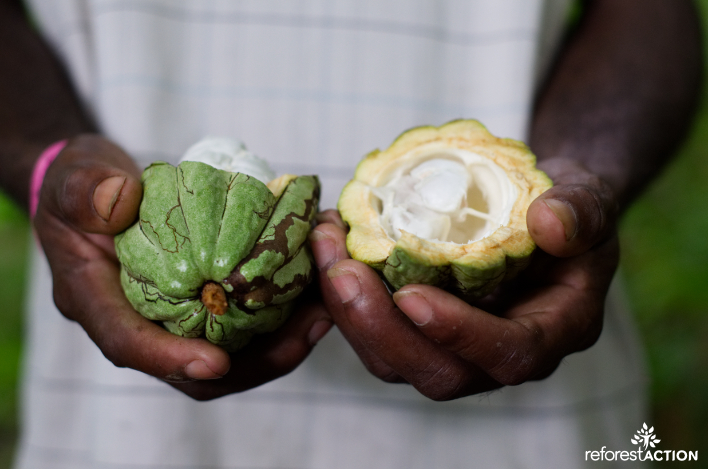
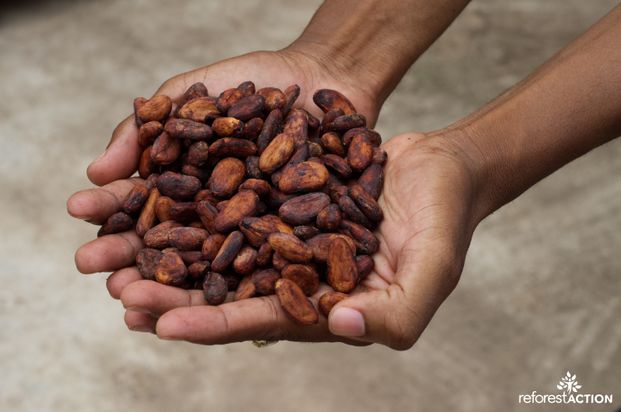
The project, based in the south of the island, focuses primarily on organic cocoa production. Distinct from traditional channels, the organic cocoa production and export chain that Reforest'Action supports through Kaléos consists of supplying cocoa plants free of charge to producers in Grand'Anse and Nippes, so that they can plant them on their own land. Once mature, the chain then buys back the beans at a certified fair price, ferments and dries them, and finally sells them at the end of the chain, directly on the international market, without any intermediaries. This project will enable sustainable income to be multiplied on a large scale for producers in southern Haiti. This income will enable a real change in preconceived ideas. By producing organic cocoa, Haitian farmers will be able to turn away from charcoal production, the primary cause of deforestation in Haiti. What's more, the income generated by the production and sale of this cocoa will help combat the rural exodus to the capital, Port-au-Prince. Indeed, the income from organic cocoa will sustainably improve family living conditions and food security. The money will help finance school fees and educational materials for the children, thus helping the population to stay in their region. Moreover, the project also has a strong educational dimension, with the establishment of an educational tree nursery in high schools, secondary and primary schools. The aim is to get schoolchildren involved in reforestation, to make them aware of the benefits of trees, and to make them the first defenders and ambassadors of the forest. In addition to the installation of tree nurseries in schools, selected students from nine primary and secondary schools in Les Cayes will carry out the project throughout the year. Finally, as part of an initiative to raise young people's awareness of the challenges and benefits of trees and forests, several hundred high school students will receive young cocoa trees each year, which they will plant in family plots. The upkeep of their trees, monitored by their school's steering committee, will earn them points on their school report. After a few years, the income from the cocoa sold will help them finance their studies.