

Agneby Tiassa - Ivory Coast
Agroforestry
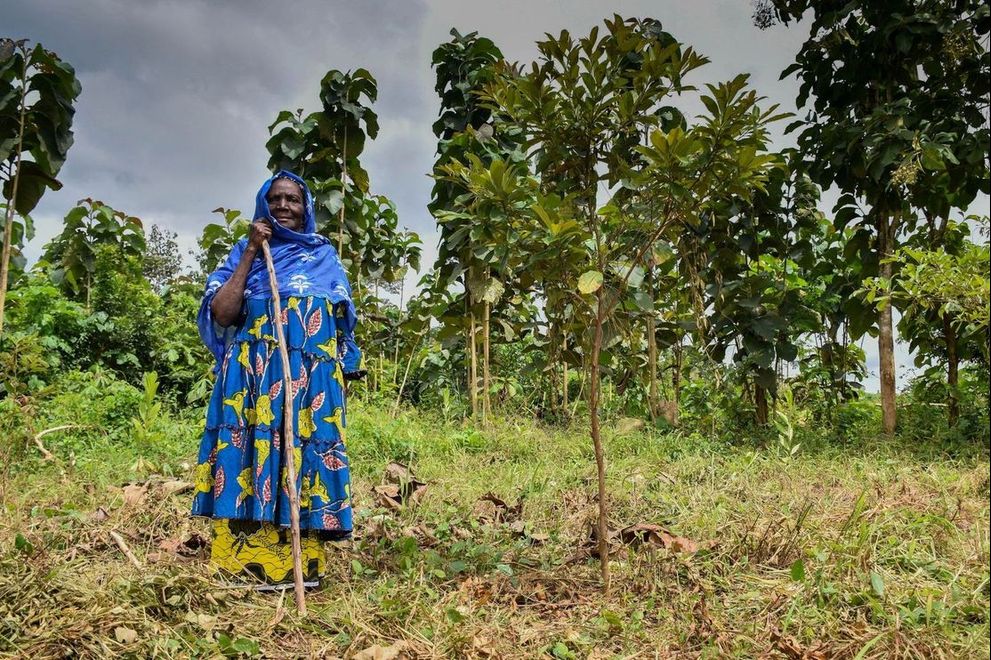
Reforest'Action is partnering with the Ivorian company Agro-Map to support cocoa farmers in the Séguié forest in restoring the forest and creating agroforestry systems, which will allow them to reconcile the trees with their crops.
 2019 - 2020
 Financé


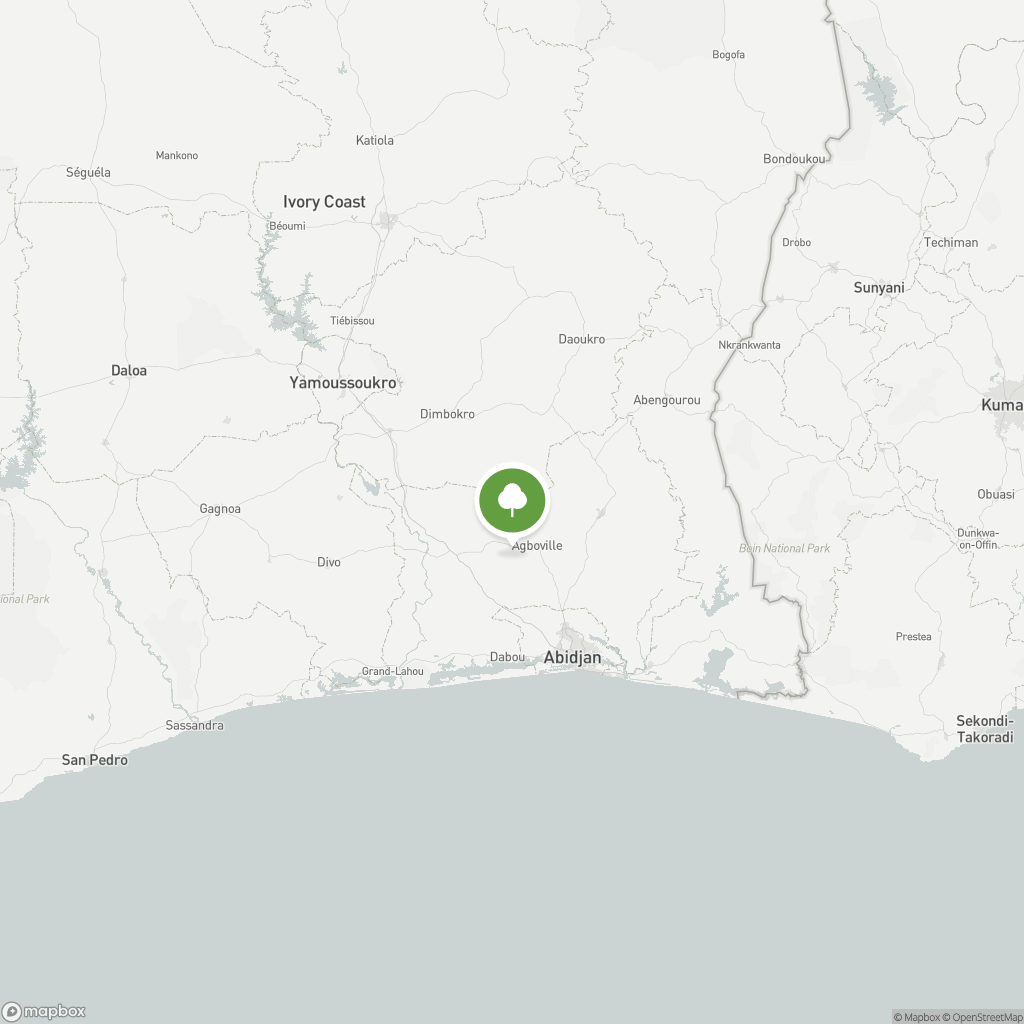
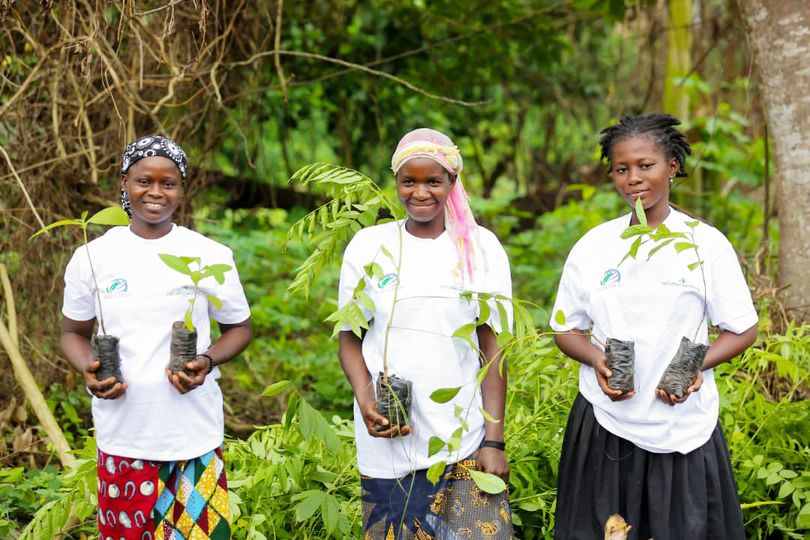

Deforestation in Ivory Coast, if not halted, could lead to the total disappearance of the country's natural forest cover within the next twenty years. The 234 classified forests in the country, including the Séguié forest in the Agnéby-Tiassa region, where our project takes place, have lost more than 70% of their forest cover in half a century. This is due to extensive agriculture and cocoa production, which have gained ground on the primary Ivorian forests, and the unsustainable exploitation of these forests to meet the growing need for firewood. This loss of animal and plant biodiversity is now causing climatic changes throughout the region, in particular a reduction in rainfall and the appearance of increasingly long periods of drought, which often have a fatal effect on the crops of local communities.
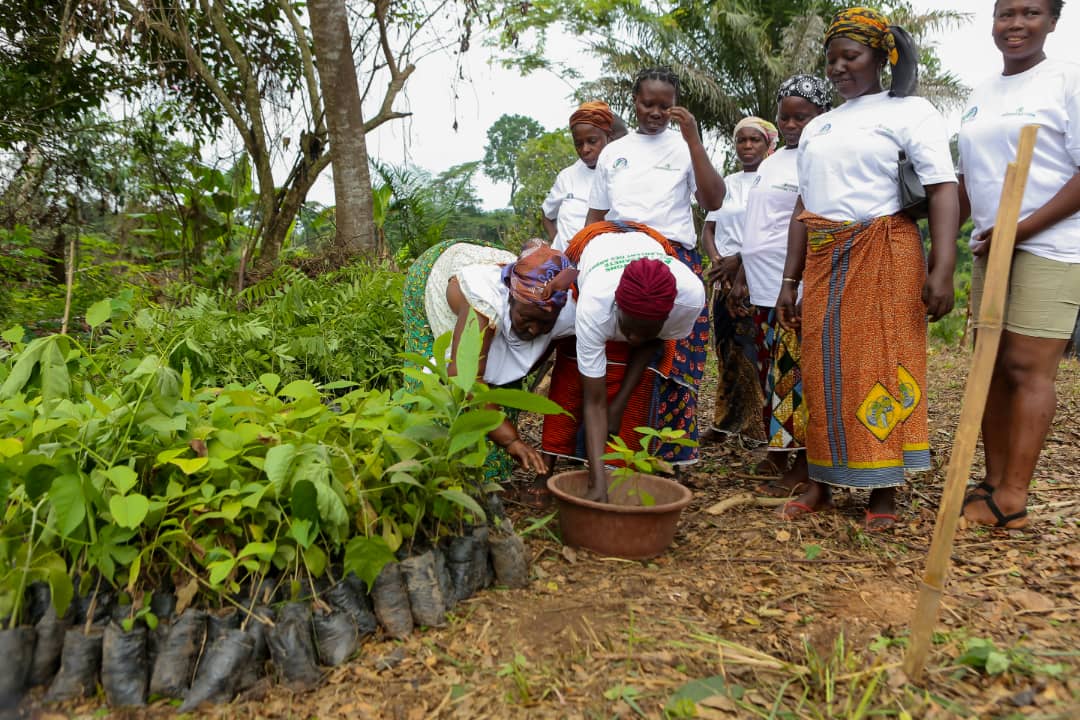
The tree plantations, carried out with funding from Reforest'Action and technical support from Agro-Map, are taking place on portions of land scattered throughout the Agnéby-Tiassa region. These plots of land, ranging from 1 to 3 hectares in size, belong to local producers and are fully integrated into their farming systems. These communities are involved in a number of actions, including the restoration of forest patches located near the Séguié classified forest and the creation of agroforestry systems by planting trees in their coffee and cocoa fields. In parallel with the plantations, Agro-Map is implementing a programme to educate local communities about forest protection and the sustainability of the agroforestry systems that have been set up.
Agro-Map is an Ivorian company specialising in the development of sustainability projects in the agricultural, forestry and environmental fields. Its objective is to reconcile agriculture and forestry in order to maintain a microclimate favourable to the development of agriculture. The Agro-Map team is in constant contact with farmers and builds strong partnerships with local communities.