

Lamas - Peru
Forest restoration and creation
Reforest'Action is partnering with the CIGDES to support small landowners in implementing agroforestry systems.
 2022 - 2023
 Financé


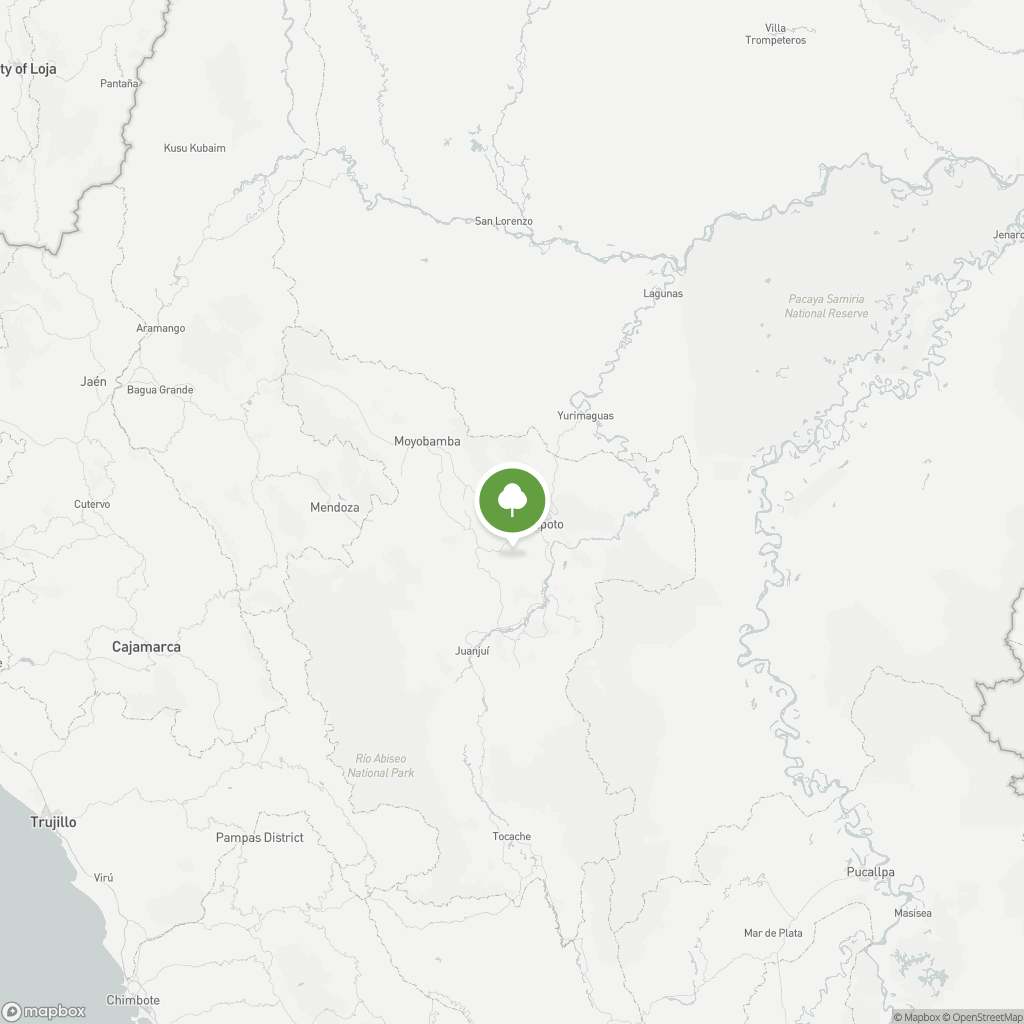


Plot farming in Peru represents the first cause of deforestation, being practiced both by small family farmers and by national and international agribusinesses. Northwest of the country, in the heart of the Peruvian Amazon, most of the land of the Lamas, San Martín and El Dorado provinces have been converted into crops and pastures, at the cost of the primary forest that used to take root in the area. Local farmers have been abandoning their plots of land whose overexploited soil had lost fertility. The abandoned farmlands are now largely covered by an invasive fern species. These degraded areas are also particularly prone to fires, which are very common in the Amazon during the summer. Like a vicious circle, these phenomena worsen the degradation of the already weakened soils and decrease water resources.
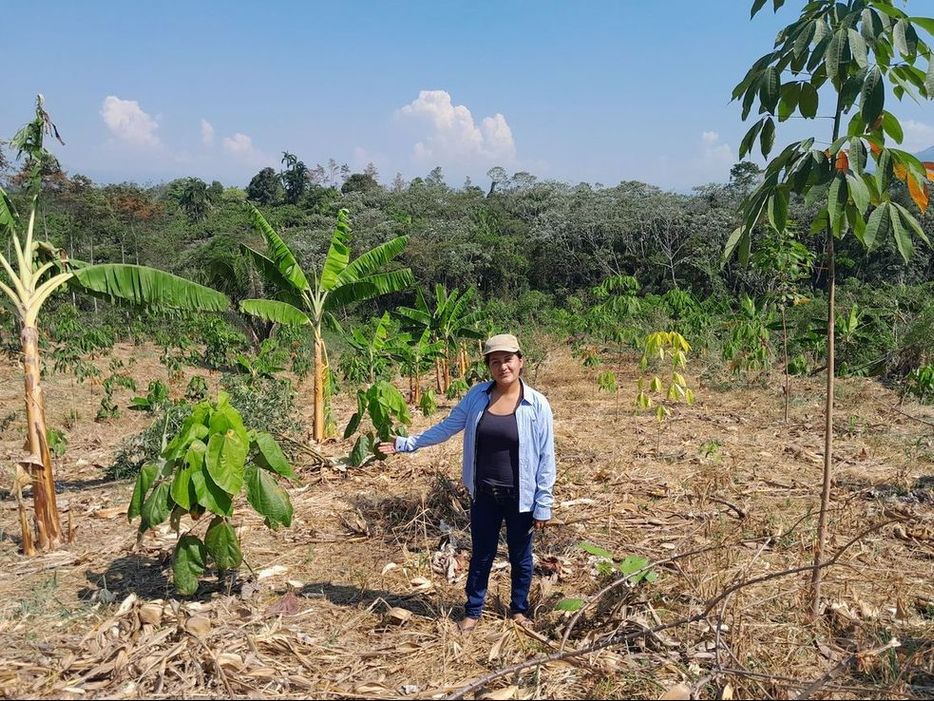
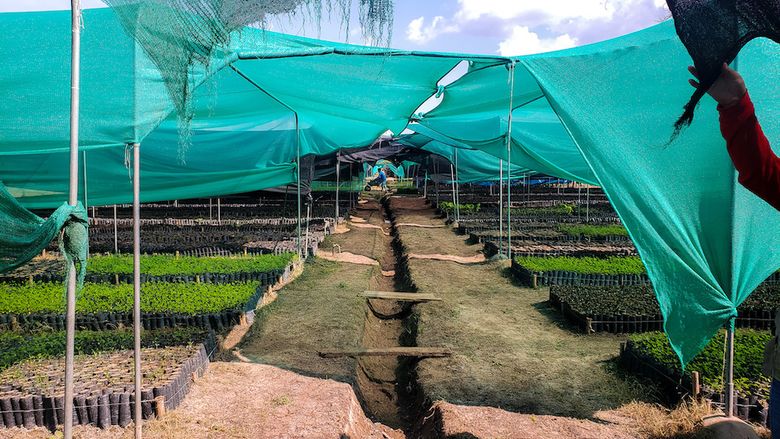
The project aims at implementing agroforestry systems on private parcels to restore these degraded ecosystems and support the implementation of sustainable practices among the population. In total, six species are introduced as part of the project: productive species (hevea, majambo and Mayan walnut) and leguminous trees (leucaena, guaba, algarrobo, etc). Planted in agroforestry as part of a multi-stage forest system, these various species will develop rapidly, even on the region’s poorly fertile soils. In terms of ecosystems, the project will improve the condition of the soil as well as the flow of micro-watersheds. It will also contribute to reduce water and wind erosion, increase wildlife habitats, and ensure the continuity between different forest covers. Besides its environmental impact, the project includes a significant social component. Expected socio-economic benefits include improved food security for producer families. The agroforestry systems created as part of the project are made up of various productive species, including fruit trees, beans, and peas. These food products will be harvested by the landowners and used for personal consumption or sold. Another benefit of restoring the land by integrating trees is that it makes the soil cultivable and fertile again. Some farming families have already started growing fruit and vegetables (bananas, beans, manioc, etc.), which are the basis of their diet, in the shade of the trees planted in 2021. In the long term, some tree products will help to revive a local, sustainable economy. Indeed, the species planted in agroforestry will provide high-value raw materials, such as latex produced from rubber tree bark, Mayan walnut seeds, and majambo pods, which contain white, almond-flavored beans.

The Center for Innovation and Sustainable Management (CIGDES) is a Peruvian NGO founded in 2020. On the spot, the organization favors the development of agroforestry projects based on the introduction of non-timber and fruit indigenous tree species. Since its creation, the CIGDES has managed to plant over 10 million trees. The NGO works hand in hand with several national and international actors involved in the restoration of forests and the implementation of agroforestry systems such as the US AID.