Projets / Thessalonique, Greece
2021-2022
Thessalonique, Greece
The Thessaloniki forest is located in Italy, to the northeast of the city, and covers a very hilly area of 3,000 hectares.
Assisted natural regeneration Financé
9 000
Arbres

6
Surface (ha)
4
Essences
Résumé du projet
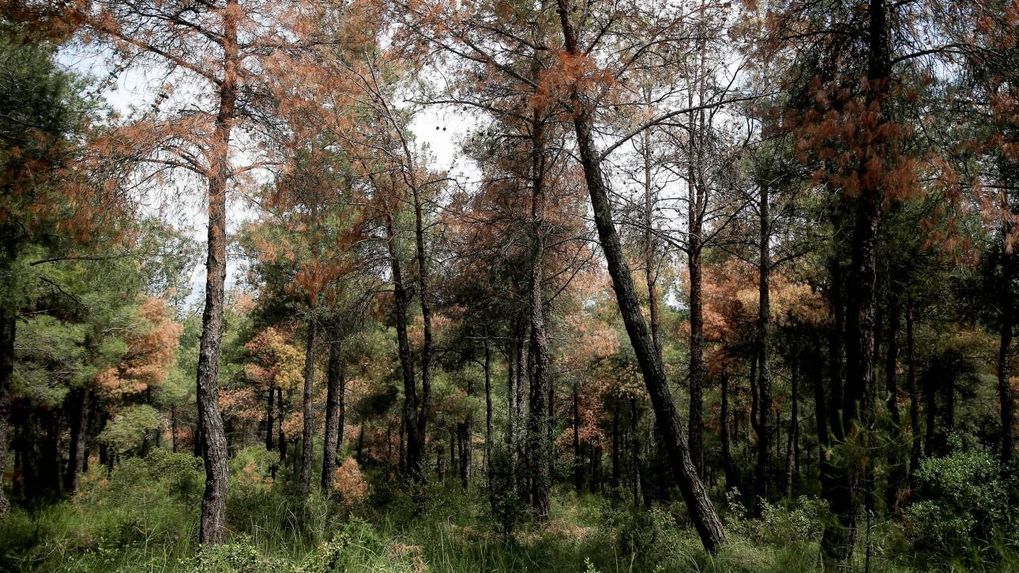
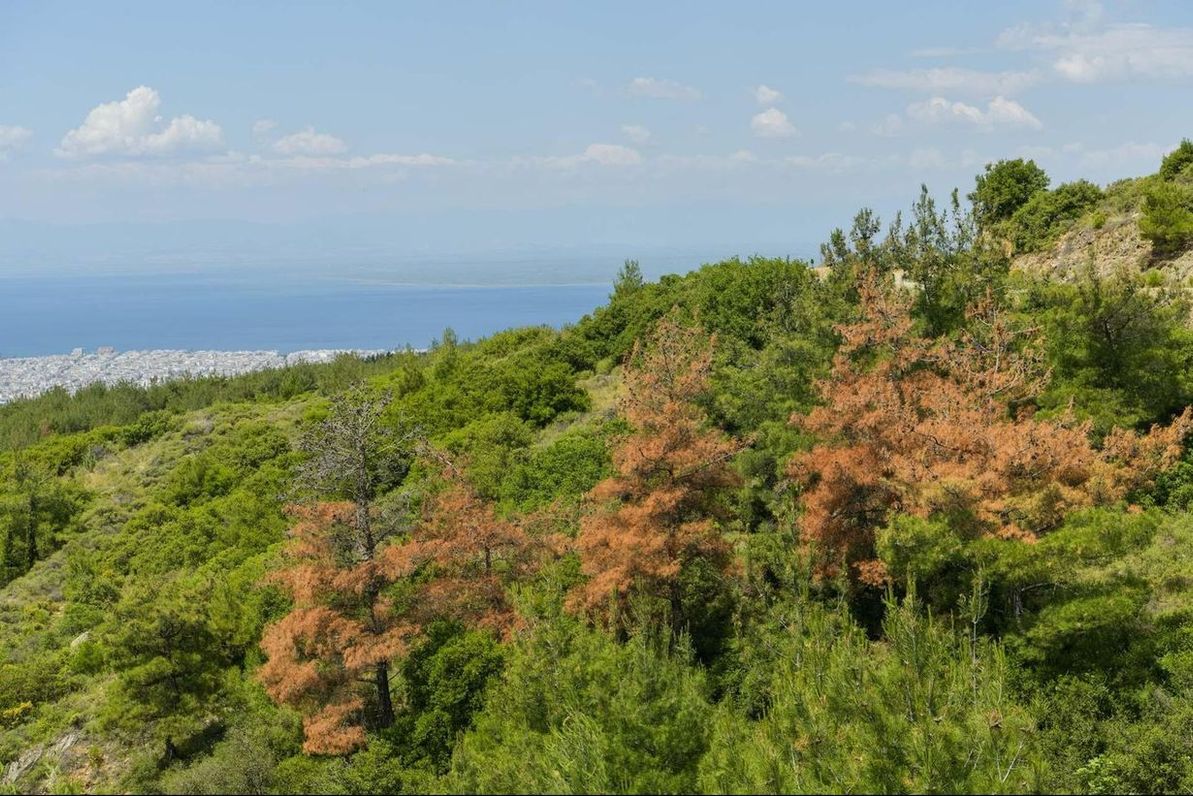
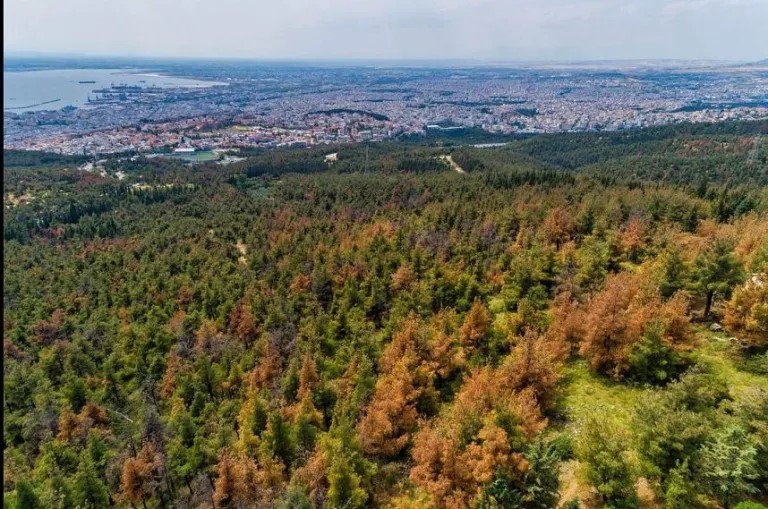
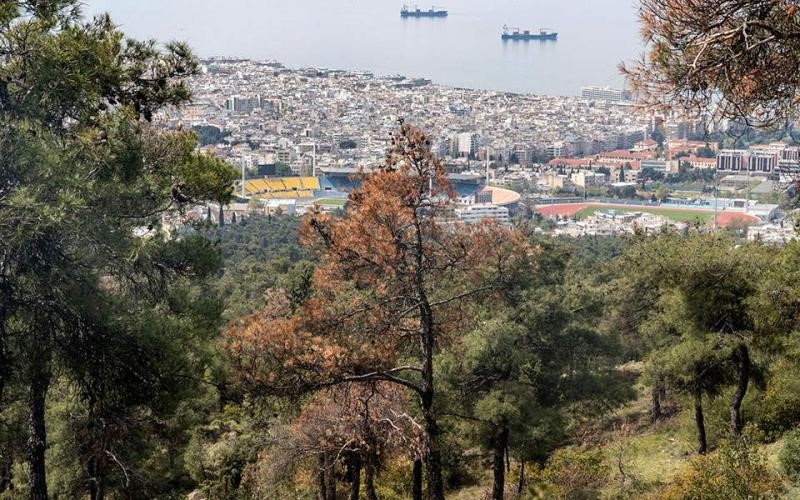
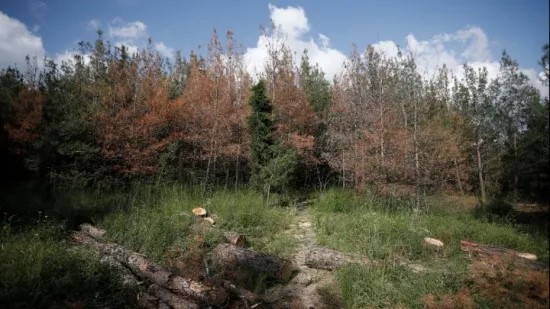
The Thessaloniki forest is located in Italy, to the northeast of the city, and covers a very hilly area of 3,000 hectares. In 1997, the forest was hit by a serious fire that destroyed almost 50% of its total area. Just over 20 years later, the operation requires additional support and assistance to restore and adapt the massif to climate changes. In fact, following droughts, the majority of Calabrian pines have suffered parasitic attacks, causing the massif to wither. Against this backdrop, it is vital to diversify the forest, in particular by planting deciduous trees from the Mediterranean basin. The diversification of stands should make the forest more resistant and resilient to climate change. These operations should also help restore and stimulate biodiversity. Areas of very low density will be worked on and enriched where necessary.
Financer des projets
Agissez pour le climat là où cela compte pour votre entreprise, au plus près de vos territoires et de vos parties prenantes. Choisissez des projets ancrés localement et générez un impact climatique crédible et quantifié.Impact

Climat
Contributes to the mitigation of the greenhouse effect and influences precipitation patterns and the local microclimate.

Biodiversité
Preservation of local biodiversity by providing suitable habitats and resources.

Eau et sols
Influences the quality and integrity of the soil-water system, and the cycling of water and nutrients.

Social et économique
Supports human well-being, by providing resources, income, education, and supporting recreation and heritage.
Contribuer aux Objectifs de Développement Durable (ODD)
Notre savoir-faire repose sur la conception, la mise en œuvre et le monitoring d'écosystèmes terrestres régénératifs avec au cœur la recherche d'optimisation de l’impact.