

Tarapoto - Peru
Assisted natural regeneration
Initiated in 2015, the project developed in the Peruvian region of San Martín is the first project financed by Reforest'Action at the very heart of the Amazon rainforest.
 2023 - 2024
 Financé


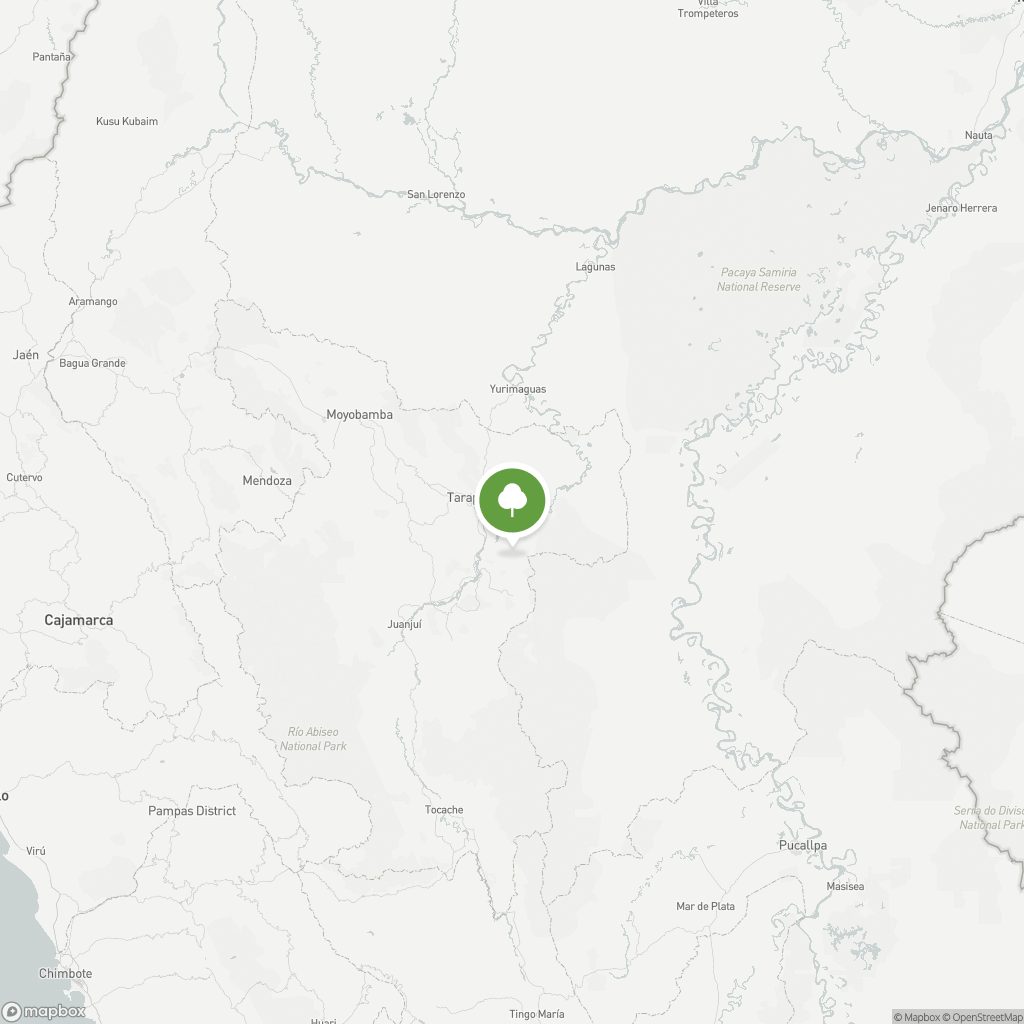
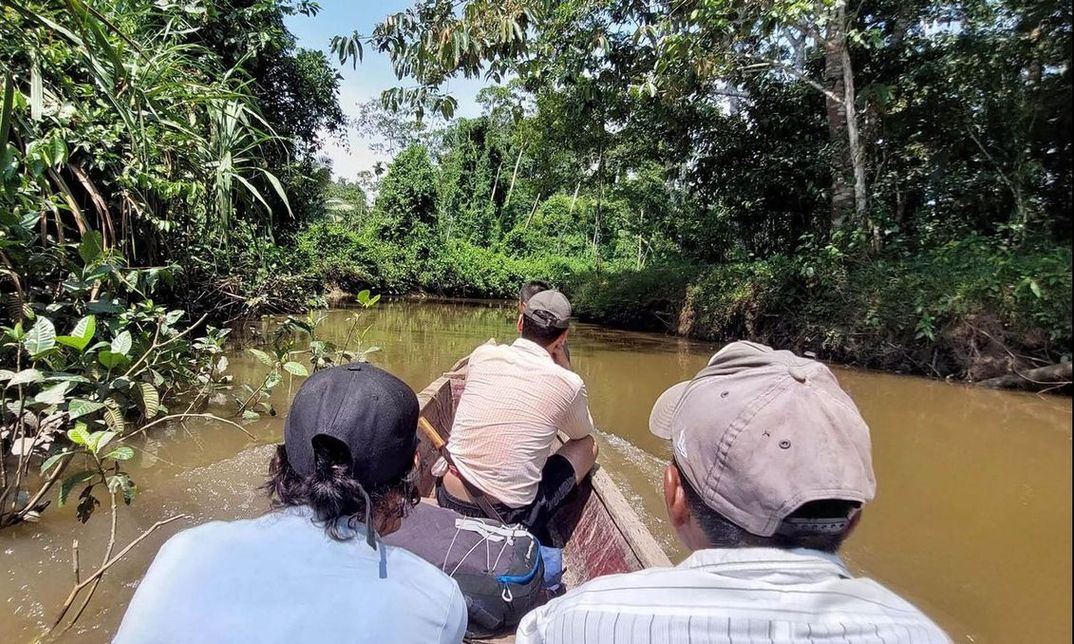
Historically located around the city of Tarapoto, in the Cordillera Escalera Conservation Area, the project has expanded over the years to encompass three northeastern regions in Peru: San Martín, Loreto and Ucayali. Anchored in the upper Amazon, the project area was originally covered by tropical forests and wetlands. Since the late 20th century, the expansion of agricultural programmes for the cultivation of coffee, cocoa, bananas, maize and manioc, as well as the construction of road infrastructure have led to the massive deforestation of primary forests. The families of the Shawi, Awajun and Quechua ethnic groups are increasingly suffering from the disappearance of natural ecosystems: changes in the rainy season, prolonged droughts and lack of water are becoming commonplace.
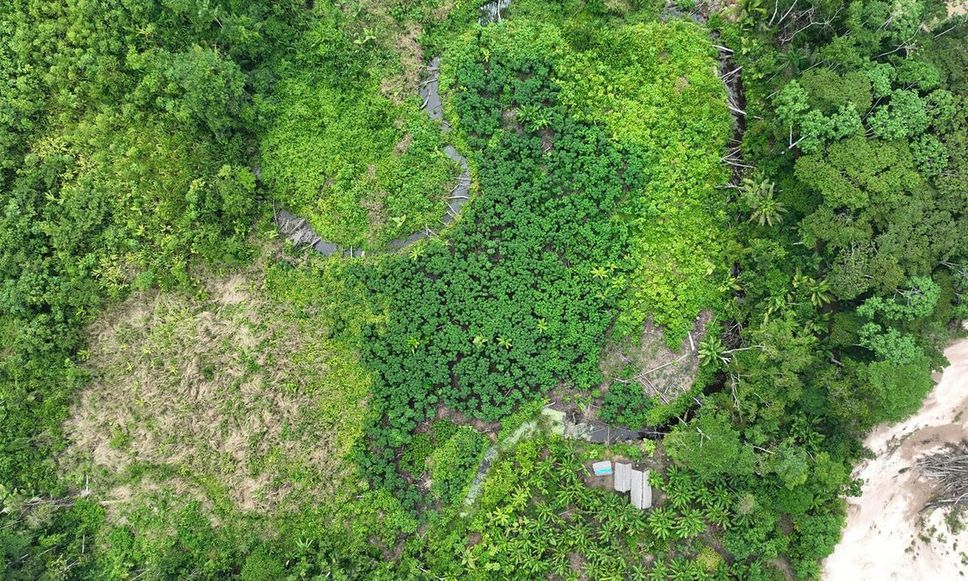
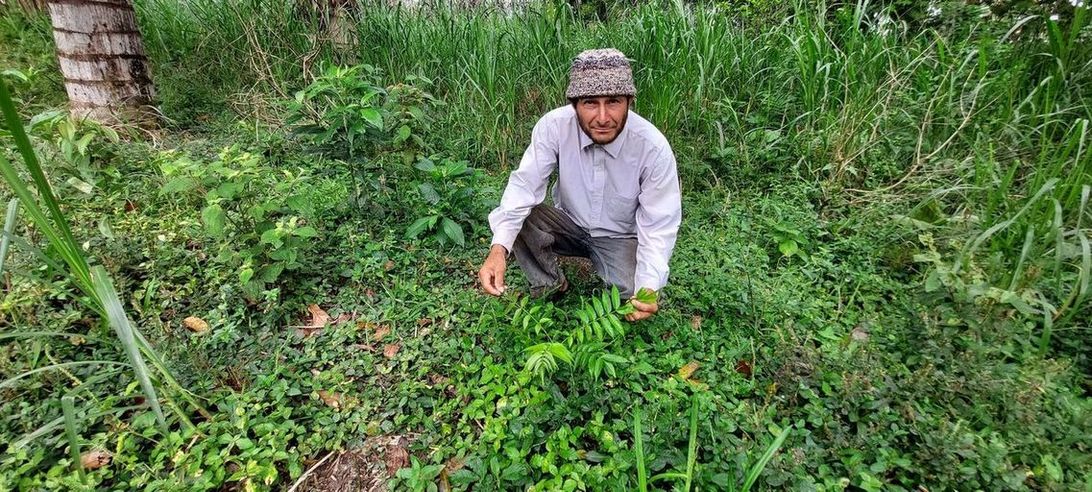
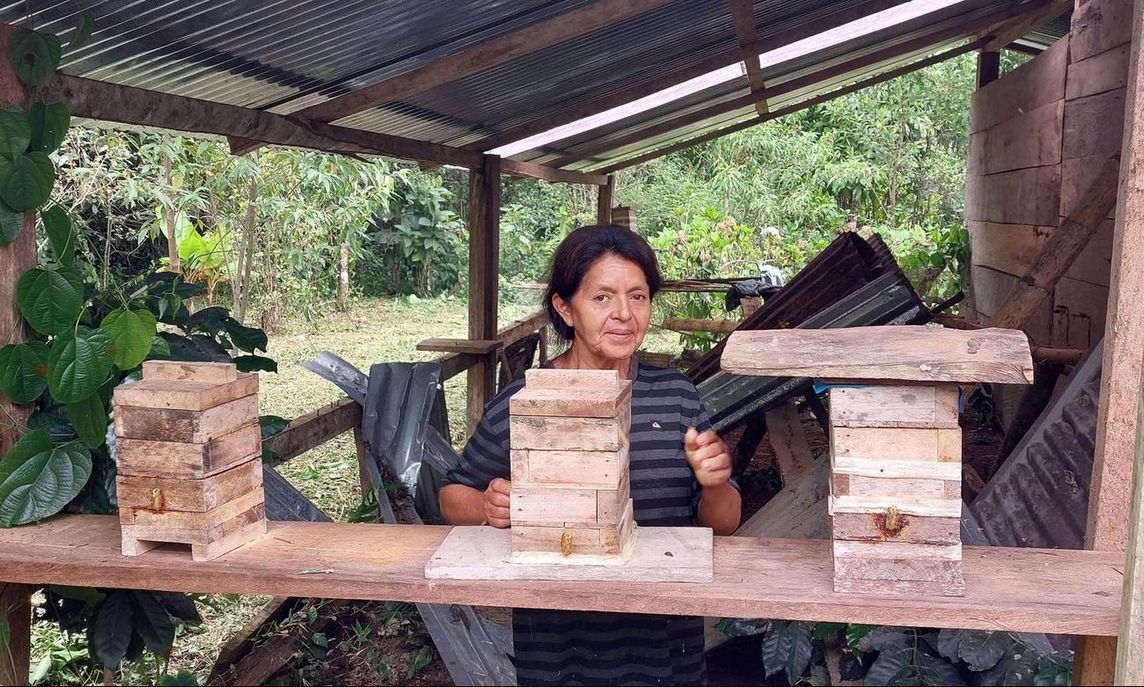
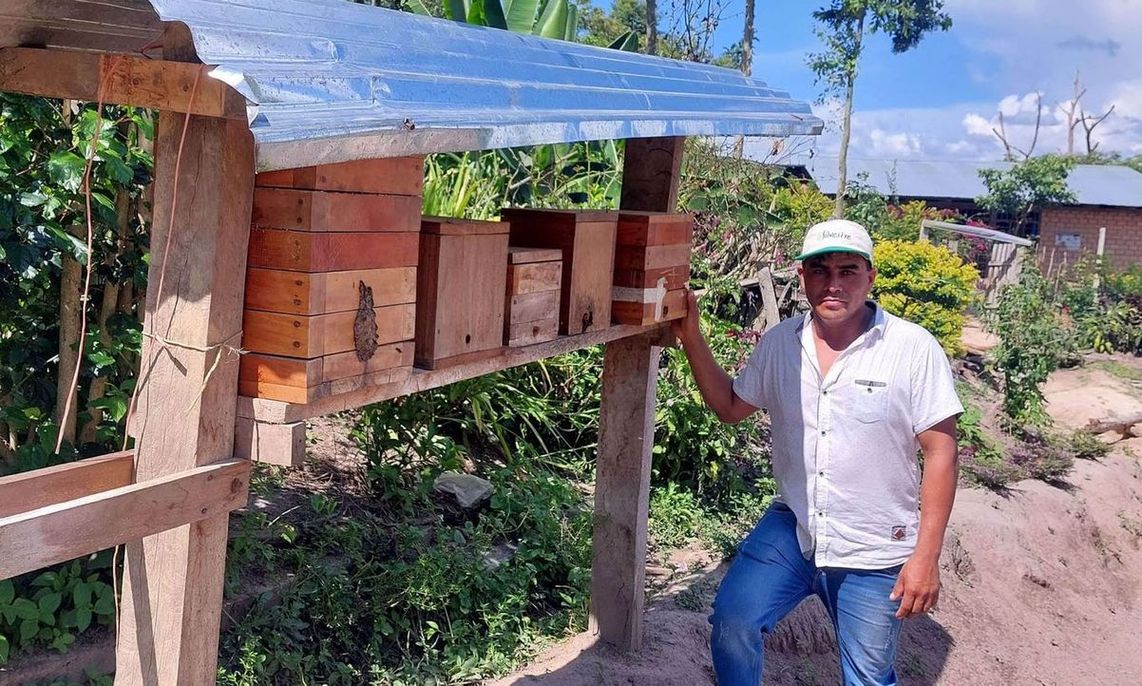
To promote natural regeneration among the communities, farmers receive financial support to be able to protect their plots: fighting pests, controlling cattle access, preventing fires and limiting their spread. In addition to restoring local flora and fauna in a gentle way, this supportive method raises awareness among beneficiaries regarding the need to maintain the forest cover. The aim is also to convince farmers that it is possible to generate a decent income without necessarily cutting down the trees, and that regenerating their natural environment can contribute to a better quality of life. Natural regeneration and economic alternatives are closely linked: supported by the Urku Centre, the beneficiaries have thus managed to diversify the local economy by capitalizing on the ecosystem services provided by the now-grown trees. A variety of lucrative initiatives have emerged, such as beekeeping, the sale of lemons from agroforestry, the manufacture of cosmetics based on essential oils, the production of chocolate and cocoa distillate, medicinal tourism and shamanism based on sacred plants.
Founded in 2004, the Urku Centre, located in Tarapoto, carries out activities to develop Amazonian biodiversity and raise awareness among local communities. Made up of a multidisciplinary team that combines traditional and scientific knowledge, the Urku Centre monitors the production of seedlings in several nurseries, as well as the logistics of the plantations. Alongside local cooperatives, our partner also ensures the recovery and growth of the planted trees.