

Lousada - Portugal
Assisted natural regeneration
The aim is to promote traditional forest species through improvement and conservation work.
 2023 - 2024
 Financé


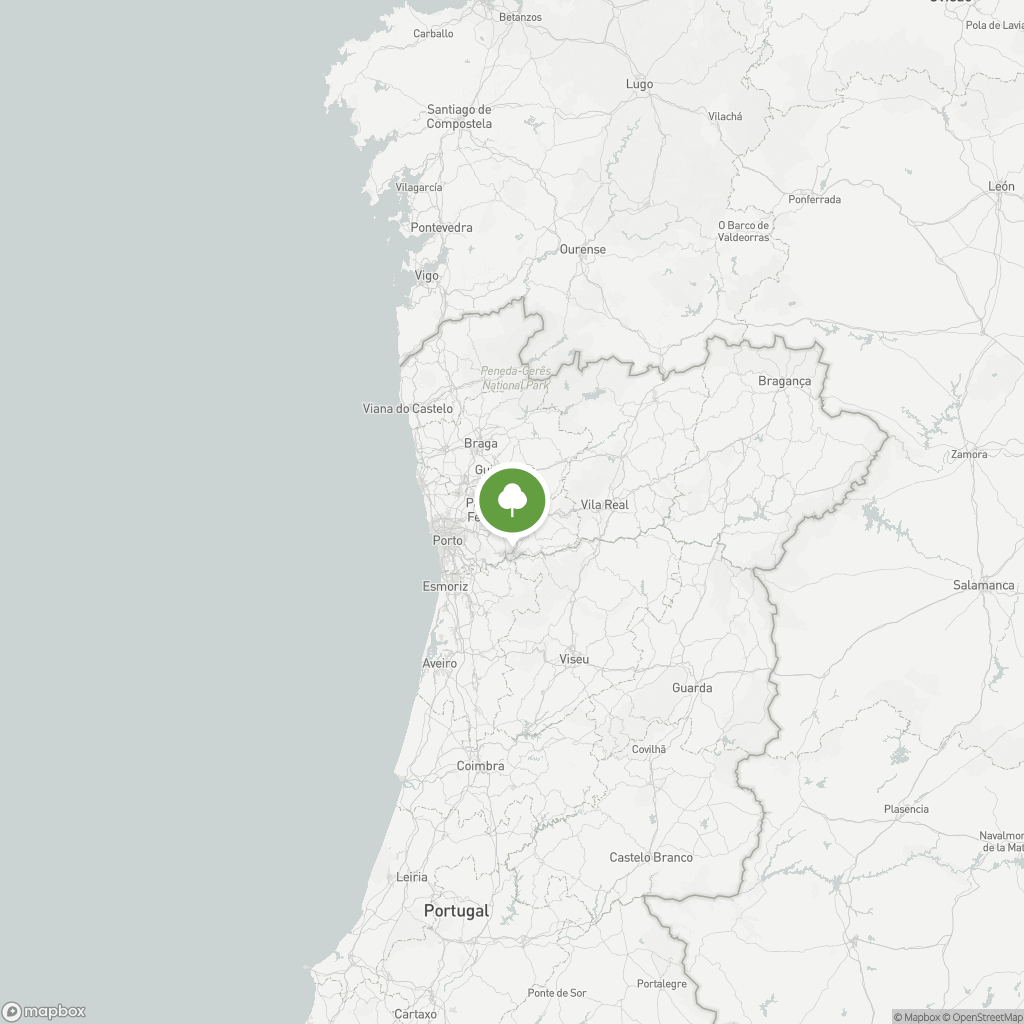
The project is rooted in the Porto district of northwest Portugal, where the climate is characterized by temperate summers and mild winters, under the influence of the Atlantic Ocean. Rainfall is highly irregular, as topography and distance from the sea strongly influence precipitation levels, even over short distances.
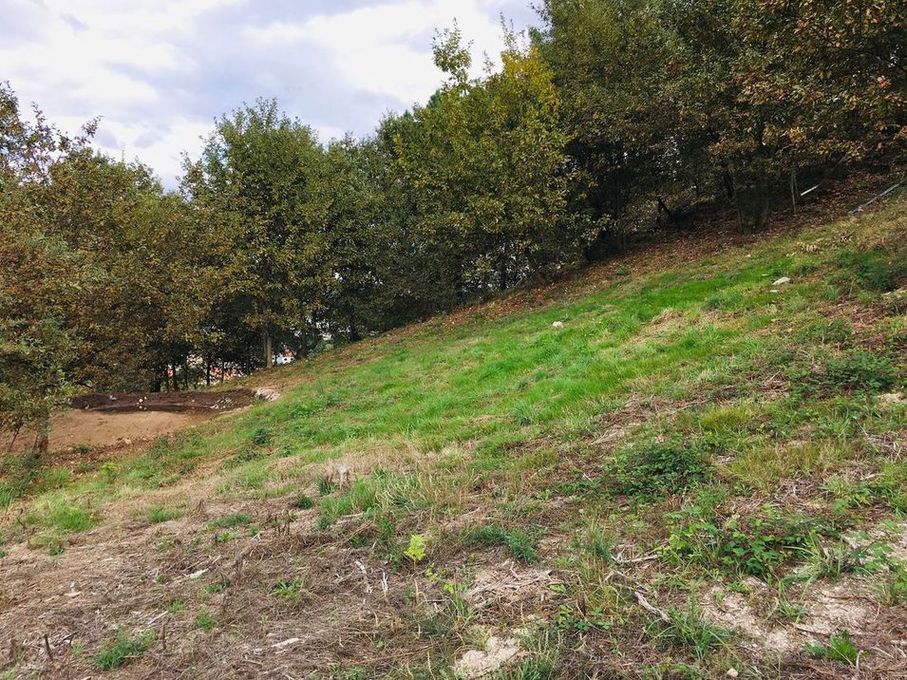
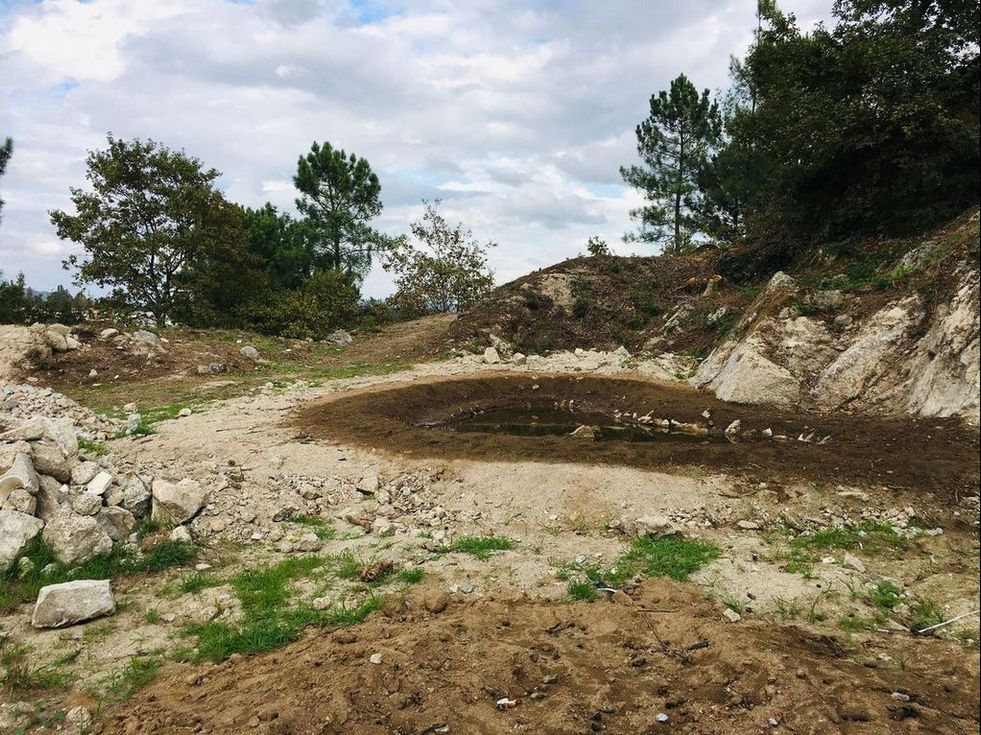
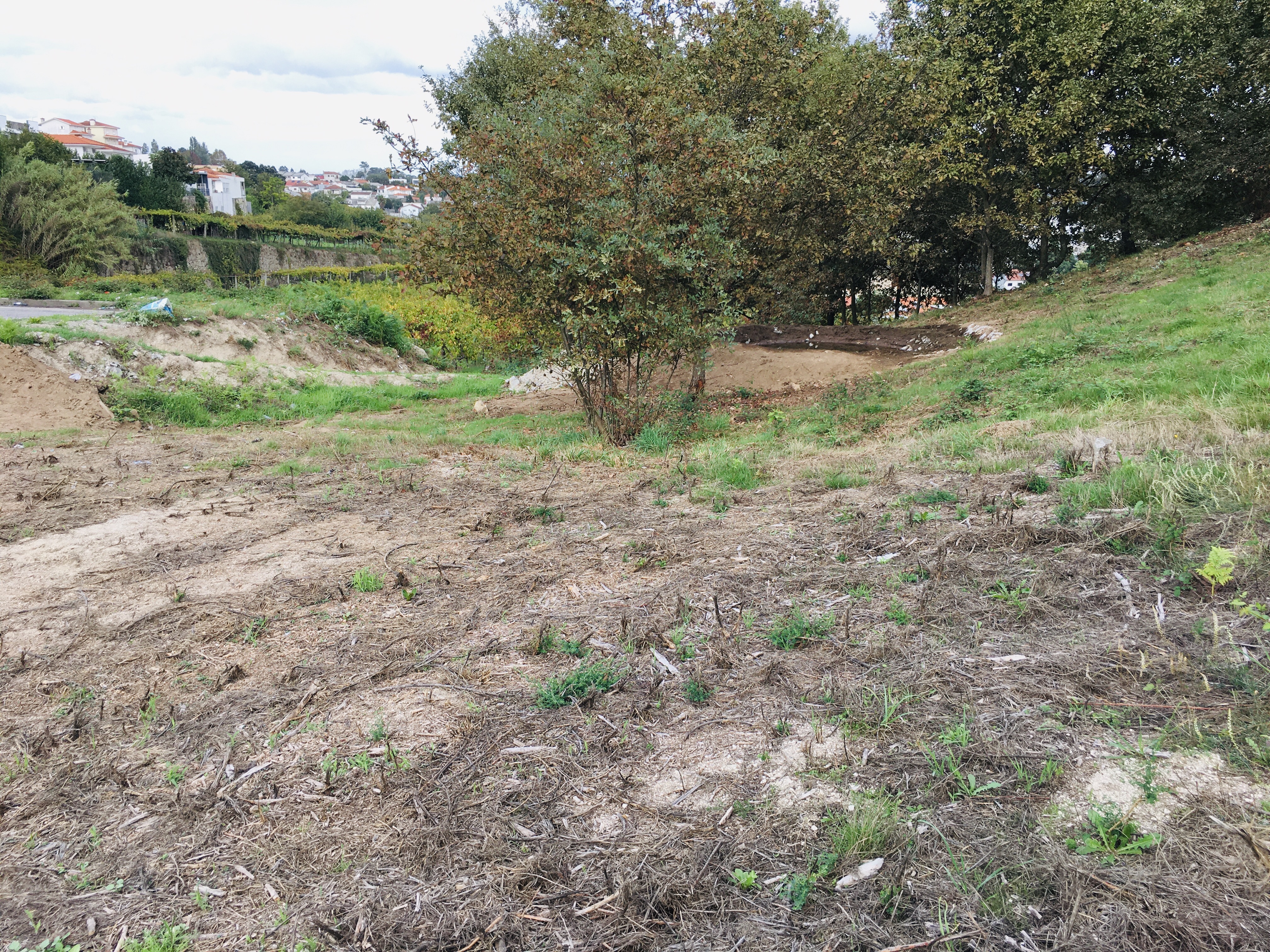
The problem is common to all three plots, but with nuances. The areas are either abandoned or degraded. Oaks, poplars and local shrubs are found scattered or in low densities. This is not enough to ensure the continuity of a forest cover or atmosphere. What's more, some areas have been colonized by an undesirable species, the black locust, classified as invasive by the IUCN.
The diversity of naturally and artificially regenerated species will make these future stands more resistant and resilient to the effects of climate change, such as the risk of fire.
This diversity will also encourage a wide range of wildlife: insects, mammals, birds and birds of prey.
The trees will store CO2 and form part of a multifunctional whole.