

Reforest’Action / Projets / Queige - France
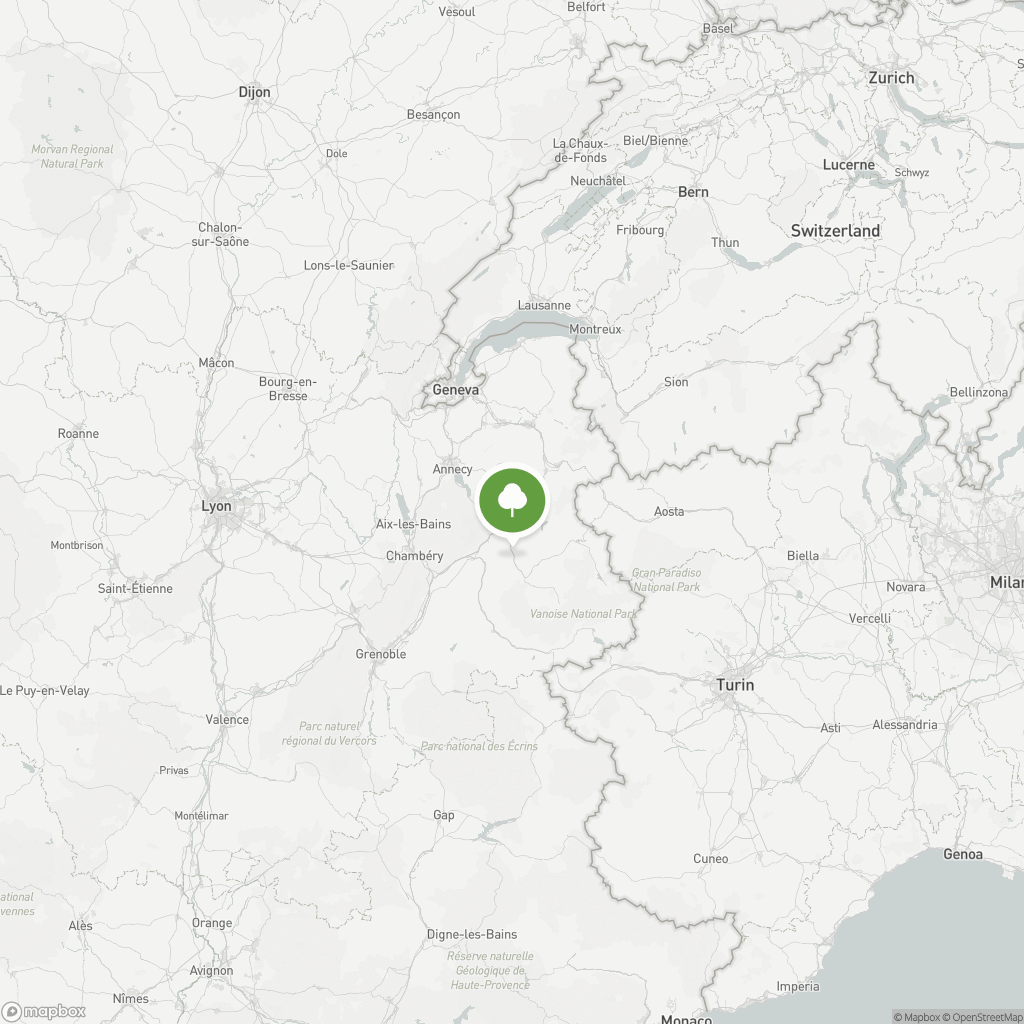
Queige - France
Forest restoration and creation
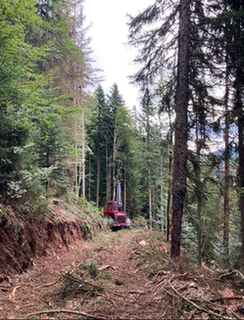
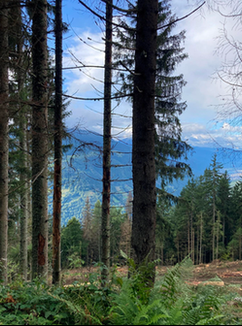
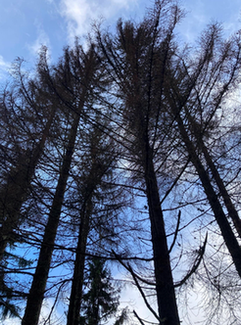
The reforestation project in Queige concerns a one-hectare parcel of land that has been attacked by the bark beetle.
 2024 - 2025
 Financé
Surface

1
haNombre d'arbres

1 200
Résumé du projet
The reforestation project in Queige concerns a one-hectare parcel of land that has been attacked by the bark beetle. The hardwoods still standing will be preserved, and natural regeneration will be encouraged to create a balanced mix with the new Douglas fir, cedar and larch plantations. These resilient species are being introduced to enhance biodiversity and ensure a forest that is more resistant to climatic and biological hazards, while working towards sustainable and balanced management of the forest ecosystem.
Principales essences :
Cedrus atlantica, Pseudotsuga menziesii, Larix decidua

Nombre total d'essences :
3
Certifications et distinctions
Certains de nos projets bénéficient de labels ou de certifications externes reconnues qui concernent par exemple la gestion durable des forêts (PEFC), la séquestration du carbone (VCS, LBC, Bureau Veritas) ou encore les impacts positifs sur la biodiversité et les communautés locales (CCB).
Sur le terrain
Contexte local
The Queige forest, located in the Beaufortain massif, is rich in biodiversity, with a variety of ecosystems made up mainly of coniferous trees such as spruce and deciduous trees. It plays an essential role in protecting against natural hazards (avalanches, landslides) and preserving water resources. However, the effects of climate change, such as increased drought and attacks by parasites such as the bark beetle, are making these stands more fragile. Sustainable management measures, such as reforestation with resistant species and conservation of hardwoods, are needed to maintain biodiversity.
Actions sur le terrain
- Planting;
- Application of TRICO (game repellent);
- Replanting year N+1 if necessary;
- Clearing during the first 3 years.
Impact

CLIMAT
Contributes to the mitigation of the greenhouse effect and influences precipitation patterns and the local microclimate.

BIODIVERSITÉ
Preservation of local biodiversity by providing suitable habitats and resources.

EAU ET SOLS
Influences the quality and integrity of the soil-water system, and the cycling of water and nutrients.

SOCIAL & ÉCONOMIQUE
Supports human well-being, by providing resources, income, education, and supporting recreation and heritage.
Contribuer aux Objectifs de Développement Durable (ODD)
Le projet Queige (France) contribue aux Objectifs de Développement Durable suivants :