


Kuzuko - South Africa
In the Eastern Cape province of South Africa, the Albany thickets are ecosystems that are unique in the world, representing one of the country's greatest reservoirs of floristic diversity and functioning in synergy with the rich fauna they shelter.
 2023 - 2024
 A financer


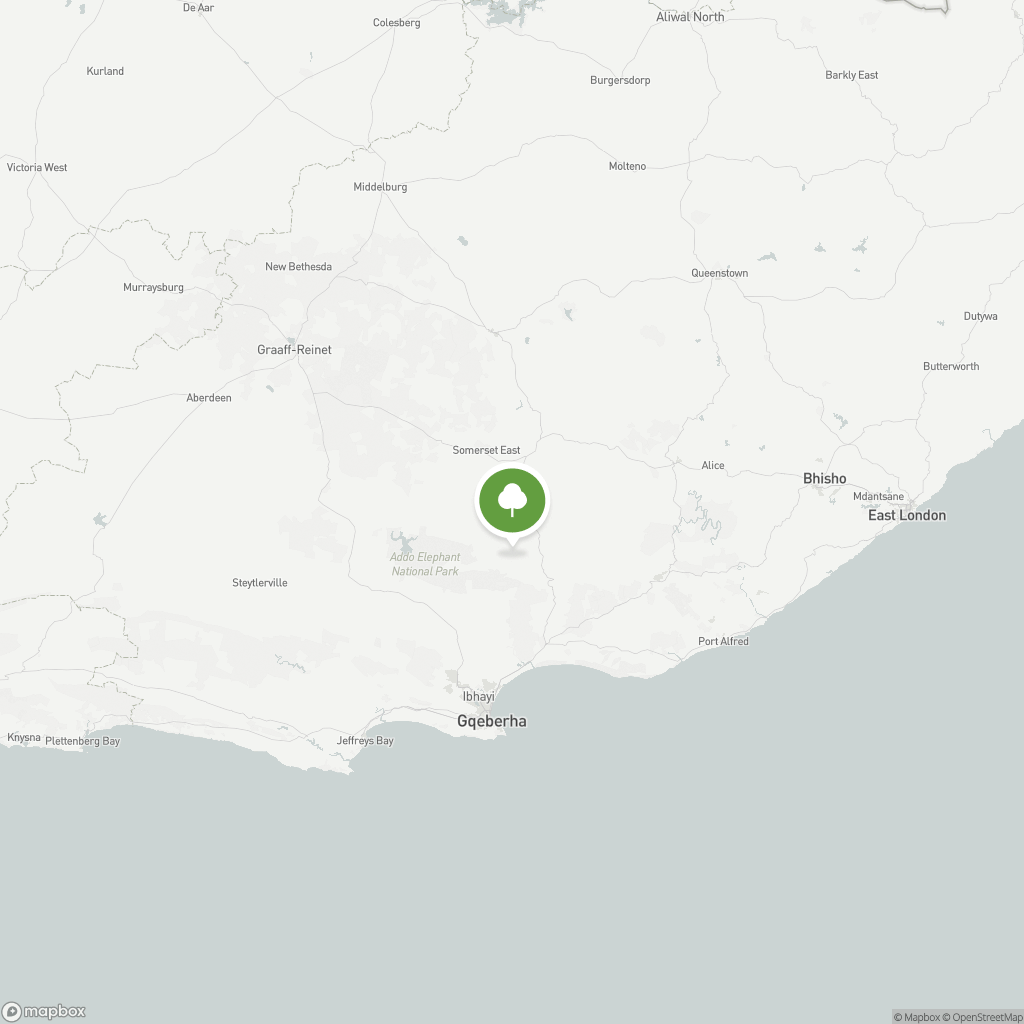


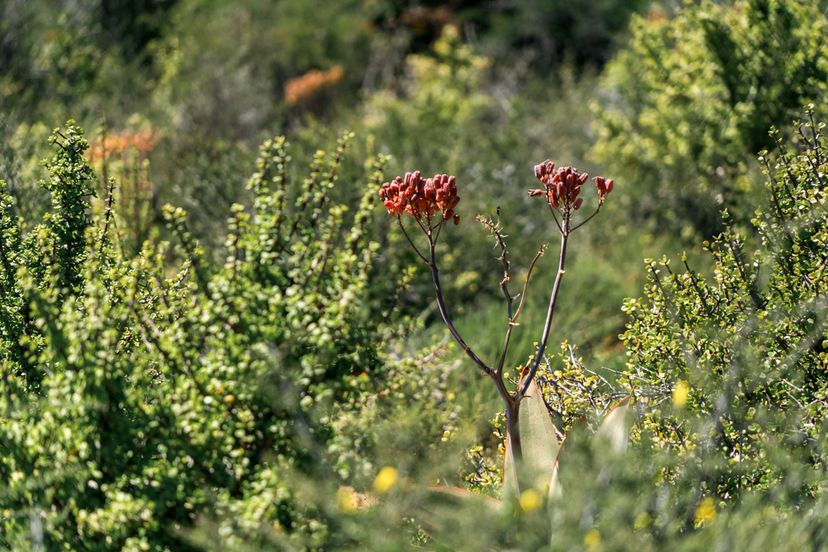
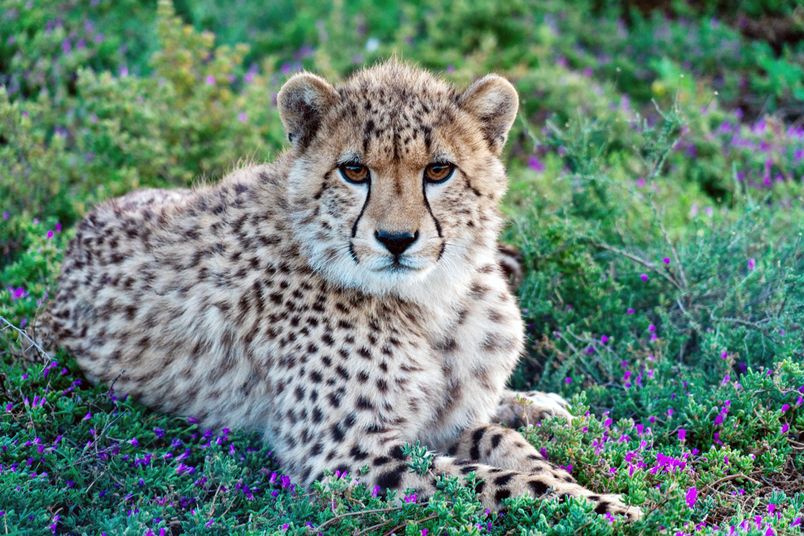
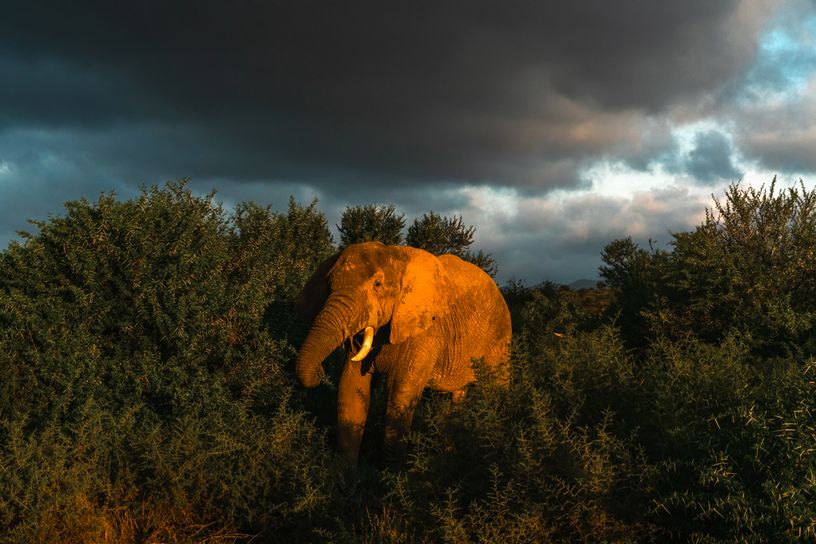
The Kuzuko reserve was established in 2002, covering an area of 15,000 hectares.Thanks to rewilding measures, these former degraded pastures have been transformed into a shelter of animal biodiversity, now home to emblematic species of South Africa's indigenous fauna, including elephants and rhinoceroses, lions and cheetahs. In terms of plant biodiversity, the removal of the goats and respecting the carrying capacity of the ecosystem for two decades were not enough to regenerate the native vegetation. The aim of the project is therefore to restore the original habitat of this extraordinary native fauna and to contribute, on a scale of 5185 hectares, to the reconstitution of the Albany arid thicket biome.
The planting of spekboom is at the heart of the project. Through its ability to influence soil conditions and the water cycle, this engineer species supports a whole host of plant and animal species that depend on it for their development. Its remarkable ability to rapidly fix CO2 also makes this tree an asset for mitigating climate change on a global scale. On the ground, the operations are managed by local experts. Planting of the 25 million seedlings needed to restore 5,185 hectares of degraded thicket began in September 2022 and was completed at the end of December 2023.
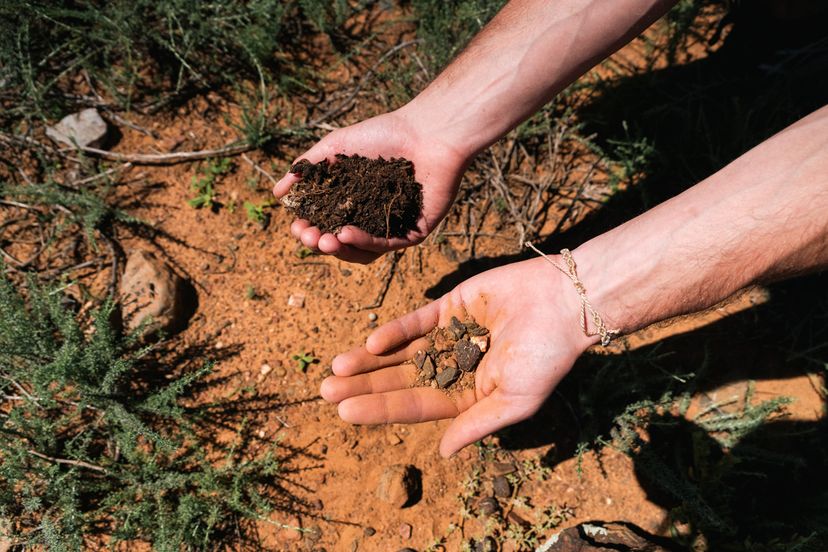
In addition to climate action, the project will generate numerous benefits for the quality of the soil, the development of biodiversity and the living conditions of local communities. In soils that have become cooler, wetter and richer in nutrients thanks to spekboom, plant species typical of subtropical thickets - plants, trees, shrubs, succulents, lianas, etc. - can once again establish themselves thanks to zoochory (dispersal of seeds by animals).
Because of their high biomass, spekboom-dominated thickets are also able to support exceptional densities of mega-herbivores by providing them with a resilient food reservoir. The socio-economic dimension is also an integral part of the project, which contributes directly to reducing local poverty levels by creating jobs in a rural region where unemployment rates are as high as 85% in some of the towns located near the Kuzuko reserve.
The Kuzuko project has employed around 300 people, who were housed and fed throughout the working week in purpose-built facilities.
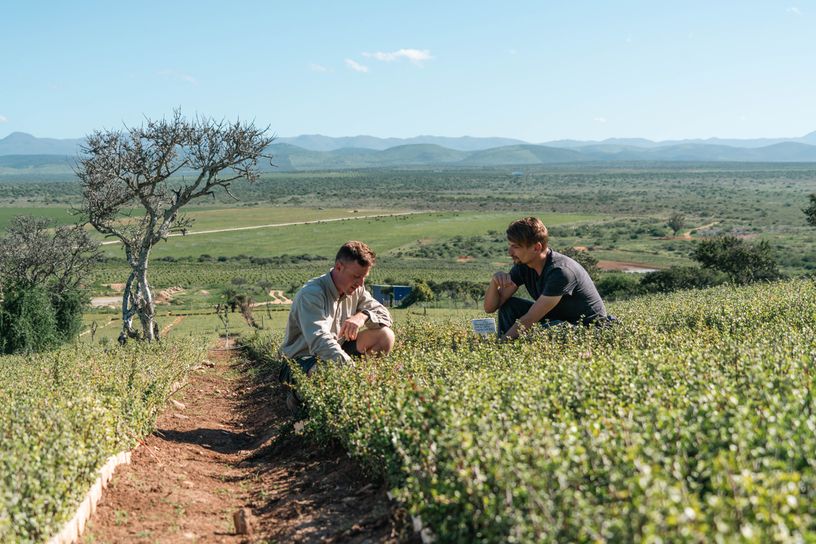
Our project implementer is a South African company whose mission is to restore the degraded thickets biome in the Eastern Cape province. It has been founded by a scientist specializing in ecology and soil science, who has been conducting research on the Albany thickets for the past twenty years to understand the colossal loss of carbon that occurs when these ecosystems disappear.


