

Avé Ga - Togo
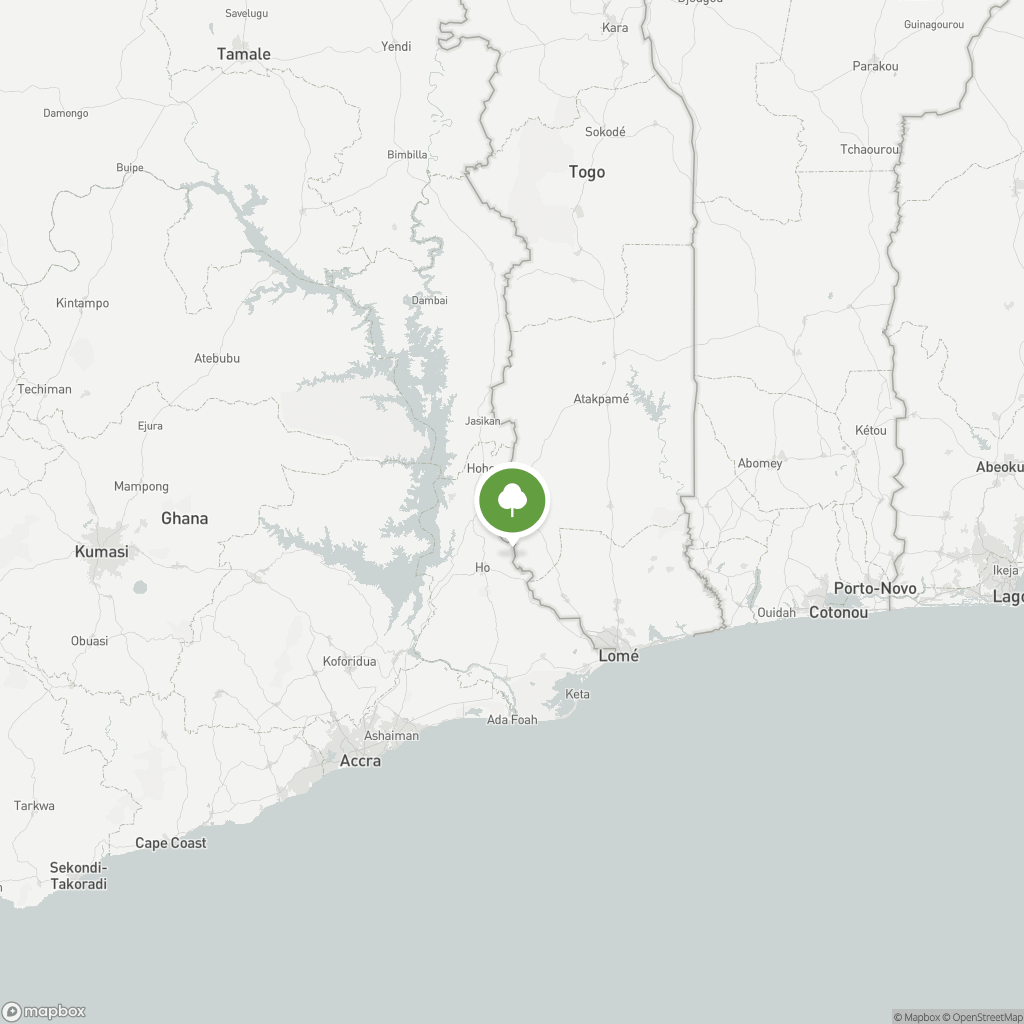
This agroforestry project takes place in Togo, in the prefectures of Blitta (Centrale Region), northern Anié and Akébou (Plateaux Region), southern Agou (Plateaux Region) and Avé (Maritime region), and takes its name from the Ewé languIcage, in which Avé Ga means “great forest”.
 2027 - 2028
 A financer



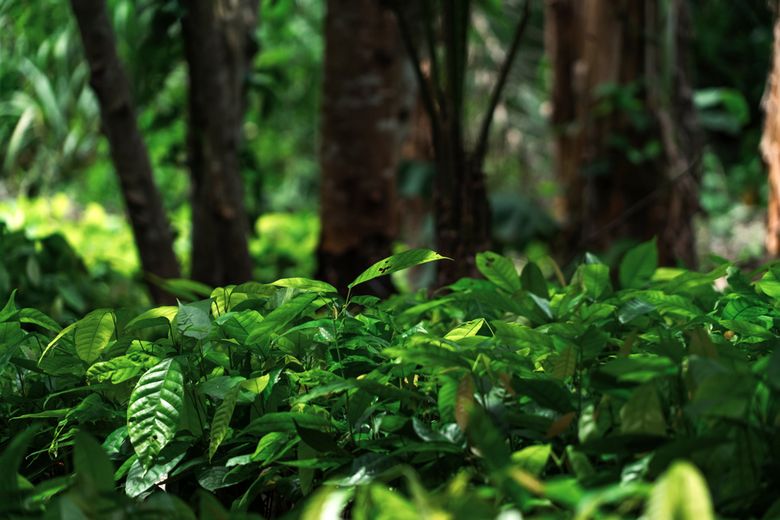
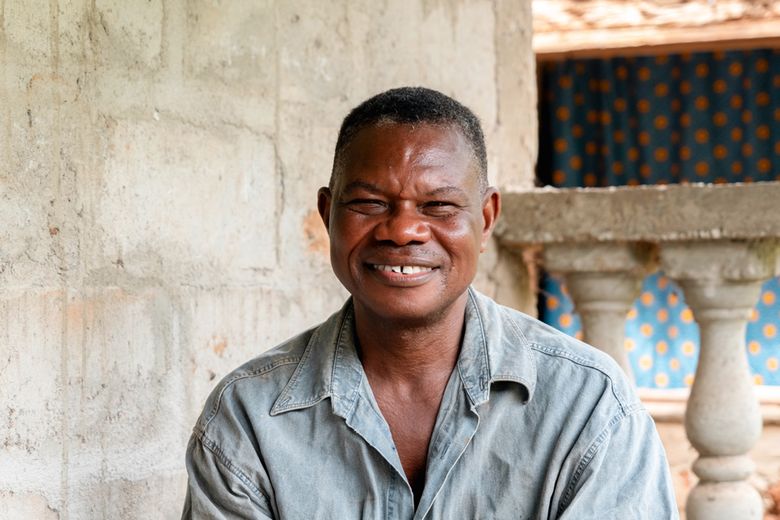
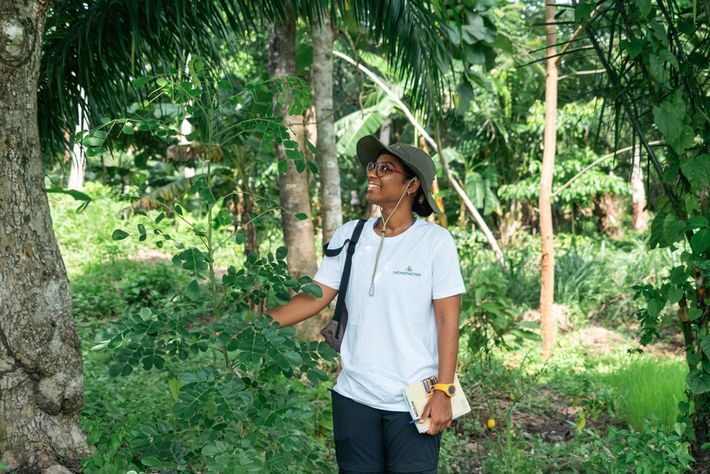
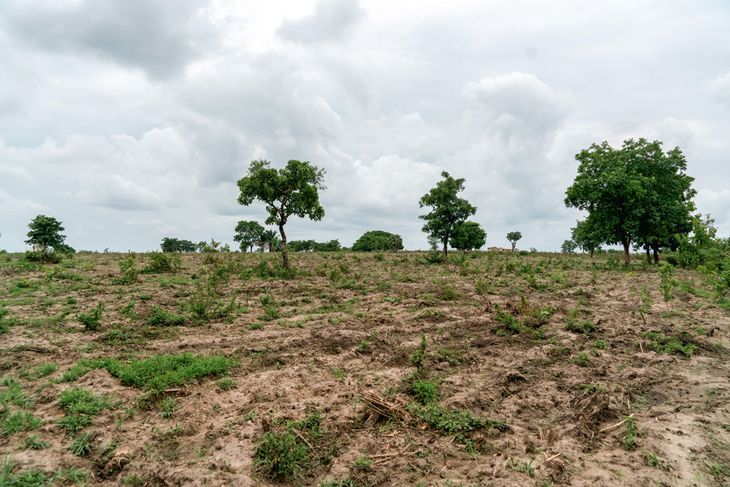
Togo is currently facing a number of environmental problems, notably due to the historical reduction of its forest cover. This is due to the practice of slash-and-burn agriculture, as well as unregulated logging for domestic use or resale. These practices lead to soil erosion and the degradation of arable land, resulting in lower agricultural productivity and an increasingly difficult supply of firewood and timber for the local population.
CARBON REMOVAL POTENTIAL
Avé Ga Agroforestry Project meets the high-quality requirements of the highest international certification standards and targets the sequestration of at least 6,2 million tons of CO2 equivalent over its lifespan. Beyond climate action, the project implies strong core benefits, including strengthening local biodiversity within productive fields and nearby forests, and improving socio-economic conditions within the project area.
FIGHTING LAND DEGRADATION
The planting of 22 tree species - including 10 native species -selected for the creation of agroforestry systems and woodlots aims to reverse the process of land degradation, soil depletion and sterility. Integrating fruit and fertilizer trees into cocoa, coffee, cashew and food crops will enrich the soil, limit soil erosion and provide protective cover for the underlying crops.
The project also aims at restoring biodiversity in the project area, by obtaining at least 5 different tree species on project plots, actively enhancing the occurrence of 4 IUCN threatened tree species and enabling the presence of other non-tree flora and fauna species in the project area.·
BUILDING EMPOWERED COMMUNITIES
The increase in agricultural production will contribute to improve the livelihood and food security of 15,750 families from 127 villages involved in the project activities. Farmers will benefit directly from the diversification of their agricultural production thanks to the creation of local value chains and the sale of tree products through cooperatives.
Farmers will receive comprehensive trainingin tree planting and maintenance, sustainable farming practices, as well as in bush and forest fires prevention and suppression. Capacity-building aims to empower communities and improve their environmental stewardship over the long term.
Besides, guided by traditional local development comities, villages be able to choose between an array of community development projects that contribute to the improvement of their livelihood.