Tarapoto, Peru
In the San Martin region of Peru, Reforest'Action has teamed up with the Urku Center to plant a variety of agroforestry trees in the Amazon rainforest.
 Financed


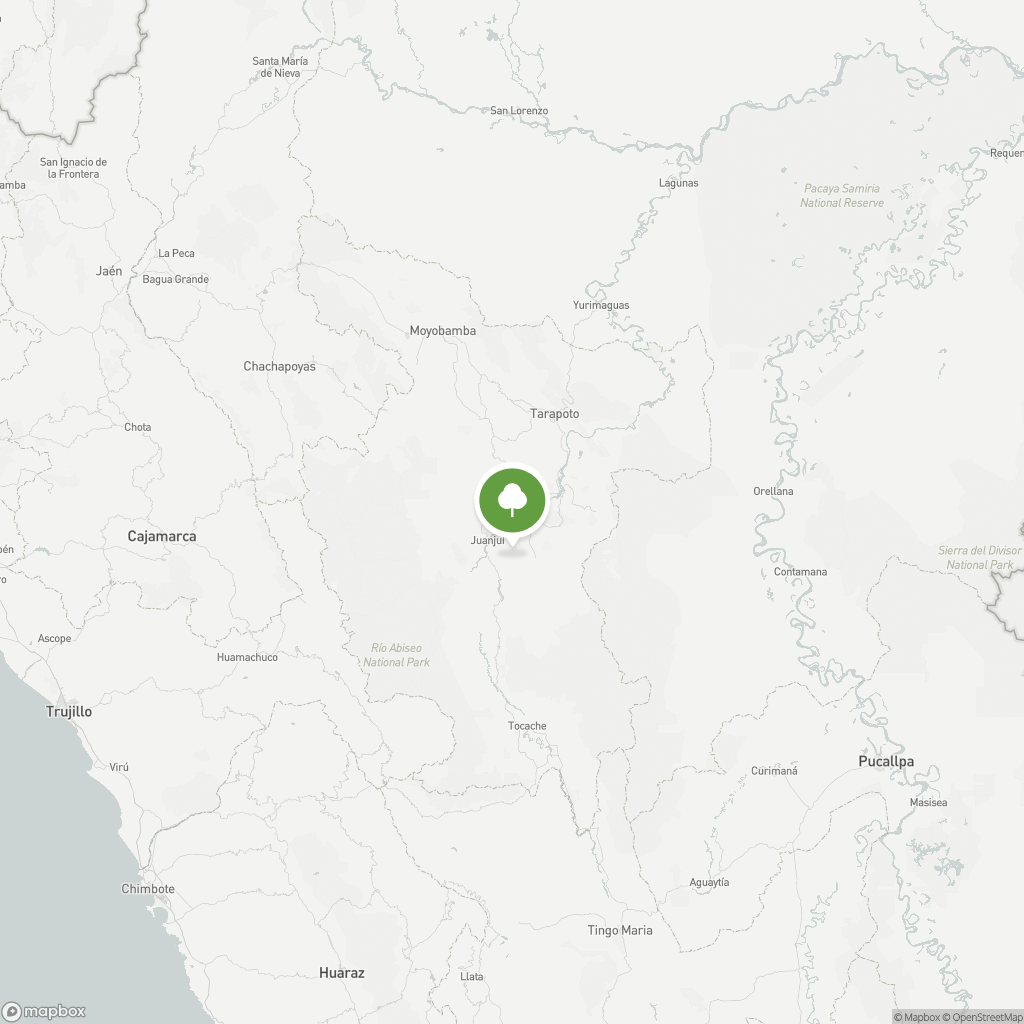
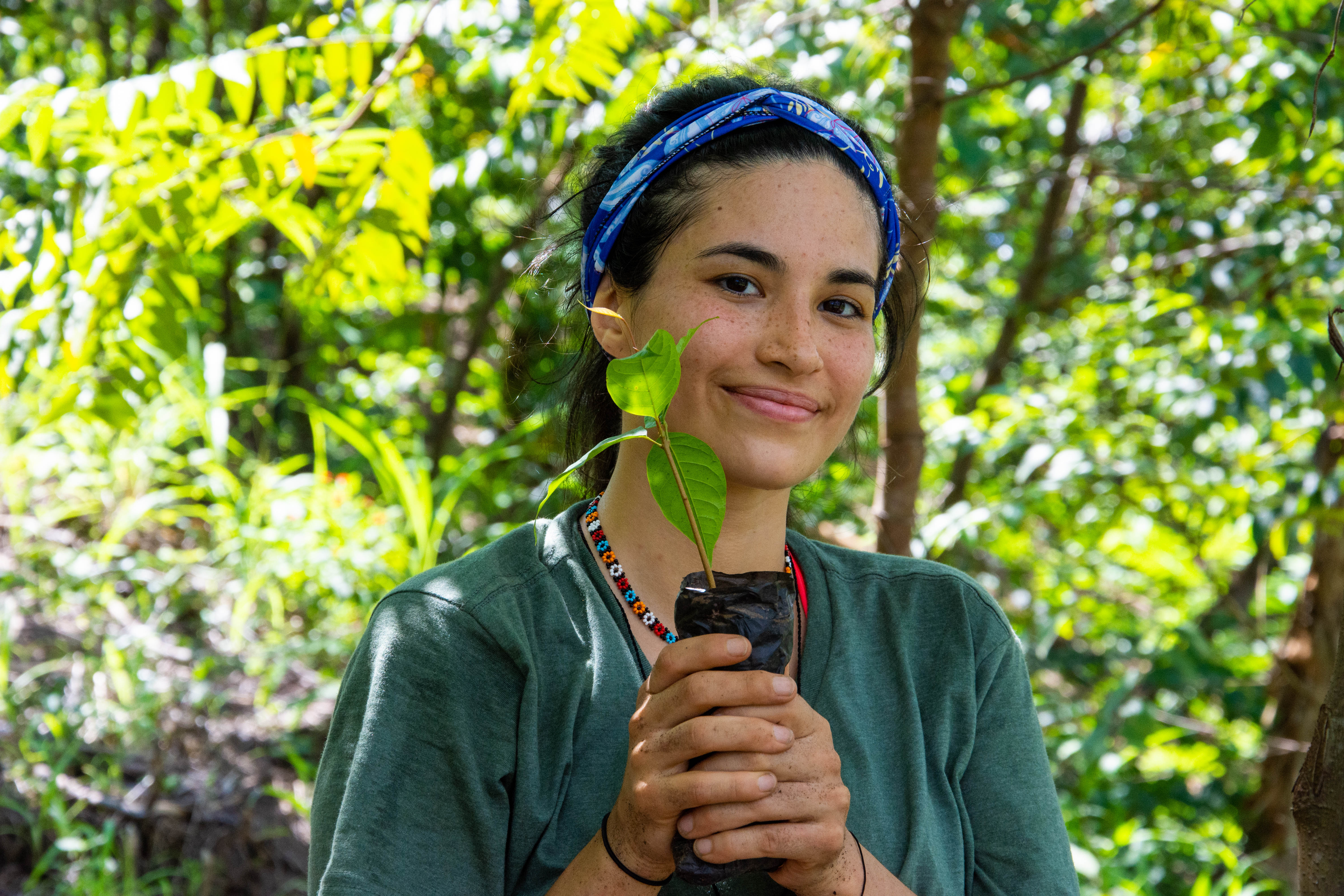
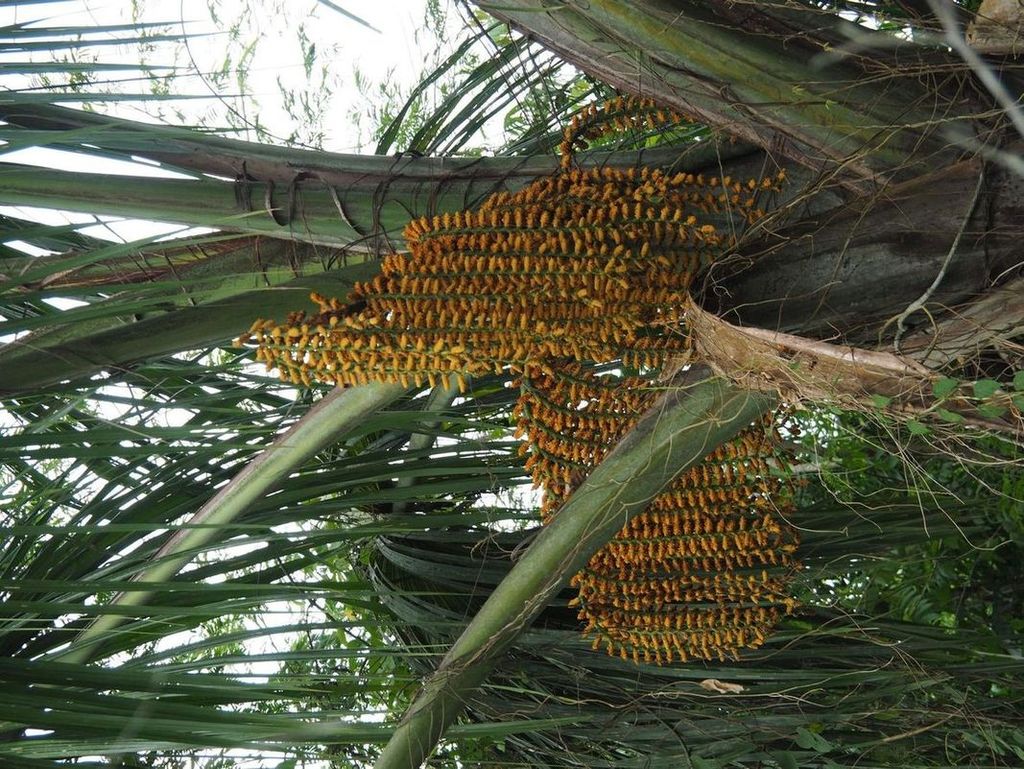
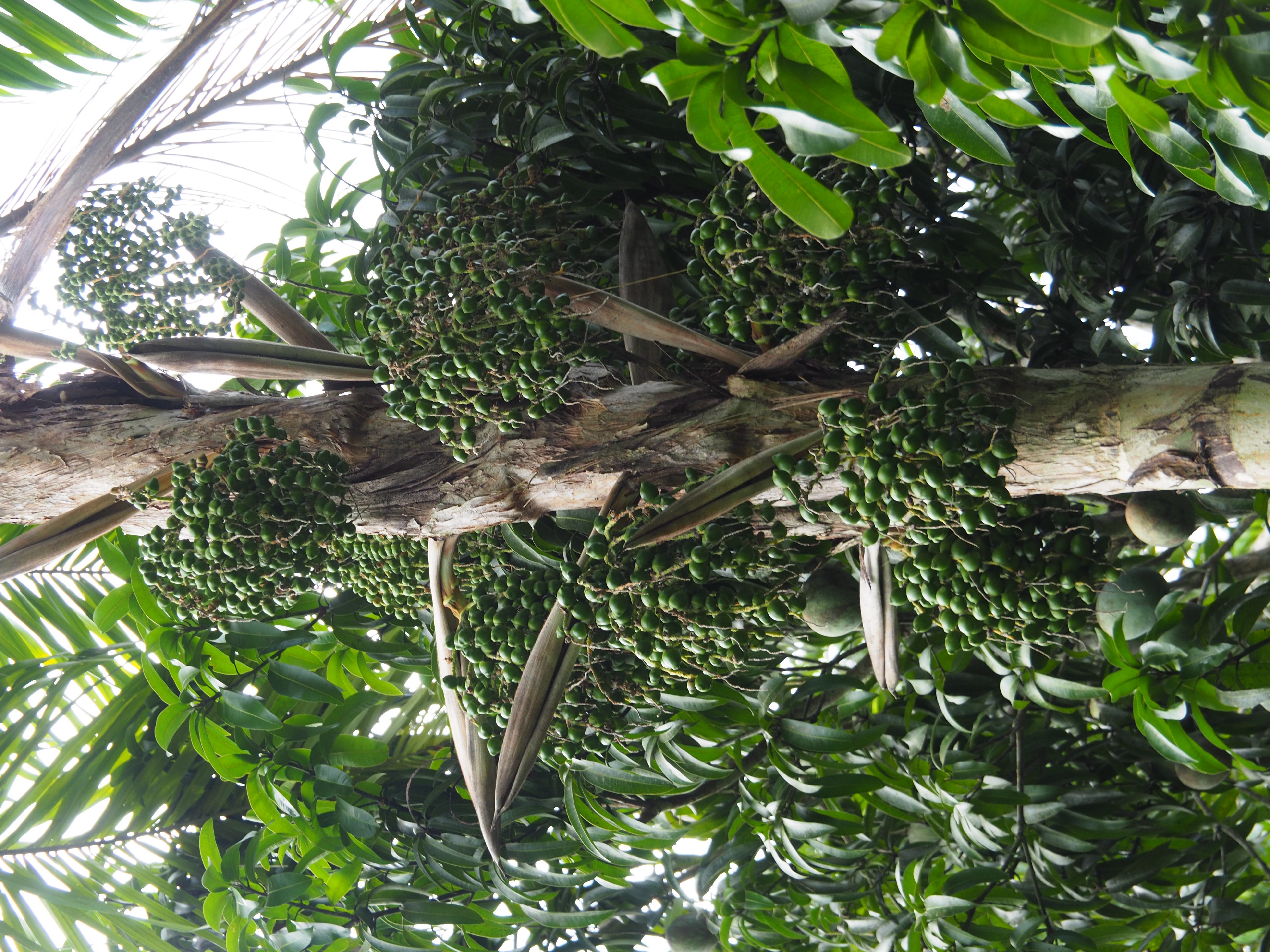
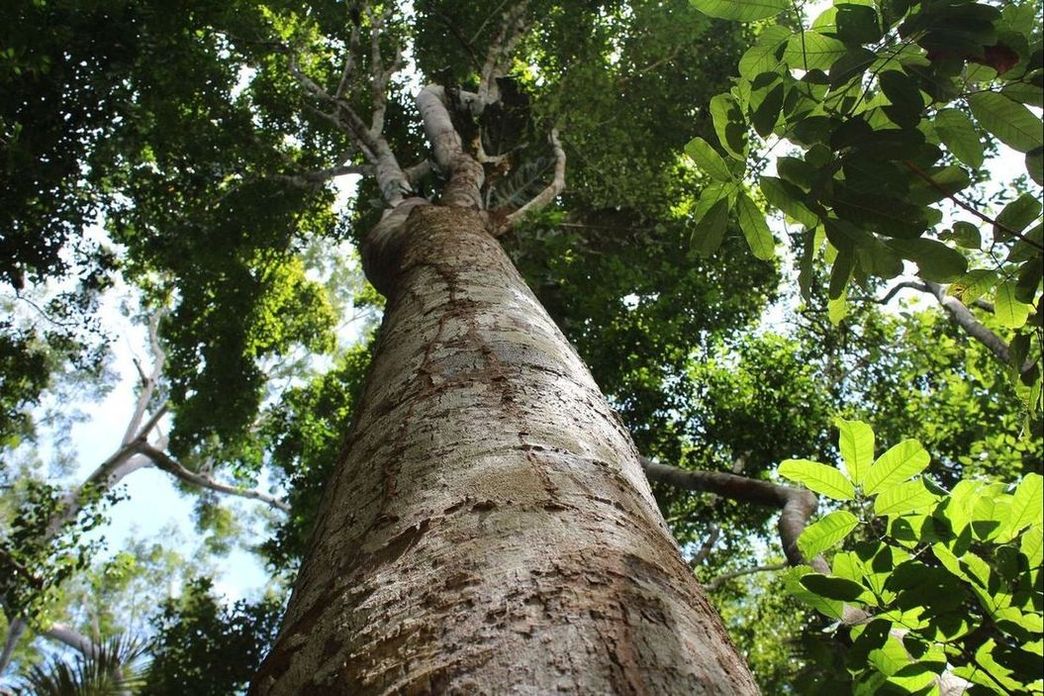
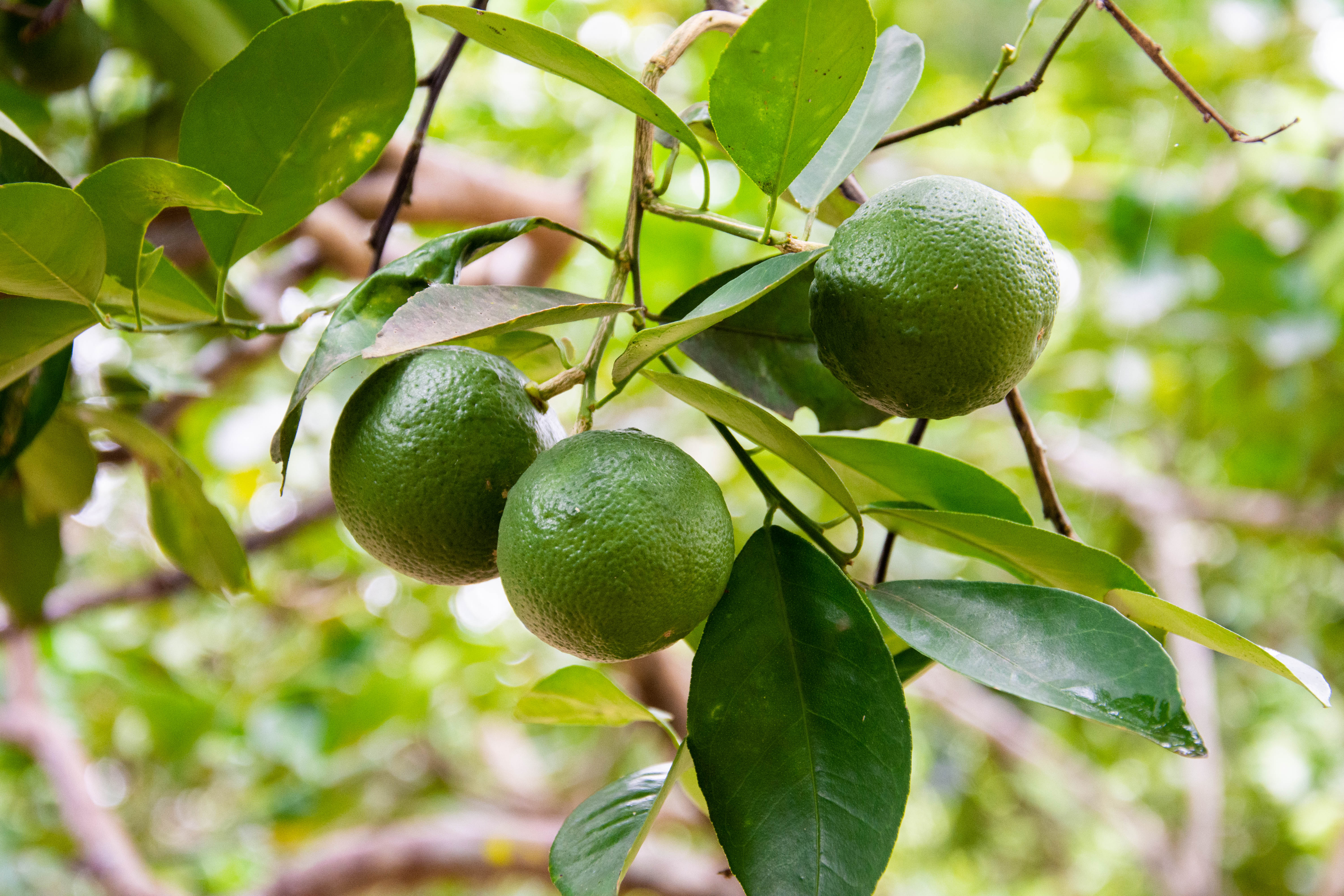
The project is located around the city of Tarapoto, in the Cordillera Escalera Conservation Area. Anchored in the upper Amazon, the project area was originally covered by tropical forests and wetlands. Since the late 20th century, the expansion of agricultural programmes for the cultivation of coffee, cocoa, bananas, maize and manioc, as well as the construction of road infrastructure have led to the massive deforestation of primary forests. Some 1.6 million hectares of primary forest have already been destroyed in the last fifty years. The families of the Shawi, Awajun and Quechua ethnic groups are increasingly suffering from the disappearance of natural ecosystems: changes in the rainy season, prolonged droughts and lack of water are becoming commonplace.
The aim of the project is to create agroforestry systems in multiple localities of the San Martin region with a view to developing the local economy and restoring the degraded ecosystems of the Amazon region. Fruit species are planted by local communities in their crop fields, and the fruit produced is used for personal consumption or local trade. Other fast-growing species can be used to produce wood and rubber, without local people needing to harvest directly from the Amazon rainforest. In this way, agroforestry helps to diversify farmers' incomes, as well as maintaining and diversifying agricultural production. Other environmental benefits are also worth noting. The high-growing species planted will provide shade for underlying crops and protect them from the wind. These trees will also enrich cultivated soils by capturing nitrogen and essential plant nutrients from the atmosphere. Last but not least, reforestation will enhance the region's eroded biodiversity. In particular, monkeys, frogs and turtles will once again find shelter in these ecosystems. Overall, the local population will be made aware of the need to protect their environment and maintain the planted trees over the long term, thanks to training in sustainable agriculture given by the Urku Centre.
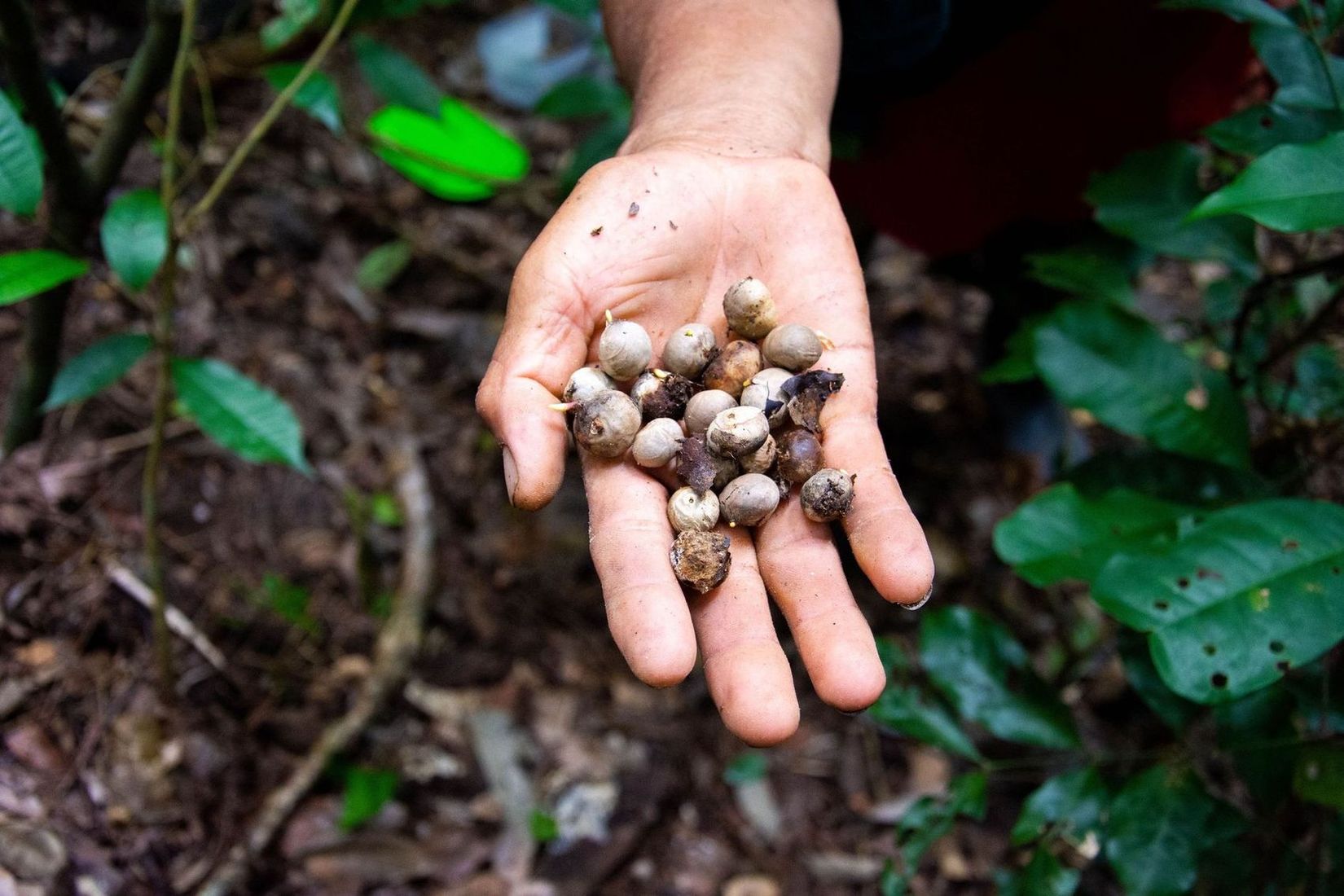

Founded in 2004, the Urku Centre, located in Tarapoto, carries out activities to develop Amazonian biodiversity and raise awareness among local communities. Made up of a multidisciplinary team that combines traditional and scientific knowledge, the Urku Centre monitors the production of seedlings in several nurseries, as well as the logistics of the plantations. Alongside local cooperatives, our partner also ensures the recovery and growth of the planted trees.